
February 21, 2026
ADP Applicant Tracking System: Complete 2026 Guide

The recruitment landscape continues to evolve rapidly in 2026, with organizations seeking seamless integrations between their hiring processes and existing HR infrastructure. For companies already using ADP for payroll and workforce management, the question of applicant tracking becomes critical. The adp applicant tracking system ecosystem offers multiple solutions designed to bridge the gap between talent acquisition and employee lifecycle management, creating a unified approach to workforce planning.
Understanding how these systems work within the ADP environment can dramatically reduce administrative overhead while improving candidate experience. Organizations leveraging proper integration between their ATS and payroll systems report significant time savings during onboarding and fewer data entry errors that historically plagued HR departments.
Understanding the ADP Applicant Tracking System Ecosystem
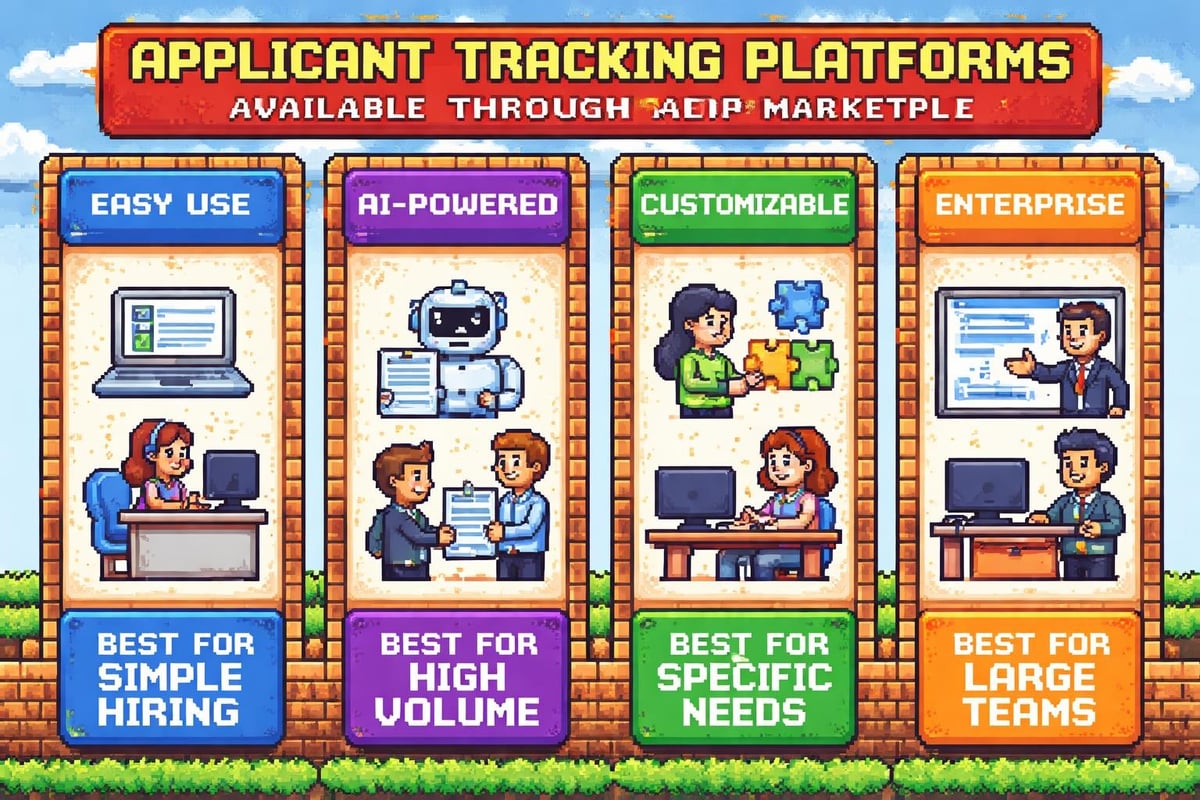
ADP itself does not manufacture a proprietary applicant tracking system in the traditional sense. Instead, the company has developed a robust marketplace where third party recruiting platforms integrate directly with ADP Workforce Now and other ADP products. This approach allows businesses to select specialized recruitment software while maintaining seamless data flow into their existing payroll and HR systems.
The marketplace model provides distinct advantages. Organizations can choose recruitment tools that match their specific industry needs, company size, and hiring volume without being locked into a one size fits all solution. The ClearCompany Applicant Tracking System represents one such integration, offering AI enhanced features alongside direct connectivity to ADP's payroll infrastructure.
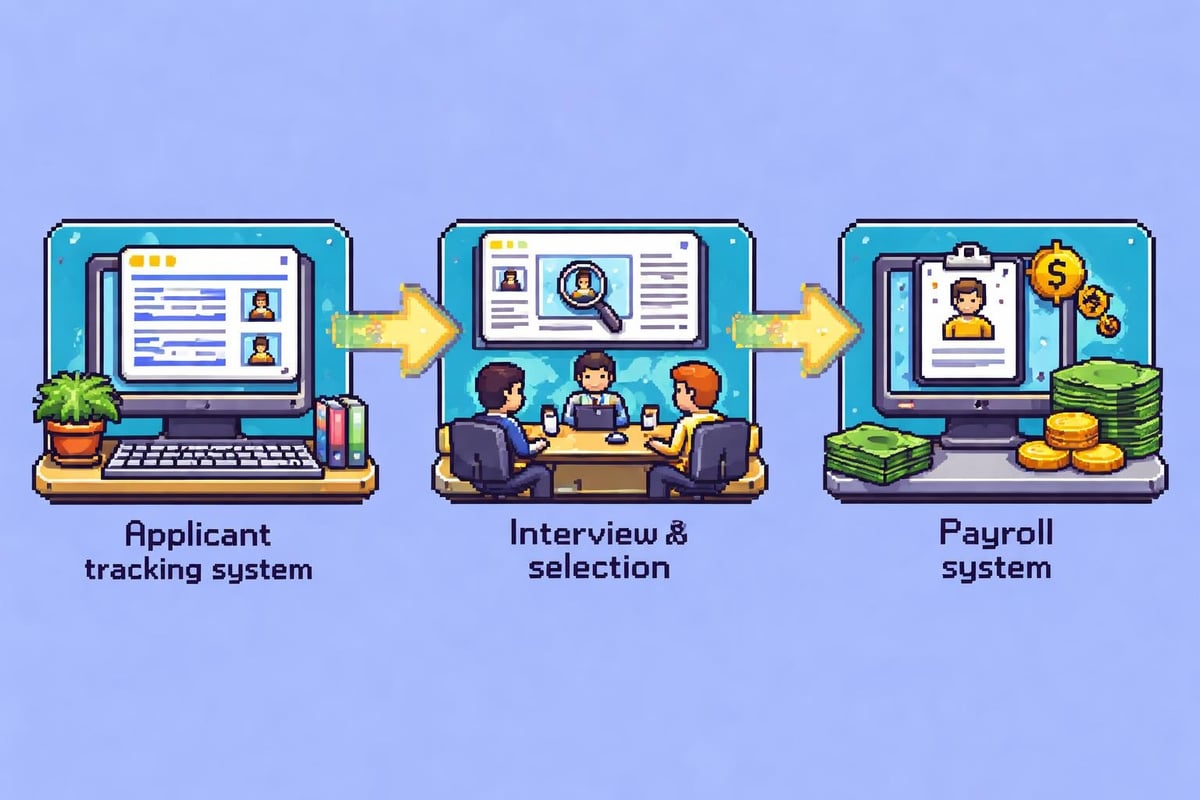
When evaluating an adp applicant tracking system solution, companies should consider how candidate data flows from initial application through offer acceptance and ultimately into the employee database. The best integrations eliminate duplicate data entry entirely, automatically populating new hire information directly into payroll systems once candidates accept employment offers.
Key Features Within ADP Integrated Tracking Solutions
Modern applicant tracking platforms that connect with ADP environments typically include several core capabilities that distinguish them from standalone recruiting software. Job posting distribution stands as a fundamental feature, enabling recruiters to publish openings across multiple job boards and social media platforms from a single interface.
Resume parsing technology has advanced considerably, with many systems now incorporating artificial intelligence to extract relevant qualifications and experience automatically. This capability mirrors the approach used by cv screening software designed specifically for high volume recruiting environments where manual review becomes impractical.
Collaborative hiring tools allow multiple stakeholders to review candidates, share feedback, and make collective decisions within the platform. Interview scheduling automation reduces the back and forth communication that traditionally delays the hiring process, while mobile optimization ensures recruiters and hiring managers can review candidates and provide feedback from any location.
Compliance tracking functionality helps organizations maintain detailed records of their hiring processes, critical for demonstrating fair employment practices and meeting regulatory requirements. The AcquireTM talent management system emphasizes these compliance features alongside its fully branded career center capabilities.
Reporting and analytics deliver insights into recruitment metrics including time to fill, cost per hire, source effectiveness, and candidate pipeline health. These data driven approaches align with broader recruitment automation trends transforming how organizations approach talent acquisition in 2026.
Integration Benefits for Payroll and HR Operations
The primary value proposition of an adp applicant tracking system integration centers on operational efficiency gained through connected systems. When candidate information transfers automatically from the ATS to ADP upon hire, HR teams eliminate hours of manual data entry previously required for each new employee.
Accuracy improvements represent another significant benefit. Human error during manual data transfer can result in incorrect salary information, wrong tax withholdings, or missing benefit elections. Automated integration reduces these risks substantially, ensuring the information collected during recruiting flows correctly into payroll systems.
Onboarding acceleration becomes possible when new hire paperwork initiates automatically based on offer acceptance within the tracking system. Forms populate with information already collected during the application process, creating a smoother experience for incoming employees who appreciate not having to provide the same details multiple times.
Budget management improves when recruiting and payroll systems share data. Organizations gain visibility into projected payroll increases based on pending offers and can forecast workforce costs more accurately. This financial planning capability proves particularly valuable for growing companies managing rapid headcount expansion.
Popular ADP Marketplace Tracking Solutions
Several applicant tracking platforms have established strong reputations within the ADP ecosystem through reliable integrations and user friendly interfaces. ApplicantStack Recruit & Onboard receives consistent praise for affordability and ease of use, making it particularly attractive for small to midsize businesses entering the ATS market for the first time.
JazzHR represents another frequently chosen option, with positive user reviews highlighting its intuitive design and comprehensive feature set. The platform balances sophisticated functionality with accessibility, avoiding the complexity that sometimes characterizes enterprise recruitment suites.
ClearCompany distinguishes itself through advanced AI capabilities that enhance candidate matching and predictive analytics around hiring success. Organizations focusing on quality of hire metrics often gravitate toward platforms offering these intelligent features that go beyond basic application management.
For businesses requiring extensive customization or outsourced recruitment support, ADP Recruitment Process Outsourcing provides managed services alongside technology solutions. This option suits companies lacking internal recruiting resources or those hiring for specialized roles requiring expert sourcing strategies.
AI Enhancement in Modern Applicant Tracking
Artificial intelligence has fundamentally transformed applicant tracking capabilities over the past several years, with 2026 implementations far surpassing the rudimentary automation of earlier systems. Machine learning algorithms now analyze historical hiring data to identify patterns correlated with successful employee performance and longevity.
Predictive matching represents one powerful application of AI within recruitment software. Systems compare candidate profiles against characteristics of top performers in similar roles, generating match scores that help recruiters prioritize their outreach efforts. This approach aligns closely with how ai tools for hr enhance decision making across the employee lifecycle.
Natural language processing enables more sophisticated resume screening than keyword matching alone. Modern systems understand context and can recognize relevant experience even when candidates describe their backgrounds using different terminology than appears in job descriptions. This semantic understanding reduces the risk of overlooking qualified applicants who simply phrase their qualifications differently.
Bias reduction capabilities address one of the most critical challenges in hiring. AI powered systems can anonymize applications during initial screening phases, removing demographic information that might unconsciously influence human reviewers. When properly configured, these tools promote more equitable candidate evaluation processes.
Chatbot integration provides immediate engagement with applicants, answering common questions about positions and company culture while collecting preliminary screening information. These conversational interfaces improve candidate experience by providing instant interaction rather than leaving applicants waiting days for initial contact.
Implementation Considerations for ADP Users
Organizations planning to implement an adp applicant tracking system should begin by thoroughly documenting their current recruitment workflow and identifying specific pain points. Common challenges include excessive time spent on administrative tasks, difficulty tracking candidates across multiple positions, and lack of visibility into pipeline metrics.
Technical requirements assessment ensures chosen platforms will integrate properly with existing ADP configurations. IT teams should review API documentation, understand data synchronization frequencies, and confirm that security protocols meet organizational standards before committing to specific vendors.
User adoption planning often determines implementation success more than technical factors. Recruiters and hiring managers need adequate training on new systems, clear documentation of changed processes, and ongoing support during the transition period. Companies that invest in proper change management typically achieve much higher utilization rates than those treating ATS implementation as purely a technical project.
Data migration strategy requires careful attention when replacing legacy systems. Historical candidate information, past job postings, and recruitment metrics often provide valuable insights for future hiring efforts. Planning how this information transfers into new platforms prevents loss of institutional knowledge.
Vendor evaluation should extend beyond feature checklists to include factors like customer support quality, product roadmap transparency, and financial stability of the software provider. The applicant tracking system comparison process benefits from involving actual end users who will interact with the platform daily, not just executives making purchasing decisions.
Cost Structures and Pricing Models
Pricing for applicant tracking solutions integrated with ADP varies considerably based on company size, feature requirements, and contract terms. Most vendors structure pricing around active job openings, number of users, or employee headcount tiers rather than charging per candidate application.
Subscription models dominate the market, with monthly or annual payment options. Annual commitments typically offer cost savings compared to month to month arrangements but require greater confidence in vendor selection. Organizations should carefully evaluate contract terms regarding price increases, feature access, and cancellation policies before signing agreements.
Implementation fees represent an often overlooked cost component. Some vendors charge substantial onboarding fees covering initial setup, data migration, and training. Others include basic implementation within subscription pricing but charge extra for extensive customization or dedicated support during rollout.
Hidden costs can emerge around premium features, additional integrations beyond the standard ADP connection, or support packages exceeding basic service levels. Prospective buyers should request detailed pricing breakdowns and clarify exactly which capabilities come standard versus requiring supplemental payments.
Return on investment calculations should account for both hard savings from reduced time to hire and soft benefits like improved candidate quality and enhanced employer brand. Organizations typically recoup ATS investments within the first year through efficiency gains alone, with ongoing benefits compounding over subsequent years.

Mobile Optimization and Remote Hiring Capabilities
Mobile functionality has transitioned from nice to have to essential requirement as both recruiters and candidates increasingly rely on smartphones for professional activities. Modern adp applicant tracking system solutions must deliver full featured mobile experiences rather than limited mobile views of desktop applications.
Candidate mobile applications should enable job searches, application submission with resume uploads, and communication with recruiters entirely from mobile devices. Research indicates that nearly seventy percent of job seekers use mobile phones during their search process, meaning systems without strong mobile candidate experiences risk losing qualified applicants who encounter friction during application.
Recruiter mobile access allows hiring team members to review applications, provide candidate feedback, and advance applicants through hiring stages regardless of location. This flexibility proves particularly valuable for busy hiring managers who might not have time to review candidates while at their desks but can evaluate profiles during commute time or between meetings.
Video interviewing integration has become standard within applicant tracking platforms, with both live and asynchronous options supporting remote hiring processes. Organizations hiring across geographic regions or managing distributed teams rely heavily on these capabilities to evaluate candidates without requiring expensive travel.
Virtual onboarding features bridge the gap between offer acceptance and first day, engaging new hires through the transition period. Digital document signing, benefits enrollment, and compliance training all occur within integrated platforms, creating cohesive experiences spanning recruitment through onboarding.
Compliance and Data Security Requirements
Regulatory compliance represents a critical consideration when selecting applicant tracking technology. Systems must facilitate adherence to equal employment opportunity requirements by maintaining detailed records of applicant demographics, interview processes, and hiring decisions. Audit trails documenting who accessed candidate information and what actions they took provide essential protection during compliance reviews.
Data privacy regulations including GDPR for European applicants and various state level privacy laws within the United States impose specific requirements around candidate data handling. Applicant tracking systems must enable compliant data retention, provide mechanisms for candidates to request their information, and support data deletion when required by law.
Security certifications like SOC 2 compliance indicate that vendors maintain robust controls around data protection. Organizations should verify that potential ATS providers undergo regular third party security audits and maintain certifications relevant to their industry and geographic operating regions.
Access controls within the adp applicant tracking system environment should follow principle of least privilege, granting users only the permissions necessary for their specific roles. Granular permission settings prevent unauthorized access to sensitive candidate information while still enabling appropriate collaboration across hiring teams.
Integration security deserves particular attention when candidate data flows between recruitment platforms and ADP payroll systems. Encrypted data transmission, secure API authentication, and regular penetration testing help ensure that integration points do not create vulnerability exploited by malicious actors.
Reporting Analytics and Recruitment Metrics
Data driven recruitment requires comprehensive analytics capabilities within applicant tracking platforms. Time to fill metrics reveal how quickly organizations move candidates through hiring processes and identify bottlenecks causing delays. Breaking this metric down by department, role type, or requisition priority provides actionable insights for process improvement.
Source effectiveness tracking shows which job boards, social media platforms, or employee referral programs generate the highest quality candidates. Organizations optimize recruitment marketing spend by identifying channels delivering strong applicants while reducing investment in underperforming sources.
Candidate pipeline reports visualize how many applicants exist at each hiring stage and where dropoff occurs. Unusual patterns like high abandonment rates during application completion might indicate overly complex forms, while significant falloff after phone screens could suggest misalignment between job descriptions and actual role requirements.
Diversity analytics help organizations monitor whether their recruitment processes attract and advance candidates from underrepresented groups. Regular review of these metrics enables early identification of potential bias in sourcing strategies or screening criteria before they result in compliance issues.
Hiring manager performance metrics show response times to candidate reviews, interview completion rates, and feedback quality. While requiring sensitive handling, these insights help HR teams identify managers needing additional support or training to participate effectively in recruitment processes.
Custom report building capabilities allow organizations to track metrics specific to their business needs beyond standard templates. The best talent screening software platforms provide flexible reporting frameworks accommodating unique organizational requirements.
Candidate Experience and Employer Branding
Application experience significantly influences whether qualified candidates complete submissions or abandon the process in frustration. Modern tracking systems should enable streamlined applications that respect candidate time by requesting only essential information upfront while allowing optional profile enrichment for interested applicants.
Branded career sites create professional first impressions that reinforce organizational culture and values. Customizable templates within applicant tracking platforms let companies showcase their employer brand without requiring extensive web development resources. Visual consistency between corporate websites and career pages strengthens brand perception.
Communication automation ensures candidates receive timely updates about their application status rather than experiencing the black hole effect where they never hear back after applying. Triggered emails acknowledging receipt, notifying about progression to next stages, and providing closure even for rejected candidates demonstrate respect for applicant time investment.
Interview scheduling tools that offer candidates self service options to select available time slots based on interviewer calendars reduce coordination friction. These systems eliminate email tennis matches trying to find mutually acceptable meeting times while giving candidates control over scheduling that improves their experience.
Mobile application processes accommodate the reality that many candidates discover and apply for positions using smartphones. Single click apply options leveraging profile information from professional networks reduce barriers to application submission that might otherwise cause qualified candidates to defer applications until accessing desktop computers and never return.
Post application engagement through targeted content sharing, company updates, and passive nurturing keeps promising candidates warm even when no immediate openings match their profiles. Building talent communities through the adp applicant tracking system creates pipelines for future hiring needs.
Integration with Broader HR Technology Stack
Modern HR technology ecosystems extend well beyond applicant tracking and payroll to encompass performance management, learning systems, and employee engagement platforms. Leading ATS solutions provide integration pathways to these complementary systems, enabling data flow throughout the employee lifecycle.
Performance management integration allows organizations to track whether hiring decisions correlate with subsequent job performance. Connecting applicant profiles and interview assessments with performance review data reveals which screening methods and interview questions best predict success, continuously improving recruitment effectiveness.
Learning management system connections enable automated enrollment of new hires in onboarding training programs based on their role and department. Skills data from recruitment profiles can also inform personalized development recommendations, accelerating employee capability building.
Background check and drug screening services integrate directly with many applicant tracking platforms, automating these compliance steps once candidates reach appropriate hiring stages. Results flow back into the ATS, with conditional offers automatically converting to firm offers upon successful completion.
Compensation planning tools leverage candidate offer data from the tracking system to ensure pay equity and maintain salary structure integrity. Integration prevents situations where enthusiastic hiring managers extend offers that create compression issues or violate internal equity policies.
The best applicant tracking systems serve as hubs within broader talent management suites rather than operating as isolated recruitment tools. This ecosystem approach delivers compounding benefits as data enriches across connected platforms.
Future Trends Shaping Applicant Tracking Technology
Predictive analytics will continue advancing, with future adp applicant tracking system solutions forecasting hiring needs based on business growth projections, historical turnover patterns, and workforce planning models. Proactive talent pipeline building will replace reactive recruitment as organizations anticipate needs rather than responding to unexpected departures.
Skills based hiring represents a fundamental shift away from credential focused screening toward capability assessment. Tracking systems will incorporate more sophisticated skills taxonomies, allowing matching based on demonstrated competencies rather than educational pedigree or previous job titles.
Candidate relationship management functionality will expand, treating talent attraction more like marketing and sales processes. Nurturing campaigns, segment based messaging, and sophisticated engagement tracking will become standard features within recruitment platforms.
Augmented writing assistance will help recruiters craft more compelling job descriptions, effective outreach messages, and engaging candidate communications. These AI powered tools will suggest improvements to increase response rates while maintaining authentic organizational voice.
Integration depth will increase as APIs become more sophisticated and data exchange more granular. Real time synchronization between recruitment and HR systems will eliminate the batch processing delays that currently exist in some integrations.
Blockchain verification of credentials may emerge as a solution to resume fraud, with candidates providing cryptographically verified proof of degrees, certifications, and employment history. Forward thinking applicant tracking platforms will incorporate these verification capabilities to streamline background checking.
The adp applicant tracking system landscape offers robust options for organizations seeking to unify their recruitment and workforce management processes. Selecting the right integrated solution requires careful evaluation of features, costs, and alignment with specific business needs. For companies looking to enhance their candidate screening with advanced AI capabilities that deliver ranked shortlists in moments, Klearskill provides recruitment software designed to help hiring teams identify top talent efficiently while seamlessly integrating with existing HR technology infrastructure.


