
March 3, 2026
Candidate Pipeline: Building Quality Talent for 2026
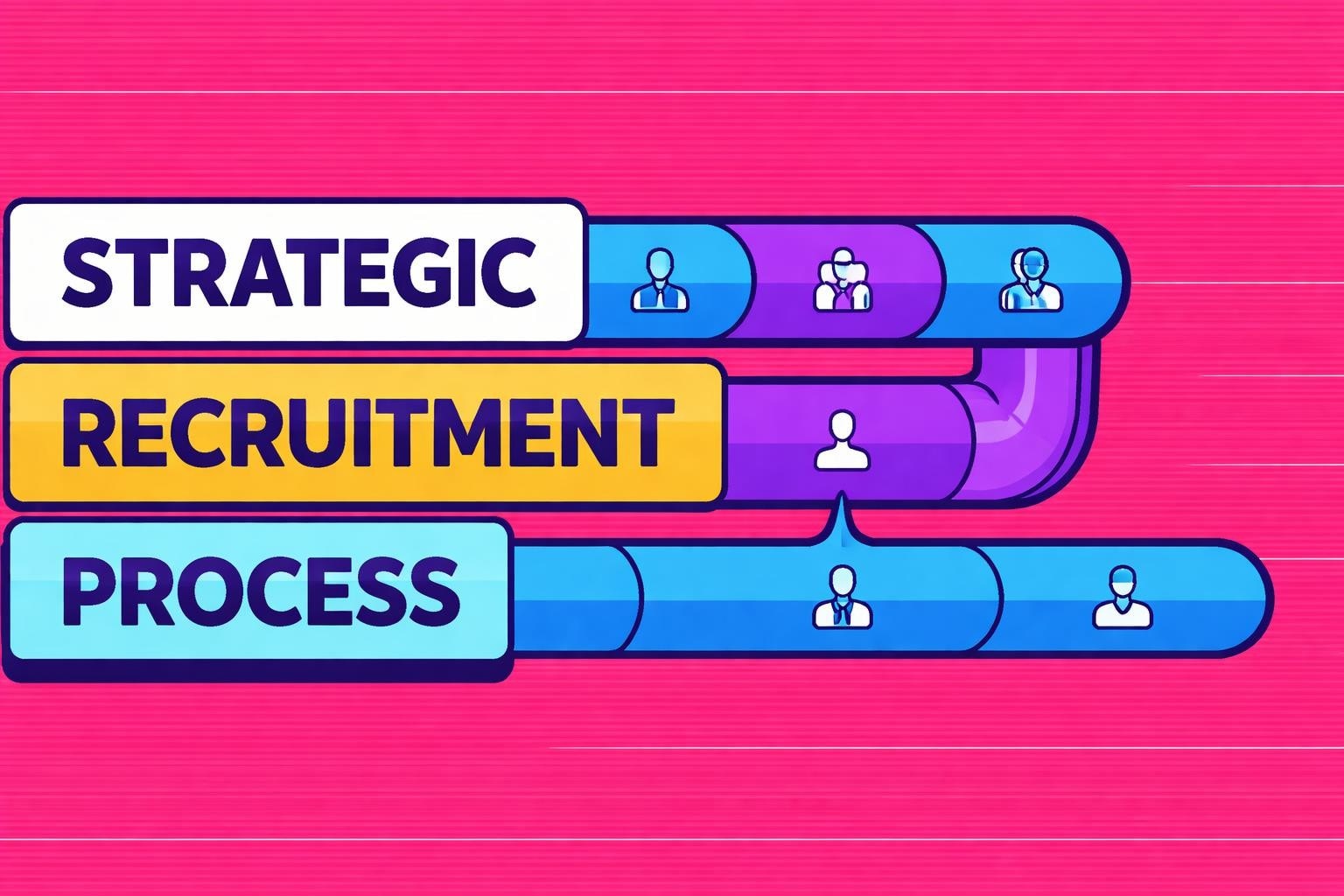
The recruitment landscape in 2026 demands that organizations think beyond immediate hiring needs. Building a robust candidate pipeline has become essential for companies that want to reduce time to hire, improve quality of hire, and maintain competitive advantage in tight talent markets. A well managed candidate pipeline functions as a strategic reservoir of pre qualified talent, allowing recruiters to respond quickly when positions open while maintaining relationships with professionals who may not be ready to move today but could be perfect fits tomorrow.
Understanding the Strategic Value of Candidate Pipelines
A candidate pipeline represents more than a database of resumes or a collection of contact information. This strategic recruitment approach involves identifying, engaging, and nurturing relationships with potential candidates before positions become available. The difference between reactive hiring and proactive talent acquisition lies in how effectively organizations build and maintain their candidate pipeline over time.
Companies that invest in pipeline development experience measurable advantages. Time to hire decreases significantly when recruiters can immediately reach out to pre screened candidates rather than starting the sourcing process from scratch. Quality of hire improves because pipeline candidates have been assessed and engaged over extended periods, providing deeper insights into their capabilities and cultural fit.
The financial impact extends beyond recruitment metrics. Organizations with established pipelines reduce their dependence on expensive external recruiting agencies and job board advertising. They also minimize the productivity losses associated with prolonged vacancies, as critical roles can be filled more rapidly from existing talent pools.
Developing Sourcing Strategies That Build Pipeline Depth
Creating a diverse and dynamic candidate pipeline begins with strategic sourcing that extends beyond traditional job postings. Modern recruiters must engage multiple channels simultaneously to ensure continuous talent flow into their pipelines. The most effective approaches combine digital platforms, industry connections, and relationship building activities that keep organizations visible to potential candidates.
Professional networking platforms serve as foundational sourcing tools, allowing recruiters to identify passive candidates who possess desired skills even when not actively job searching. Industry specific communities, online forums, and specialized groups provide access to niche talent pools that general job boards cannot reach. Attending virtual and in person industry events creates opportunities for direct engagement with professionals in target fields.
Educational partnerships represent an often underutilized sourcing channel for pipeline development. Establishing relationships with universities, coding bootcamps, and professional training programs provides early access to emerging talent. These partnerships allow organizations to engage candidates months or even years before they enter the job market, creating significant competitive advantages.
Employee referral programs generate some of the highest quality pipeline candidates. Team members understand organizational culture and role requirements, making their recommendations particularly valuable. Structured referral initiatives that offer clear incentives and simple submission processes consistently outperform passive approaches that rely on occasional word of mouth recommendations.
Leveraging modern applicant tracking systems enables recruiters to organize and segment pipeline candidates based on skills, experience levels, and career interests. Technology platforms designed specifically for recruitment allow teams to track engagement history, set follow up reminders, and maintain detailed candidate profiles that inform future outreach.
Nurturing Relationships Through Consistent Engagement
Building a candidate pipeline requires more than initial contact. Sustained engagement transforms casual connections into meaningful professional relationships that yield hiring results when the timing aligns. The nurturing phase determines whether pipeline candidates remain interested in future opportunities or lose connection with the organization entirely.
Personalized communication stands as the cornerstone of effective candidate nurturing. Generic email blasts fail to maintain engagement, while tailored messages that reference specific conversations, acknowledge career milestones, or share relevant content demonstrate genuine interest in the individual. Recruiters who invest time in understanding candidate career goals and aspirations can position their organizations as partners in professional development rather than simply sources of job opportunities.
Content sharing provides ongoing value that keeps organizations visible without constant direct outreach. Sending industry insights, company news, professional development resources, or market trend analyses positions the organization as a thought leader while providing reasons to maintain regular contact. This approach works particularly well with passive candidates who may not respond to direct job inquiries but appreciate valuable information.
Regular touchpoints maintain relationship warmth without overwhelming candidates. Quarterly check ins, annual career conversations, or invitations to company events create natural opportunities for connection. The frequency should match the candidate's engagement level and career stage, with more active pipeline members receiving more frequent communication.
Technology solutions enable scalable nurturing through automation that still feels personal. AI powered recruitment tools can trigger appropriate messages based on candidate actions, career milestones, or time elapsed since last contact. These systems ensure no pipeline candidate falls through the cracks while freeing recruiters to focus on high value relationship building activities.

Segmenting Your Candidate Pipeline for Maximum Effectiveness
Not all pipeline candidates require identical treatment. Effective segmentation allows recruiters to prioritize efforts and customize engagement strategies based on candidate readiness, skill levels, and organizational fit. This targeted approach maximizes return on investment in pipeline development activities.
Readiness segmentation divides candidates based on their likelihood to accept opportunities in specific timeframes. Hot prospects who have indicated active interest in near term moves require different engagement than warm candidates exploring options or cold contacts who represent long term possibilities. Each segment demands distinct communication frequencies and content types that match their current mindset.
Skill based segmentation organizes pipeline candidates according to competencies, experience levels, and role types they could fill. This organization enables rapid response when specific positions open, as recruiters can immediately identify relevant candidates rather than searching entire databases. Creating skill tags and proficiency ratings during initial assessments streamlines future matching processes.
Cultural fit considerations deserve their own segmentation criteria. Candidates who demonstrate strong alignment with organizational values, work styles, and team dynamics represent higher probability hires even if their technical skills require development. Separate tracking of cultural indicators helps maintain focus on candidates who will thrive in the specific work environment.
Geographic segmentation becomes increasingly important as remote work policies evolve. Some roles require specific locations while others offer flexibility. Organizing candidates by location preferences, relocation willingness, and time zone compatibility ensures outreach focuses on candidates who can realistically fill available positions.
Measuring Pipeline Health and Optimization Opportunities
Data driven pipeline management separates successful recruitment functions from those that struggle with inconsistent results. Tracking key recruitment metrics provides visibility into pipeline performance and reveals optimization opportunities that improve overall talent acquisition effectiveness.
Pipeline volume metrics indicate whether sourcing activities generate sufficient candidate flow. Monitoring the number of new candidates added monthly, total pipeline size by role category, and net growth rates helps identify sourcing gaps before they impact hiring capacity. Healthy pipelines maintain volumes that exceed anticipated hiring needs by comfortable margins.
Conversion rates measure how effectively pipeline candidates move through recruitment stages when opportunities arise. Tracking the percentage of contacted candidates who respond, the proportion who advance to interviews, and ultimate offer acceptance rates reveals where relationship strength or candidate quality may need improvement. Low conversion rates signal either poor initial screening or insufficient nurturing.
Time in pipeline analytics show how long candidates remain engaged before either accepting positions or disengaging. Extended periods without progression may indicate nurturing deficiencies, while very short durations before hiring suggest the pipeline functioned effectively. Understanding these patterns helps optimize engagement strategies and identify ideal cultivation timeframes.
Quality of hire assessments completed after pipeline candidates join the organization validate the entire pipeline approach. Comparing performance ratings, retention rates, and cultural fit scores between pipeline hires and those recruited through other channels demonstrates whether the investment in relationship building delivers superior results.
Pipeline diversity metrics ensure sourcing and nurturing strategies reach candidates from varied backgrounds. Monitoring demographic representation, educational pathways, and professional experiences within pipeline segments highlights whether diverse talent pools receive adequate attention and engagement.
Integrating Technology to Scale Pipeline Management
Manual pipeline management becomes unsustainable as candidate volumes grow and recruiting teams handle multiple simultaneous searches. Modern recruitment technology provides the infrastructure necessary to maintain thousands of candidate relationships while delivering personalized experiences that keep engagement high.
Applicant tracking systems designed with pipeline functionality offer centralized databases where all candidate information, interaction history, and assessment data reside. These platforms enable team collaboration by allowing multiple recruiters to view candidate profiles, add notes from conversations, and coordinate outreach without duplicating efforts or sending conflicting messages.
Automated workflow tools handle routine pipeline maintenance tasks that would otherwise consume excessive recruiter time. Scheduled email sequences can nurture candidates through predefined communication paths, while automated reminders ensure timely follow up after networking events or initial screenings. This automation maintains consistency while preserving recruiter capacity for high value activities.
AI resume screening capabilities accelerate the initial assessment phase that determines whether candidates enter the pipeline. Advanced systems analyze CVs against role requirements, rank candidates based on qualification matches, and provide recruiters with prioritized shortlists in moments rather than hours. This efficiency allows teams to build larger pipelines without proportional increases in manual review time.
Relationship management features track engagement levels and suggest optimal outreach timing. Systems that monitor email opens, content downloads, and website visits provide behavioral signals indicating when candidates may be most receptive to conversations. Recruiters can focus their personal attention where it will generate the greatest impact.
Integration capabilities connect pipeline management tools with other recruitment technologies, creating seamless workflows that eliminate duplicate data entry and ensure information consistency. Connecting sourcing platforms, assessment tools, interview scheduling systems, and offer management solutions through comprehensive recruiting software creates efficiency gains that compound across the entire hiring process.
Building Employer Brand to Attract Pipeline Candidates
The strength of a candidate pipeline depends heavily on employer brand perception. Professionals choose which organizations to engage with based on reputation, values alignment, and career opportunity perceptions. Strategic employer branding efforts make pipeline building easier by creating inbound interest that complements outbound sourcing.
Authentic storytelling that showcases employee experiences creates emotional connections with potential candidates. Sharing career progression stories, highlighting team accomplishments, and demonstrating organizational values through real examples helps candidates envision themselves within the company. This content works particularly well for nurturing pipeline relationships over extended periods.
Transparency about work culture, challenges, and expectations builds trust that supports long term engagement. Candidates appreciate honest portrayals of roles and organizational realities more than polished marketing messages that feel disconnected from actual employee experiences. This authenticity pays dividends when pipeline candidates eventually consider formal opportunities.
Thought leadership positions organizations as industry innovators where top talent wants to work. Publishing insights on industry trends, contributing to professional discussions, and demonstrating expertise through content creation attracts pipeline candidates who value continuous learning and professional development.
Consistent digital presence across professional platforms ensures candidates can easily find and learn about the organization. Maintaining active company pages, engaging with industry conversations, and providing detailed job information when positions are available creates multiple touchpoints that reinforce brand messages and keep the organization visible.
Activating Your Candidate Pipeline When Positions Open
The ultimate test of candidate pipeline effectiveness occurs when positions become available. Well managed pipelines enable rapid activation that significantly reduces time to hire while maintaining or improving candidate quality compared to traditional recruitment approaches.
Immediate outreach to relevant pipeline segments gives organizations first mover advantage with top candidates. Rather than waiting for job postings to attract applicants, recruiters can contact pre qualified candidates the moment a position opens. This speed often determines whether organizations secure their first choice candidates or lose them to competitors.
Personalized activation messages that reference previous conversations and explain why specific candidates match particular opportunities generate higher response rates than generic job announcements. Demonstrating that the outreach results from genuine fit assessment rather than mass distribution shows respect for the relationship and increases candidate interest.
Streamlined application processes for pipeline candidates remove unnecessary friction that causes drop off. Since pipeline candidates have already been initially screened and assessed, requiring them to complete lengthy applications duplicates effort and wastes time. Simplified processes that capture only essential new information respect their time and accelerate movement toward interviews.
Priority consideration for pipeline candidates over unknown external applicants rewards their engagement and strengthens ongoing relationships. While maintaining fair evaluation standards, giving pipeline candidates early interview opportunities demonstrates that relationship building provides tangible benefits. This practice encourages continued engagement even among candidates who do not receive offers for specific positions.
Feedback loops that inform non selected pipeline candidates about outcomes maintain relationship health. Rather than ghosting candidates who were not chosen, providing brief explanations and expressing continued interest in future opportunities preserves goodwill and keeps doors open for subsequent roles that may offer better matches.
Refreshing and Maintaining Pipeline Quality Over Time
Candidate pipelines require ongoing maintenance to remain effective. Career circumstances change, contact information becomes outdated, and candidate interests evolve. Regular pipeline hygiene ensures that databases contain current, engaged candidates rather than obsolete contacts who no longer provide recruitment value.
Periodic re engagement campaigns identify which pipeline candidates remain interested in future opportunities. Annual surveys, career check in emails, or invitations to company events generate responses that signal continued engagement. Non responsive candidates can be moved to inactive status while still preserving their information for potential future reactivation.
Contact information updates prevent wasted outreach efforts. Encouraging pipeline candidates to update their profiles when they change roles, relocate, or acquire new skills keeps databases current. Automated email verification tools identify invalid addresses before major outreach campaigns launch.
Skill assessments conducted at intervals ensure pipeline data reflects candidates' current capabilities rather than historical snapshots. As professionals gain experience and develop new competencies, updating skill profiles improves matching accuracy when positions open. This practice also provides natural touchpoint opportunities that maintain relationship warmth.
Removal criteria for inactive candidates keep pipelines focused on viable prospects. Candidates who consistently fail to respond to outreach over extended periods likely no longer provide value and can be archived to reduce database clutter. Clear criteria around inactivity thresholds ensure consistent application across all pipeline segments.
Building a reliable talent pipeline requires balancing growth with quality maintenance. Adding new candidates without corresponding attention to database hygiene creates bloated pipelines that become difficult to navigate and yield diminishing returns on engagement efforts.
Coordinating Pipeline Strategy Across Hiring Teams
Organizations with multiple recruiters or decentralized hiring functions must coordinate candidate pipeline efforts to maximize efficiency and avoid duplicate outreach that damages candidate experiences. Strategic coordination transforms individual pipeline activities into cohesive organizational talent strategies.
Centralized candidate databases prevent situations where different recruiters unknowingly contact the same candidates about different roles. Shared visibility into all candidate interactions ensures consistent messaging and allows teams to present unified organizational fronts. This coordination becomes particularly important when candidates might fit multiple role types or business units.
Territory or specialty assignments clarify which recruiters own relationships with specific candidate segments. Clear ownership prevents confusion and ensures candidates develop consistent relationships with particular recruiters who understand their backgrounds and career goals. This specialization also allows recruiters to develop deeper expertise in specific talent markets.
Regular pipeline review meetings create forums for sharing insights, identifying gaps, and coordinating sourcing priorities. Team discussions about pipeline health metrics, successful engagement strategies, and challenging talent segments distribute knowledge and improve overall performance. These meetings also provide opportunities to reallocate resources toward high priority hiring needs.
Shared best practices accelerate skill development across recruiting teams. When individual recruiters discover effective sourcing channels, engagement approaches, or assessment techniques, documenting and distributing these insights through recruitment automation platforms amplifies their impact across the entire organization.
Aligning Candidate Pipeline Strategy With Business Planning
The most strategic organizations integrate candidate pipeline development directly into business planning processes. Understanding future hiring needs months or years in advance allows recruitment teams to build pipelines that align with organizational growth trajectories and strategic initiatives.
Workforce planning conversations between recruitment leaders and business executives identify anticipated talent needs based on expansion plans, product launches, market entries, or other strategic initiatives. These insights inform which skill sets and experience levels should receive pipeline development focus well before requisitions open.
Succession planning for critical roles creates specific pipeline targets for leadership and specialized positions. Identifying potential internal candidates while simultaneously developing external pipeline options ensures continuity when key transitions occur. This dual approach provides flexibility while maintaining organizational stability.
Budget allocation for pipeline activities reflects their strategic importance. Organizations that treat pipeline development as discretionary rather than essential underinvest in sourcing, technology, and relationship building activities that generate long term recruitment advantages. Securing dedicated budget ensures consistent pipeline growth regardless of immediate hiring volumes.
Regular pipeline reporting to business leaders maintains visibility into talent availability for strategic initiatives. Dashboards showing pipeline depth by critical skill areas, candidate quality indicators, and activation readiness help executives understand recruitment capacity and make informed decisions about timing for growth initiatives.
Developing Specialized Pipelines for Hard to Fill Roles
Certain positions consistently challenge recruitment teams due to skill scarcity, geographic limitations, or compensation constraints. These roles deserve dedicated pipeline development efforts that recognize their unique challenges and apply specialized strategies beyond general pipeline approaches.
Technical specialists in emerging technology areas require pipelines built through niche communities and specialized platforms where these professionals congregate. General job boards and mainstream professional networks provide limited access to candidates with cutting edge skills. Effective sourcing strategies for these roles emphasize targeted outreach through technical forums, open source project communities, and specialized conferences.
Executive level pipelines demand longer relationship cultivation periods and different engagement approaches than individual contributor roles. Senior leaders typically require extensive assessment of strategic thinking, leadership philosophy, and cultural fit beyond technical competencies. Building executive pipelines often involves years of relationship development through industry connections and professional networks.
Geographic specific pipelines address roles requiring physical presence in locations with limited talent pools. These situations benefit from early engagement with professionals who might consider relocation, partnerships with local educational institutions, and creative approaches like remote work arrangements that expand viable candidate pools beyond immediate geographic constraints.
Specialized licensing or certification requirements necessitate pipeline candidates who already possess or can quickly obtain necessary credentials. Early identification of candidates with appropriate qualifications or clear pathways to certification prevents last minute scrambles when positions open.
Compensation constrained roles where market rates exceed organizational budgets require pipeline candidates who value non monetary benefits like mission alignment, work flexibility, or career development opportunities. Engagement messaging for these pipelines emphasizes total value proposition rather than focusing primarily on compensation.
Building and maintaining an effective candidate pipeline transforms recruitment from reactive scrambling into proactive talent strategy. Organizations that invest in sourcing diverse candidates, nurturing authentic relationships, and leveraging technology to scale personalized engagement position themselves for sustained hiring success in competitive talent markets. Klearskill helps recruiters maximize pipeline effectiveness by using AI to analyze candidate CVs and deliver ranked shortlists in moments, allowing teams to focus their energy on relationship building rather than manual screening. The combination of strategic pipeline development and intelligent automation creates recruitment advantages that drive business results throughout 2026 and beyond.


