
January 23, 2026
Cv Recruitment Guide: Expert Tips for Success in 2026

The world of cv recruitment is evolving rapidly, and by 2026, competition for top roles will be fiercer than ever. Navigating this landscape requires insight, strategy, and a clear understanding of what employers and jobseekers need.
This guide gives you expert-backed, actionable tips designed for both candidates and recruiters. You will discover the latest recruitment trends for 2026, learn how to craft a standout CV, leverage technology and AI, master every step of the recruitment process, and apply advanced strategies tailored to your experience level.
Ready to gain a competitive edge in cv recruitment? Let’s explore the future together.
The 2026 Recruitment Landscape: Trends and Expectations
The world of cv recruitment is undergoing rapid and profound change as we approach 2026. Employers and candidates alike are navigating a market shaped by digital transformation, remote work, and the integration of artificial intelligence at every stage of hiring. Understanding these shifts is essential for anyone aiming to succeed in this highly competitive environment.
Digital tools now dominate the cv recruitment process. Employers rely heavily on applicant tracking systems and advanced analytics to streamline screening and decision-making. In fact, AI-powered platforms can cut screening time by up to 92 percent, enabling recruiters to identify top candidates almost instantly. This acceleration means both speed and precision are now fundamental to recruitment success.
Remote and hybrid work models are no longer exceptions but expectations. Organizations are sourcing talent from global pools, making multilingual capabilities and cross-cultural skills more valuable than ever. For candidates, this widens opportunities but also intensifies competition in cv recruitment. Recruiters must adapt to assessing candidates who may never set foot in a physical office.
Diversity, equity, and inclusion are at the heart of hiring strategies. Employers are prioritizing candidates who demonstrate a commitment to inclusive values. Data-driven approaches are helping organizations reduce bias and promote fairer outcomes. For a deeper look at how analytics are transforming these processes, consider exploring data-driven recruitment strategies.
Sector-specific growth is shaping the cv recruitment landscape as well. Technology, healthcare, and green industries are expanding rapidly, creating high demand for specialized skills. Roles like talent intelligence specialists and data-driven hiring managers are emerging, signaling a shift toward more analytical and strategic recruitment functions.
Employers now expect more than technical qualifications. Adaptability, emotional intelligence, and continuous learning are crucial soft skills for 2026. At the same time, technical skills such as data analysis, ATS proficiency, and digital communication are non-negotiable for success in cv recruitment. Multilingualism and the ability to work across time zones are also seen as distinct advantages in the global talent market.
In summary, the 2026 cv recruitment landscape is defined by rapid digitalization, global competition, and a relentless focus on data and inclusion. Both candidates and recruiters must embrace these trends, invest in upskilling, and remain agile to thrive in the evolving world of recruitment.

Crafting a Standout CV for Recruitment Success
In the fast-paced world of cv recruitment, a standout CV is your most valuable asset. The 2026 job market demands more than just a polished format or basic details. Recruiters and AI-driven systems now expect CVs that are tailored, data-rich, and easy to scan both by humans and algorithms.
Understanding the key elements of a successful cv recruitment strategy is essential. This section outlines how to structure your CV, highlight your strengths, and ensure your application rises to the top in a digital-first environment. For those seeking deeper insight into effective practices, reviewing CV screening best practices can provide an additional edge.

Writing an Impactful Personal Profile
Your personal profile is the first touchpoint in cv recruitment and sets the tone for the entire document. In 2026, recruiters prioritize profiles that are concise, engaging, and directly aligned with employer needs.
Start with a clear statement of your role and years of experience. For entry-level candidates, focus on your motivation and adaptability. Specialists should highlight niche expertise, while senior professionals must showcase leadership and strategic vision.
For example, an entry-level profile might read, “Recent graduate with a passion for talent acquisition, skilled in digital sourcing and eager to contribute to a high-performing team.” A specialist could say, “Results-driven recruiter with five years’ experience in tech hiring, recognized for data-driven candidate selection.” Senior profiles should emphasize measurable outcomes, such as “Strategic talent leader with a decade of experience, delivering 30 percent faster placements through innovative sourcing.”
Use quantifiable achievements, mention core soft skills like communication and adaptability, and always tailor your profile to the role and industry. This approach will help your cv recruitment efforts stand out from the start.
Showcasing Relevant Skills for Modern Recruitment
Skills are a critical differentiator in cv recruitment, especially as roles evolve with technology. Today, recruiters look for a balance of technical expertise, soft skills, and adaptability.
Highlight hard skills such as applicant tracking system proficiency, data analysis, and sourcing strategies. Equally important are soft skills like relationship management, negotiation, and emotional intelligence. Transferable skills, for those entering recruitment from other fields, can add unique value and demonstrate versatility.
In 2026, in-demand abilities include digital literacy, familiarity with AI tools, and the capacity to analyze talent data. Mentioning skills like “advanced ATS operation” or “talent analytics” signals readiness for the modern hiring landscape. Competitor insights confirm that recruiters who can bridge human insight with technology are most sought after.
Incorporate keywords naturally and ensure your skills section is tailored to each job description. This alignment not only boosts your cv recruitment success but also increases the likelihood your CV will pass automated screening tools.
Presenting Work Experience and Achievements Effectively
Work experience remains a cornerstone of effective cv recruitment. In a competitive landscape, how you communicate your contributions and results makes all the difference.
Start each role with a brief summary of your responsibilities, then focus on measurable achievements. Use action verbs such as “delivered,” “streamlined,” or “accelerated” to convey impact. For instance, a recruitment consultant might write, “Delivered end-to-end hiring for 40 technical roles in six months, achieving a 95 percent offer acceptance rate.” A talent acquisition specialist could say, “Streamlined interview processes, reducing time-to-hire from 45 to 25 days through process optimization.”
Quantifiable outcomes are key. Highlight metrics like improved placement rates, reduced turnover, or increased candidate satisfaction. These details demonstrate the real value you bring to cv recruitment and help set you apart from other applicants.
Education, Courses, and Certifications That Make a Difference
Education and certifications are increasingly influential in cv recruitment as employers seek evidence of ongoing development. Start with your highest degree, then add relevant certifications such as CIPD, REC, or LinkedIn Learning credentials.
Specialized degrees in HR, business, or psychology can provide a competitive advantage. In 2026, micro-credentials and industry-recognized courses are especially valued, as they showcase adaptability and commitment to learning. Certificates in digital recruitment, diversity and inclusion, or AI for HR signal readiness for evolving industry demands.
Competitor examples reveal that recruiters with current certifications are more likely to secure interviews, particularly for specialist or leadership roles. Keep this section concise, but ensure it covers all qualifications relevant to modern cv recruitment, including any recent courses or ongoing education.
Leveraging Technology and AI in the Recruitment Process
Technology is revolutionizing cv recruitment at every stage. As digital tools become standard, both candidates and recruiters must adapt quickly to remain competitive. Artificial intelligence, automation, and advanced analytics now shape how CVs are reviewed, how candidates are shortlisted, and how hiring decisions are made.
The pace of change is accelerating. With so many platforms and software options available, understanding how to leverage these innovations is essential for recruitment success in 2026.
Optimizing CVs for Applicant Tracking Systems (ATS)
Applicant tracking systems are now central to cv recruitment, scanning and sorting thousands of applications in seconds. These systems rely on algorithms to identify the best matches, so candidates must ensure their CVs are readable both by humans and machines.
To optimize for ATS, focus on clear formatting and strategic keyword placement. Use standard section headings, avoid unusual fonts or graphics, and mirror the language found in the job description. Integrating relevant keywords increases the likelihood your CV will be ranked highly by the ATS.
Recent studies show that over 98 percent of Fortune 500 companies use ATS software in their hiring process. For a deeper understanding of how to tailor your CV to these systems, consider reviewing this Optimizing CVs for ATS software resource.
Remember, an ATS-friendly CV is now a must-have for anyone navigating the modern cv recruitment landscape.
The Role of AI in Candidate Shortlisting and Selection
AI has dramatically shifted how recruiters approach cv recruitment. Instead of manually reviewing every application, AI-driven tools can analyze thousands of CVs in moments, flagging those with the highest potential.
These platforms assess experience, skills, and even soft skills, using data-driven models to rank candidates. This not only saves time but also helps reduce unconscious bias by focusing on objective criteria. Transparency in algorithmic decision-making is critical, ensuring that fairness is maintained throughout the selection process.
For candidates, this means tailoring your CV for both human and AI review. Use quantifiable achievements and relevant terminology, as AI tools prioritize data that aligns with the job requirements. As AI's role expands, understanding its impact on cv recruitment will be essential for future success.
Staying Ahead: Upskilling for Digital Recruitment Tools
Both recruiters and candidates must continuously upskill to keep pace with digital transformation in cv recruitment. Mastery of recruitment software, analytics platforms, and virtual communication tools is increasingly valued by employers.
Leading tools in 2026 include advanced ATS platforms, AI-powered sourcing engines, and talent analytics dashboards. Regular training and certification in these systems can set you apart in a crowded field.
Investing in digital skills ensures you remain adaptable as cv recruitment evolves. Staying current with the latest technologies will open new opportunities and improve your effectiveness, whether you are applying for roles or managing the hiring process.
How AI-Powered Recruitment Platforms Like Klearskill Transform CV Screening
AI recruitment solutions like Klearskill are redefining cv recruitment by automating CV screening and generating instant, data-driven shortlists. These platforms deliver actionable talent intelligence, making it easier to match candidates with the right roles.
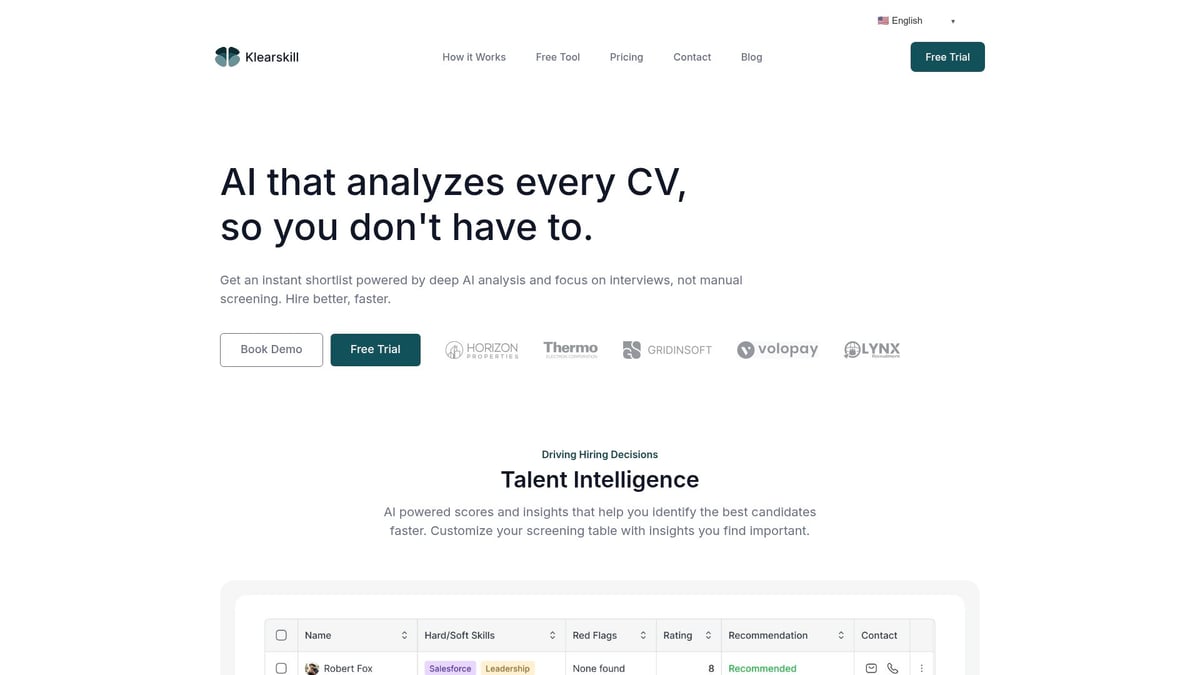
Klearskill's technology offers measurable results, including a 92 percent reduction in screening time and a 97 percent match accuracy rate for technical roles. This not only accelerates time-to-hire but also minimizes bias and enhances decision quality.
For recruiters and candidates alike, leveraging AI-driven platforms can streamline the cv recruitment process and improve outcomes. Embracing these innovations is key to staying competitive in 2026.
Mastering the Recruitment Process: Step-by-Step Guide
Navigating the modern cv recruitment journey requires a clear, strategic approach. The landscape in 2026 is more competitive and technology-driven than ever. To maximize your chances of success, follow this step-by-step guide tailored for both candidates and recruiters. Each stage addresses critical actions and insights, ensuring you stay ahead in the evolving recruitment market.

Step 1: Researching Roles and Employers
Effective cv recruitment starts with in-depth research. Take time to identify target companies that align with your values and career goals. Review their mission statements, recent projects, and industry reputation.
Use resources like company websites, professional networks, and social media to understand their work culture and priorities. Networking remains powerful, so connect with current employees or recruiters for informational interviews.
Stay updated on industry trends and in-demand skills for 2026. This strategic research will guide your application approach and set the foundation for success throughout the cv recruitment journey.
Step 2: Tailoring Your CV and Application
Customizing your application is essential for cv recruitment success in a highly automated environment. Carefully analyze each job description, highlighting the skills, qualifications, and experiences the employer values most.
Incorporate relevant keywords and achievements throughout your CV, ensuring they match the language used in the posting. Tailor your personal profile and work experience to address the unique needs of each role and sector.
This targeted approach demonstrates genuine interest and increases your chances of passing both human and AI screening. Personalized applications consistently outperform generic submissions in cv recruitment.
Step 3: Navigating Digital Application Portals
Most cv recruitment processes now use digital portals, which rely on applicant tracking systems to manage applications. Ensure your documents are formatted correctly, using clear headings and standard fonts to avoid parsing errors.
Upload your CV and supporting documents in the recommended file types, such as PDF or DOCX. Double-check that all information is accurate and complete before submitting.
With the rise of automation, understanding these platforms is vital. According to AI's Impact on Recruitment Efficiency, AI-driven tools have drastically streamlined application reviews, making it even more important to present your credentials clearly in cv recruitment.
Step 4: Preparing for Virtual and AI-Assisted Interviews
Virtual interviews and AI assessments are now standard in cv recruitment. Familiarize yourself with the video conferencing tools and online platforms used by employers.
Practice answering common interview questions while maintaining eye contact and positive body language. Prepare for AI-driven assessments that may analyze your responses, tone, and facial expressions.
Review the skills and competencies most frequently evaluated, such as adaptability, problem-solving, and communication. Thorough preparation will help you stand out in both automated and live interview settings in the cv recruitment process.
Step 5: Demonstrating Value and Cultural Fit
During the cv recruitment process, employers seek candidates who align with their values and can adapt to evolving work environments. Highlight your adaptability, eagerness to learn, and examples of collaboration in your responses.
Share stories that illustrate your impact in previous roles, emphasizing both technical and interpersonal skills. Research the company’s culture and reference it during your conversations to show genuine interest.
Demonstrating a strong cultural fit not only increases your chances of securing an offer but also sets the tone for long-term success within the organization’s cv recruitment strategy.
Step 6: Negotiating Offers and Onboarding Remotely
Once you receive an offer, take time to evaluate the terms carefully. Consider salary, benefits, remote work policies, and professional development opportunities as part of the cv recruitment negotiation.
Communicate openly and professionally when discussing adjustments or clarifications with your new employer. Once terms are agreed, prepare for a remote onboarding experience by reviewing documentation, setting up technology, and engaging with your new team virtually.
Successful onboarding solidifies your place within the company and ensures a smooth transition as part of the modern cv recruitment process.
Step 7: Building Long-Term Relationships and Career Growth
The cv recruitment journey does not end with a job offer. Cultivate ongoing relationships with recruiters, colleagues, and mentors. Regularly update your professional network and share your achievements on platforms like LinkedIn.
Seek feedback and stay proactive in pursuing learning opportunities. Continuous skill development and networking will position you for future promotions and new roles.
By investing in long-term connections and growth, you maximize the value of each cv recruitment experience and build a resilient, rewarding career path.
Advanced Strategies for Different Experience Levels
Adapting your cv recruitment strategy is crucial for standing out in a rapidly evolving market. Whether you are just starting, advancing mid-career, or aiming for senior leadership, tailored approaches can drive real results. The following advanced strategies are designed to help professionals at every stage maximize their impact and unlock new opportunities in cv recruitment.
Entry-Level Candidates: Breaking Into Recruitment
For those entering cv recruitment, the focus should be on showcasing transferable skills, enthusiasm, and potential. Start with a concise personal profile that highlights your adaptability, communication abilities, and willingness to learn. Even if your direct experience is limited, include internships, volunteer work, or relevant coursework that demonstrate your understanding of recruitment fundamentals.
Emphasize digital literacy and a proactive approach to learning new tools, especially as AI and automation become core to the industry. According to recent research, candidates with demonstrable AI skills are significantly more likely to receive interview invitations, making these competencies a powerful differentiator in cv recruitment. For more insights, see AI Skills as a Hiring Signal.
Networking is another vital strategy. Connect with industry professionals, attend virtual events, and seek informational interviews. This not only broadens your understanding of the field but also helps you gain practical insights that can be reflected in your cv recruitment applications.
Mid-Career Professionals: Showcasing Progression and Specialization
Mid-career professionals in cv recruitment should focus on illustrating career growth and sector expertise. Begin by articulating your progression, such as moving from junior to senior roles or taking on increasing responsibility within talent acquisition. Use quantifiable achievements to demonstrate your impact, like improving hiring efficiency or leading successful projects.
Highlight any specialization, whether in tech, healthcare, or another high-growth sector. Employers in 2026 value professionals who can navigate complex recruitment challenges and leverage data for smarter decision making. Incorporate your proficiency with digital tools and platforms, as familiarity with automated resume screening is now expected in cv recruitment.
Leadership experience, even on a small scale, should be brought to the forefront. Detail how you have mentored colleagues or driven process improvements. These examples prove your readiness for more advanced roles and show alignment with the industry’s shift toward data-driven and technology-enabled recruitment practices.
Senior Talent: Positioning for Leadership and Strategic Roles
Senior professionals must position themselves as strategic partners in cv recruitment. At this level, it is essential to emphasize your ability to shape recruitment strategies, drive organizational change, and deliver measurable business outcomes. Start your CV with a results-oriented summary that reflects your leadership philosophy and innovative approach.
Demonstrate your track record of implementing large-scale recruitment initiatives, managing multidisciplinary teams, and integrating advanced technologies. Certifications such as CIPD or REC, along with ongoing professional development, signal your commitment to excellence in cv recruitment.
Showcase how you have adapted to major shifts in hiring, such as the integration of AI and the adoption of remote work models. Referencing industry trends, such as the projected rise of AI-managed hiring processes by 2026, can underscore your forward-thinking mindset. This strategic perspective sets senior candidates apart and positions them as trusted advisors in the evolving recruitment landscape.
Transitioning Between Industries or Functions
Transitioning into cv recruitment from another sector or shifting within recruitment specializations requires a thoughtful approach. Begin by identifying and aligning your existing skills with the demands of your target role. Transferable competencies like stakeholder management, digital fluency, and analytical thinking are increasingly valued in modern recruitment.
Research the expectations of your new industry and tailor your CV to highlight relevant achievements. For those moving into tech-driven recruitment, demonstrating familiarity with automated resume screening tools can provide a competitive edge in cv recruitment. Include examples of adapting to new technologies or processes, which signal your readiness for a different environment.
Building relationships with professionals in your desired sector, attending industry events, and pursuing targeted certifications can accelerate your transition. The key is to present a narrative of growth and adaptability, positioning yourself as a solution-oriented candidate who can drive value across different recruitment contexts.
Frequently Asked Questions About CV Recruitment in 2026
Navigating cv recruitment in 2026 can feel overwhelming, especially with rapid technological change and evolving employer expectations. To help you make informed decisions, we have compiled answers to the most common questions asked by candidates and recruiters today.
What is the ideal length and structure for a recruitment CV in 2026?
The optimal cv recruitment document in 2026 should be concise, focused, and tailored to each role. For most professionals, one to two pages are sufficient. Structure your CV with clear sections: personal details, a compelling summary, work experience, education, relevant skills, and quantifiable achievements. Use clear headings and avoid dense blocks of text to improve readability for both AI and human reviewers.
How can candidates with no direct experience stand out?
If you are new to cv recruitment, focus on transferable skills from internships, volunteer work, or academic projects. Highlight your adaptability, communication, and problem-solving abilities. A skills-based CV format can showcase your potential and align your strengths with employer needs. Use your personal profile to share your motivation and readiness to grow.
What are the most valued skills for recruitment roles in 2026?
Employers increasingly seek a mix of technical and soft skills in cv recruitment. Proficiency with applicant tracking systems, data analysis, and digital sourcing is essential. Equally, relationship management, negotiation, and emotional intelligence remain highly valued. According to AI's Influence on Hiring Strategies, businesses are prioritizing candidates with adaptability and a willingness to upskill as AI tools become standard in the industry.
How do AI and ATS impact the recruitment process?
AI and applicant tracking systems have transformed cv recruitment. These tools parse, rank, and shortlist candidates based on keywords, experience, and skills. To maximize your visibility, use relevant language from the job description and ensure clean formatting. A recent survey highlighted in AI's Role in Future Hiring Processes suggests that by the end of 2026, AI may manage most hiring processes, making digital fluency more important than ever.
What certifications or courses add the most value for recruiters?
Certifications such as CIPD, REC, and specialized LinkedIn Learning courses stand out in cv recruitment. These credentials demonstrate industry knowledge and commitment to professional growth. For technical recruiters, data analytics and AI-focused certifications are particularly valuable in the evolving hiring landscape.
What are the best practices for remote and hybrid recruitment?
Success in remote or hybrid cv recruitment relies on strong digital communication, time management, and adaptability. Familiarity with virtual interview platforms and remote onboarding processes is essential. Candidates should highlight any experience with distributed teams and remote collaboration tools.
How can candidates and recruiters stay updated with industry changes?
Continuous learning is key in cv recruitment. Follow reputable industry publications, attend webinars, and participate in networking events. Regularly updating your skills and knowledge ensures you remain competitive as recruitment practices and technologies evolve.
By understanding these frequently asked questions, you can approach cv recruitment in 2026 with confidence and clarity.
As we look ahead to the evolving world of CV recruitment in 2026, it's clear that staying ahead means embracing AI and technology to streamline your hiring process and make smarter decisions. If you're ready to put these expert tips into action and see the difference that intelligent candidate shortlisting can make, I encourage you to experience it firsthand. You can save valuable time, reduce bias, and improve your talent matches by letting AI do the heavy lifting. Take the next step toward recruitment success—Start free trial and see how easy it is to find your top candidates in moments.


