
January 29, 2026
Guide to Becoming a Director of Talent in 2026

The world of talent management is rapidly changing, with organizations seeking leaders who can drive people strategies and fuel business success. As companies compete for top performers, the director of talent role is emerging as a strategic force shaping the future of work.
This comprehensive guide reveals the essential steps, key skills, and proven strategies to become a director of talent by 2026. You will discover the journey from foundational education to mastering the latest trends and technologies. Ready to transform your career and make a lasting impact? Start your roadmap to leadership and unlock new opportunities in talent management today.
Understanding the Role of a Director of Talent
The director of talent stands at the forefront of organizational growth, shaping how businesses attract, retain, and develop their people. In today's environment, this role is pivotal for aligning workforce strategies with overarching business objectives. The director of talent is tasked with overseeing the full spectrum of talent acquisition, employee development, and retention initiatives.
Over the past decade, the director of talent has evolved from a traditional HR figure to a strategic leader. No longer confined to administrative tasks, this role now requires a proactive approach to identifying future skill needs and driving long-term workforce planning. The director of talent collaborates closely with executive leadership to ensure the organization’s talent pool is equipped to meet changing market demands.
A hallmark of the modern director of talent is the use of data-driven decision-making. By leveraging analytics, they can forecast hiring needs, measure the effectiveness of recruitment campaigns, and refine retention strategies. Cross-functional collaboration is essential, as directors of talent partner with business units, IT, and finance to align talent initiatives with the company’s vision. These partnerships enable the director of talent to integrate talent management into every aspect of the business.
On a daily basis, the director of talent may review workforce analytics dashboards, oversee employer branding efforts, and consult with managers on succession planning. Long-term projects could include designing leadership development programs or implementing new HR technologies. According to industry data, demand for talent leaders is projected to grow significantly, with organizations increasingly recognizing the ROI of strategic talent management.
The director of talent is distinct from related roles such as director of talent acquisition and director of talent management. While the director of talent oversees the entire talent lifecycle, the director of talent acquisition focuses specifically on recruitment and sourcing. The director of talent management, on the other hand, emphasizes employee development and performance management. For a deeper dive into the nuances of these positions, you can review the Director of Talent Acquisition role. Understanding these differences is crucial for those mapping their career path toward director of talent.
Company size and industry significantly influence the scope of the director of talent role. In large enterprises, the director of talent may lead specialized teams and manage global talent strategies. In smaller organizations, the role may be more hands-on, with direct involvement in day-to-day HR operations. Industry context also matters, as technology, healthcare, and finance often require niche expertise and innovative talent solutions. Regardless of setting, the director of talent is integral to building a resilient and future-ready workforce.

Educational Pathways and Professional Qualifications
Building a successful career as a director of talent starts with a strong educational foundation and a commitment to ongoing professional development. As organizations elevate talent strategy to a core business function, the pathways to leadership roles in human resources are becoming more structured, yet offer flexibility for those eager to stand out.

A bachelor’s degree remains the baseline requirement for aspiring directors of talent. Most professionals begin with studies in human resources, business administration, psychology, or organizational development. These programs provide a solid understanding of HR principles, employment law, and the basics of workforce management. Early exposure to practical HR scenarios through internships or cooperative education also helps candidates build confidence and gain hands-on experience.
While an undergraduate degree opens the door, advanced education is increasingly valued for those seeking a director of talent role. Many employers now prefer candidates with a master’s in human resource management, an MBA with an HR concentration, or a related graduate degree. These programs teach advanced concepts in strategic planning, leadership, and organizational behavior, which are critical for navigating complex talent challenges.
Professional certifications further distinguish candidates in a competitive landscape. Credentials such as the SHRM Senior Certified Professional (SHRM-SCP) and the Senior Professional in Human Resources (SPHR) signal a deep understanding of HR best practices and legal compliance. Specialized certifications in areas like HR analytics, talent acquisition, and diversity and inclusion are also gaining traction. According to industry surveys, over 70 percent of HR leaders in director roles hold at least one advanced certification.
Continuous learning is essential for anyone aspiring to become a director of talent. Leading universities and professional organizations offer executive education, online courses, and workshops focused on the latest HR technologies and leadership strategies. Institutions like Cornell University, Rutgers, and the University of Michigan have renowned HR graduate programs. Networking through HR associations, industry conferences, and alumni groups provides valuable opportunities for mentorship and career advancement.
The landscape for directors of talent is evolving rapidly, with employers seeking leaders who demonstrate both traditional HR expertise and digital fluency. In fact, Key Skills for HR Leaders in 2025 highlights that data-driven decision-making, adaptability, and strategic leadership are now essential qualifications. Staying current with industry trends, regulatory changes, and emerging technology ensures that directors of talent remain effective and relevant.
Ultimately, a director of talent must blend academic achievement, professional credentials, and real-world experience to succeed. By prioritizing lifelong learning and building a robust professional network, you can position yourself as a strategic leader ready to shape the future of talent management.
Step-by-Step Guide to Becoming a Director of Talent by 2026
Becoming a director of talent by 2026 requires a strategic approach and a clear vision for your career path. Each step builds on the last, helping you gain the skills, experience, and network needed to reach this leadership role. This guide outlines the journey from foundational education to demonstrating strategic impact, helping you navigate the competitive landscape of talent management.

Step 1: Acquire Relevant Education and Entry-Level Experience
Start your journey to becoming a director of talent by securing a strong educational foundation. Most professionals begin with a bachelor’s degree in human resources, business administration, or psychology. This academic base gives you essential knowledge of organizational behavior, employment law, and talent management principles.
Early experience is crucial. Seek internships or entry-level HR positions, such as HR assistant or coordinator. These roles introduce you to core HR processes, including recruitment, onboarding, and employee relations. Exposure to daily HR operations helps you understand how talent initiatives support business goals.
During this phase, actively seek mentorship and feedback. Building relationships with experienced HR professionals can provide insights into industry best practices. By the time you complete this stage, you should have a clear understanding of how the director of talent role fits into the broader HR function.
Step 2: Develop Core HR Skills and Pursue Specializations
Once you have a foundational background, focus on deepening your expertise in key HR areas. Build skills in recruitment, talent development, and HR analytics. These competencies are essential for anyone aspiring to be a director of talent.
Participate in specialized training programs or certifications in areas such as talent analytics, diversity and inclusion, or HR technology. This continuous learning approach keeps your knowledge current and relevant. It also demonstrates your commitment to professional growth, which is highly valued by employers.
Real-world experience is equally important. Volunteer for projects that let you apply new skills, such as implementing a new applicant tracking system or designing a training program. This hands-on involvement prepares you for the strategic demands of the director of talent position.
Step 3: Advance to Mid-Level Roles and Expand Leadership Abilities
Progressing to mid-level HR roles is the next step. Positions such as HR manager or talent acquisition lead offer opportunities to manage teams, budgets, and projects. These responsibilities are vital for developing the leadership acumen needed for a director of talent.
At this stage, focus on building your management skills. Learn to set goals, deliver feedback, and coach your team. Take part in cross-functional projects to understand how talent strategy aligns with other business units. Gaining visibility across the organization supports your advancement.
Industry research, such as HR Director Skills in 2025, shows that strategic thinking and change management are among the most sought-after skills at this level. Prioritize these areas to stand out as a future director of talent.
Step 4: Build a Professional Network and Seek Mentorship
Networking is an essential ingredient for career growth. Engage with HR communities, attend industry conferences, and participate in professional associations. These activities connect you with peers and leaders in the field, expanding your influence and opportunities.
Mentorship is equally valuable. Seek guidance from established directors of talent or senior HR leaders. Their advice can help you navigate challenges and identify emerging trends in talent management. Strong professional relationships often lead to new opportunities and collaborations.
Your network can also provide support and encouragement as you pursue director of talent roles. Regularly share your achievements and seek constructive feedback to refine your skills and approach.
Step 5: Demonstrate Strategic Impact and Prepare for Director-Level Opportunities
As you approach the director of talent level, focus on showcasing your strategic impact. Lead high-visibility projects, such as workforce planning or large-scale organizational change initiatives. Track and communicate measurable outcomes, demonstrating how your work drives business results.
Executive presence and strategic vision are critical at this stage. Develop your ability to influence senior leadership and articulate the value of effective talent management. Position yourself as a thought leader by contributing to industry discussions and publishing insights on HR trends.
Prepare a portfolio highlighting your achievements, including successful talent strategies and innovations. Use performance reviews and self-assessments to identify areas for growth. By consistently demonstrating your readiness, you will stand out as a top candidate for director of talent positions.
Essential Technologies and Tools for Talent Leaders in 2026
The modern director of talent must embrace a rapidly changing technology landscape. Digital transformation is reshaping how organizations attract, develop, and retain talent. From intelligent automation to advanced analytics, the tools and platforms available in 2026 are more powerful and interconnected than ever.
To lead effectively, a director of talent must stay ahead of technology trends and leverage the right solutions to drive business results. Understanding the impact of these innovations is essential for those aiming to rise to the top of the talent field.
Leveraging AI and Automation in Talent Management
Artificial intelligence and automation have become central to the director of talent role. AI-driven recruitment platforms now streamline candidate sourcing, automate resume screening, and help eliminate unconscious bias in hiring. For example, AI tools can parse thousands of applications in minutes, flagging top talent for further review and freeing HR leaders to focus on strategic initiatives.
Automation also supports onboarding, performance management, and employee engagement processes. A director of talent must evaluate new tools, ensuring they align with business needs and integrate with existing HR systems. Digital fluency is critical, as technology is constantly evolving.
Organizations that adopt intelligent automation report higher efficiency and improved candidate experiences. According to industry data, over 60 percent of large enterprises are investing in AI for HR by 2026. Mastery of these tools enables the director of talent to deliver measurable business value and lead digital transformation across the organization.
To further enhance decision making, leaders can explore data-driven recruitment strategies, which provide actionable insights for hiring and workforce planning. The director of talent who champions these approaches will stand out in an increasingly competitive landscape.
Data Analytics and Workforce Planning Tools
Analytics platforms have transformed the way a director of talent measures and optimizes workforce performance. Today, predictive analytics can identify trends in employee turnover, engagement, and productivity, empowering HR leaders to make proactive decisions.
Modern workforce planning tools allow for real-time modeling of talent scenarios, helping organizations adapt quickly to market changes. The director of talent must interpret complex data, translate it into business strategies, and communicate insights to senior leadership.
Key metrics such as time-to-fill, quality of hire, and retention rates are now tracked through interactive dashboards. These tools help identify skill gaps, forecast future hiring needs, and support succession planning. By leveraging analytics, the director of talent can align talent strategies with organizational goals, ensuring a resilient and agile workforce.
Digital transformation in HR is accelerating, with 75 percent of organizations increasing investment in analytics by 2026. Staying current with these technologies is essential for any director of talent aiming to drive innovation and achieve optimal results.
How AI Recruitment Platforms Can Accelerate Your Path to Director of Talent
AI-powered recruitment software, such as Klearskill, is revolutionizing the journey to becoming a director of talent. These platforms automate candidate screening and shortlisting, allowing HR professionals to shift their focus to strategic leadership responsibilities.
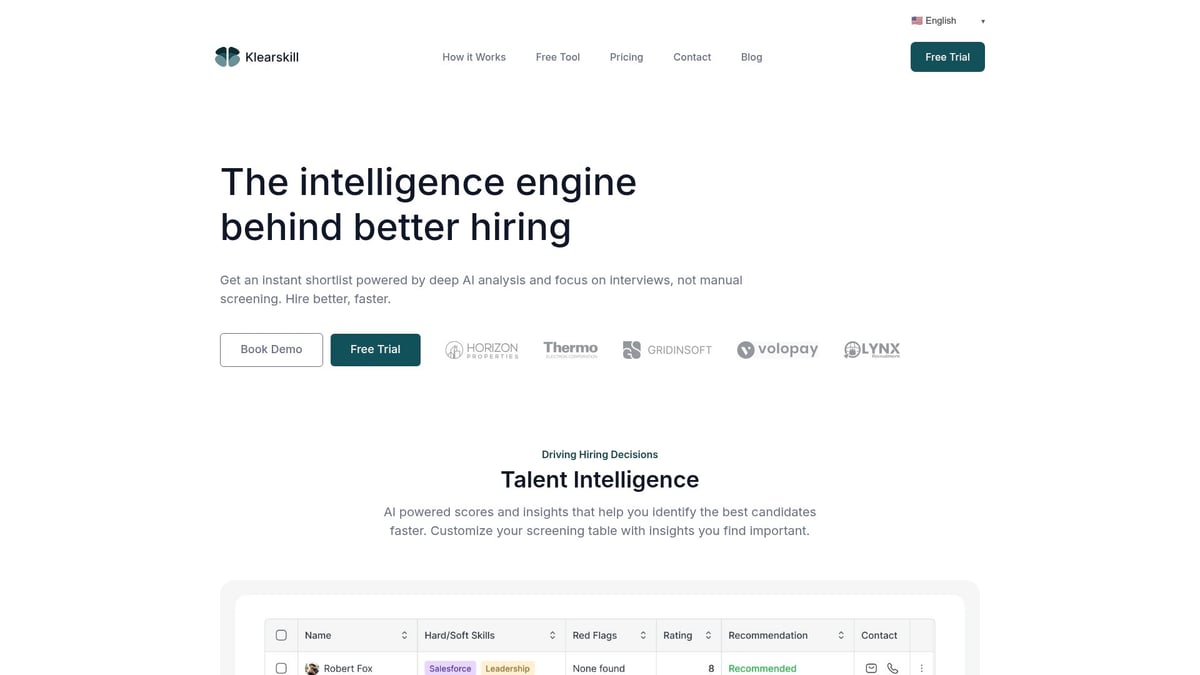
By integrating AI tools, a director of talent can access actionable insights, reduce unconscious bias, and make data-driven hiring decisions. Mastering these technologies not only improves organizational outcomes but also sets candidates apart in the job market. The ability to leverage AI in recruitment is quickly becoming a key differentiator for those seeking to advance to director of talent roles in 2026.
Future Trends and Challenges in Talent Leadership
The role of a director of talent is evolving faster than ever before. The future of talent leadership demands adaptability, strategic foresight, and a keen understanding of global shifts. As digital transformation, workforce expectations, and societal values reshape the workplace, directors of talent must stay ahead, embracing change as a pathway to organizational resilience.
To navigate this landscape, leaders are leveraging new technologies, reimagining work structures, and prioritizing diversity. For a deeper look at how technology is reshaping leadership priorities, see this resource on Digital transformation in HR.
The Rise of Remote and Hybrid Workforces
Remote and hybrid workforces have become the norm, not the exception. Directors of talent are now tasked with creating seamless experiences for distributed teams. This shift requires innovative policies, flexible technologies, and a new approach to engagement and performance.
A director of talent must understand the nuances of virtual collaboration. Implementing effective communication platforms, supporting asynchronous work, and fostering connection across time zones are now essential skills. The adoption of cloud-based HR systems and digital onboarding tools has accelerated, enabling rapid scaling and efficient management of global teams.
Recent studies show that over 70 percent of organizations plan to maintain some form of remote or hybrid work long term. This trend means directors of talent must balance flexibility with accountability, ensuring productivity and culture do not suffer. By developing remote-ready leadership programs and investing in well-being initiatives, directors of talent can support both business goals and employee satisfaction.
As the workplace continues to evolve, the director of talent's ability to adapt will define organizational success. Those who master remote workforce strategies will position their organizations ahead of the curve.
Diversity, Equity, and Inclusion as Strategic Imperatives
Diversity, equity, and inclusion have moved from aspirational goals to business imperatives. Directors of talent are leading the charge in embedding DEI into every aspect of the employee lifecycle, from recruitment to retention and leadership development.
Research consistently shows that diverse teams outperform homogeneous ones in innovation and profitability. Directors of talent must design fair hiring practices, implement bias mitigation tools, and foster inclusive cultures. Initiatives such as employee resource groups, transparent promotion criteria, and ongoing DEI training are now standard.
To stay competitive, directors of talent are leveraging data to track representation, monitor pay equity, and measure the impact of DEI programs. For actionable insights on effective strategies, review this guide on Diversity hiring strategies.
The director of talent must also champion psychological safety, ensuring all employees feel valued and heard. By embedding DEI into organizational DNA, directors of talent drive employee engagement and strengthen employer brands.
Navigating Economic and Regulatory Changes
Economic uncertainty and shifting regulations are presenting new challenges for talent leaders. Directors of talent must anticipate labor market fluctuations, manage costs, and ensure compliance with evolving laws.
Economic downturns may require workforce restructuring, while periods of growth demand agile recruiting and retention. The director of talent must analyze market trends, forecast talent needs, and adjust strategies accordingly. Staying current with labor laws, data privacy requirements, and workplace safety mandates is vital to minimize risk.
Directors of talent are also responsible for educating leaders on regulatory updates and fostering a culture of compliance. Building strong relationships with legal and finance teams enables proactive responses to new legislation.
The future will bring ongoing change. Directors of talent who remain agile, informed, and proactive will help their organizations not only survive but thrive in a complex environment.
As you set your sights on becoming a Director of Talent by 2026, embracing technology will give you a real edge. We’ve seen how AI-powered tools can streamline candidate shortlisting and free up your time for the strategic leadership that sets directors apart. If you’re ready to put these insights into action and accelerate your journey, why not experience firsthand how smart recruitment software can support your growth? Taking that next step is simple—explore new possibilities and Start free trial today. Your future in talent leadership is closer than you think.


