
February 22, 2026
Head of Talent: Role, Responsibilities & Impact in 2026
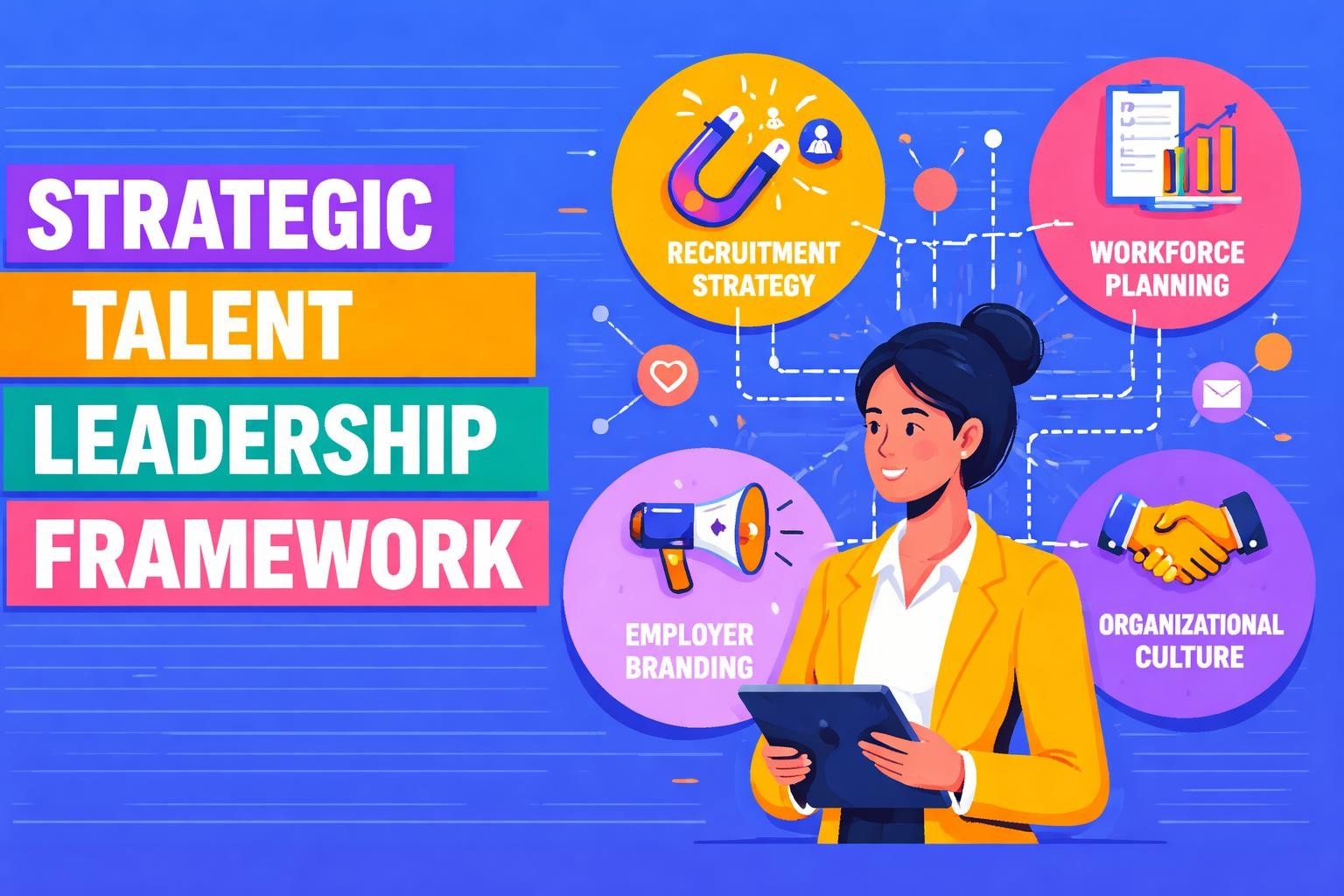
The talent landscape has evolved dramatically over recent years, transforming how organizations approach workforce planning and recruitment strategy. At the center of this evolution sits the head of talent, a strategic leadership position responsible for shaping an organization's entire talent ecosystem. This executive role goes far beyond traditional hiring functions, encompassing workforce planning, employer branding, talent development, and retention strategies that directly impact business performance. Understanding this position becomes essential for companies looking to build competitive advantage through their people.
Strategic Leadership in Talent Acquisition
The head of talent serves as the architect of an organization's talent strategy, working closely with executive leadership to align workforce capabilities with business objectives. This position requires a unique blend of strategic thinking and operational excellence, ensuring that talent initiatives support both immediate hiring needs and long-term organizational growth.
In 2026, this leadership role has become critical for organizations navigating rapid market changes and evolving workforce expectations. The position demands deep expertise in talent acquisition methodologies, data analytics, and organizational development. Rather than simply filling open positions, the head of talent focuses on building sustainable talent pipelines that fuel business expansion and innovation.
Creating Comprehensive Talent Frameworks
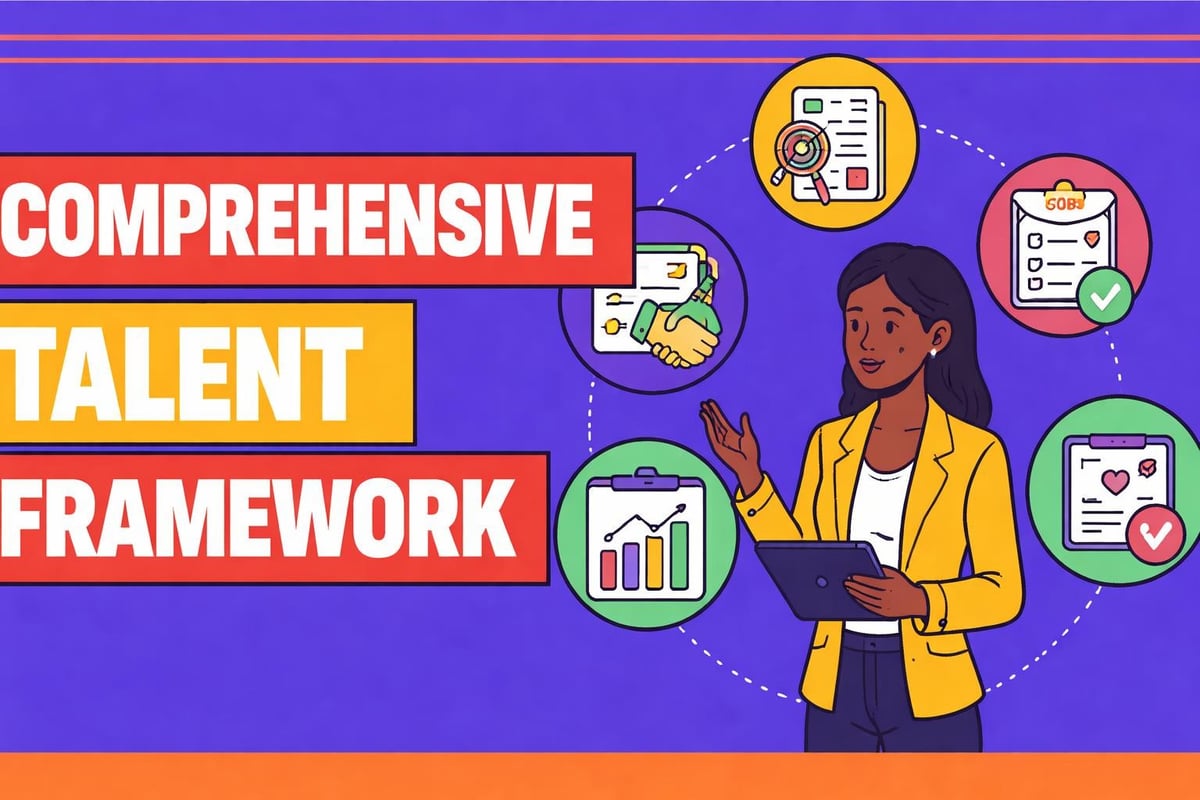
A head of talent develops frameworks that guide every aspect of the employee lifecycle. This includes establishing hiring standards, defining competency models, creating assessment methodologies, and implementing retention programs. These frameworks ensure consistency across the organization while allowing flexibility to address unique departmental needs.
The role requires constant evaluation of talent metrics to identify trends and opportunities. By analyzing data on time to hire, quality of hire, retention rates, and employee performance, the head of talent makes informed decisions about resource allocation and strategy adjustments. This analytical approach transforms talent management from a reactive function into a proactive business driver.
Organizations investing in modern recruitment automation provide their talent leaders with tools to execute these frameworks efficiently. Technology enables talent leaders to focus on strategic initiatives while automated systems handle repetitive tasks and data collection.
Core Responsibilities and Daily Operations
The head of talent position encompasses diverse responsibilities that vary based on organizational size, industry, and growth stage. However, certain core functions remain consistent across different contexts. Understanding these responsibilities helps organizations define clear expectations and measure performance effectively.
Talent acquisition strategy development represents the foundation of this role. The head of talent designs sourcing strategies, establishes recruitment processes, and builds relationships with talent pools and external partners. This strategic approach ensures the organization can quickly access qualified candidates when opportunities arise.
Building High-Performing Recruitment Teams
Leading and developing the recruitment team stands as a critical responsibility. The head of talent recruits, trains, and mentors talent acquisition professionals, ensuring the team possesses necessary skills and knowledge. This leadership extends beyond direct reports to include influencing hiring managers across the organization.
Team performance management requires establishing clear goals, providing regular feedback, and creating development opportunities. The head of talent implements performance metrics that drive accountability while fostering a culture of continuous improvement. Regular team reviews identify skill gaps and training needs, ensuring the recruitment function evolves with changing business requirements.
Understanding the talent acquisition director's role provides additional context for how talent leadership structures operate within larger organizations. The head of talent often oversees directors and managers who execute specific components of the overall strategy.
Employer brand development has emerged as an essential responsibility in competitive talent markets. The head of talent collaborates with marketing teams to articulate the organization's value proposition, create compelling content, and manage the candidate experience. A strong employer brand reduces cost per hire while improving candidate quality and acceptance rates.
Technology Integration and Data-Driven Decision Making
Modern talent leadership requires proficiency with recruitment technology and data analytics. The head of talent evaluates, selects, and implements tools that enhance team productivity and candidate experience. This technology ecosystem typically includes applicant tracking systems, candidate relationship management platforms, assessment tools, and analytics dashboards.
AI tools for HR have transformed how talent leaders approach candidate evaluation and selection. Advanced systems analyze candidate profiles at scale, identifying top prospects based on objective criteria rather than subjective judgment. This technological advancement allows talent teams to process larger candidate pools while maintaining quality standards.
Leveraging Analytics for Strategic Insights
Data analytics capabilities distinguish exceptional talent leaders from their peers. The head of talent establishes key performance indicators that measure recruitment effectiveness, efficiency, and impact. These metrics provide visibility into funnel conversion rates, source effectiveness, candidate quality, and hiring manager satisfaction.
Predictive analytics enable proactive workforce planning. By analyzing historical data and business forecasts, the head of talent anticipates future hiring needs and builds talent pipelines accordingly. This forward-looking approach prevents reactive hiring that often results in compromised quality or extended time to fill.
Implementing CV screening software streamlines the initial candidate evaluation process, allowing talent teams to focus attention on high-potential prospects. These systems use artificial intelligence to match candidate qualifications against position requirements, creating shortlists that save recruiters significant time while improving hiring outcomes.
Stakeholder Management and Cross-Functional Collaboration
Success as a head of talent depends heavily on building strong relationships across the organization. This position requires exceptional communication skills and political acumen to navigate competing priorities and secure necessary resources. The ability to influence without direct authority becomes essential when working with senior leaders and hiring managers.
Executive partnership represents a critical aspect of the role. The head of talent regularly engages with the C-suite to understand strategic priorities, communicate talent insights, and advocate for necessary investments. These conversations require translating talent metrics into business impact, demonstrating how talent initiatives drive revenue growth, innovation, and competitive advantage.
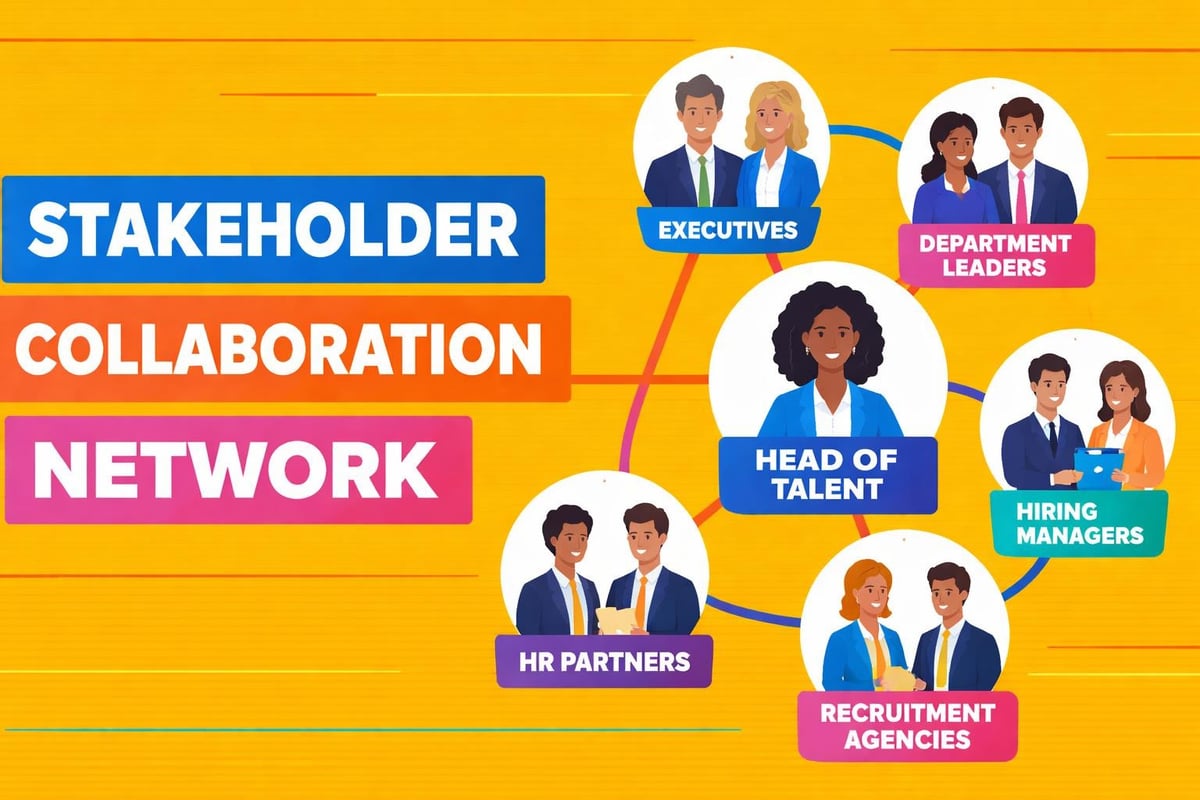
Hiring manager enablement ensures consistent, effective interviewing and selection practices throughout the organization. The head of talent creates training programs, provides coaching, and develops tools that help hiring managers make better talent decisions. This educational approach builds organizational capability while reducing dependence on the central talent team.
Private equity firms particularly value talent leaders who can drive rapid organizational scaling while maintaining culture and quality standards. The head of talent must balance speed with rigor, ensuring growth initiatives succeed without compromising long-term organizational health.
Specialized Knowledge and Industry Expertise
The head of talent position requires deep expertise spanning multiple disciplines. Recruitment methodologies form the foundation, including behavioral interviewing techniques, competency modeling, and selection best practices. This knowledge ensures hiring processes produce valid, reliable results that predict job performance.
Employment law and compliance represent critical knowledge areas. The head of talent must understand regulations governing hiring practices, equal employment opportunity requirements, and data privacy laws. This expertise protects the organization from legal risk while ensuring fair, equitable treatment of all candidates.
Compensation and Benefits Acumen
Understanding compensation structures and market dynamics enables effective talent negotiations and competitive positioning. The head of talent collaborates with compensation teams to develop offer strategies that attract top performers while maintaining internal equity. This requires analyzing market data, understanding total rewards philosophy, and articulating value beyond base salary.
Market intelligence gathering keeps the talent strategy aligned with external realities. The head of talent monitors competitor hiring activities, tracks industry trends, and maintains networks with other talent professionals. This external focus prevents insularity and ensures the organization adapts to changing market conditions.
Comprehensive job descriptions for the head of talent outline the extensive qualifications and experience required for this senior position. Organizations seeking to hire for this role should prioritize candidates with proven track records of building talent functions and driving measurable business impact.
Employer Branding and Candidate Experience Excellence
Creating a compelling employer brand differentiates organizations in competitive talent markets. The head of talent develops messaging that authentically represents company culture, values, and opportunities. This positioning must resonate with target talent segments while remaining truthful to avoid disappointing new hires.
Candidate experience optimization touches every interaction from initial awareness through onboarding. The head of talent maps candidate journeys, identifies pain points, and implements improvements that create positive impressions. Research consistently shows that candidate experience directly impacts offer acceptance rates and employer brand perception.
Digital Presence and Social Recruiting
Managing digital talent channels requires understanding platform algorithms, content strategies, and engagement tactics. The head of talent oversees social media presence, career site optimization, and digital advertising campaigns. This digital expertise attracts passive candidates who might not actively search traditional job boards.
Content creation supporting talent attraction includes employee testimonials, day-in-the-life features, and thought leadership articles. The head of talent coordinates with communications teams to produce authentic content that showcases organizational culture and opportunities. This content marketing approach builds awareness and interest among target talent communities.
Utilizing applicant tracking systems designed specifically for recruitment teams enables better candidate relationship management and communication. These systems automate candidate updates, schedule interviews, and maintain engagement throughout the hiring process.
Diversity, Equity, and Inclusion Leadership
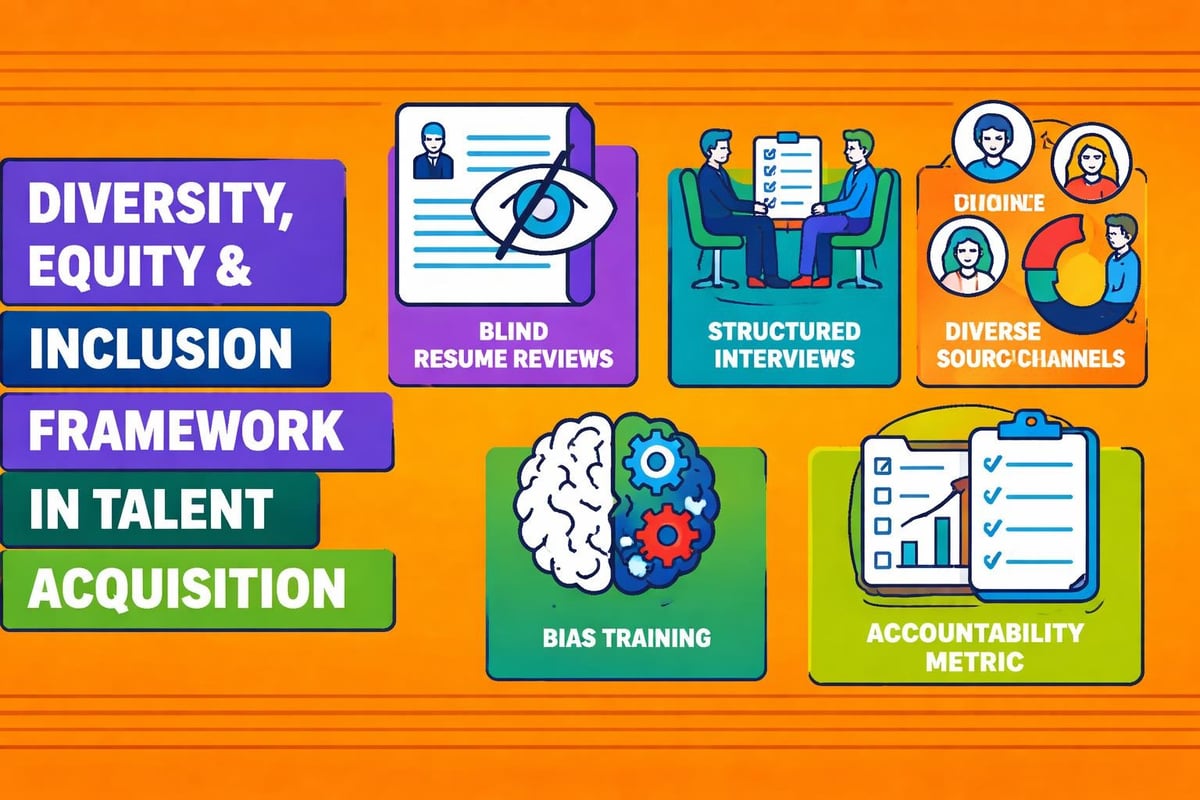
Advancing diversity, equity, and inclusion through talent practices represents both a moral imperative and business necessity. The head of talent designs recruitment strategies that broaden candidate pools and reduce bias in selection processes. This includes implementing blind resume reviews, structured interviews, and diverse interview panels.
Partnership with DEI leaders ensures talent initiatives align with broader organizational commitments. The head of talent translates DEI goals into actionable recruitment strategies, establishes accountability metrics, and reports progress to leadership. This integration makes diversity outcomes a shared responsibility rather than isolated initiative.
Supplier diversity in recruitment extends DEI commitment to external partnerships. The head of talent evaluates recruiting agencies and service providers based on their own diversity practices and ability to deliver diverse candidate slates. These partnerships expand organizational reach into underrepresented talent communities.
Building for Organizational Growth and Scaling
Growth scenarios require different talent strategies than steady-state operations. The head of talent develops scalable processes that maintain quality while accelerating hiring velocity. This includes creating recruitment playbooks, establishing regional hiring hubs, and building recruitment marketing capabilities that attract talent at scale.
Organizations in rapid growth phases particularly need talent leaders who can build infrastructure while executing aggressive hiring plans. The head of talent must simultaneously recruit for immediate needs and construct systems supporting future growth phases.
Workforce planning integration connects talent strategy with business forecasting. The head of talent collaborates with finance and operations leaders to model hiring needs based on revenue projections, market expansion plans, and product development roadmaps. This planning prevents hiring bottlenecks that constrain business growth.
Using automated hiring tools becomes essential when managing high-volume recruitment. These technologies handle administrative tasks, maintain candidate communication, and ensure consistent experiences even when hiring at scale. Automation frees talent teams to focus on relationship building and strategic decision making.
Career Development and Talent Retention Strategies
While often focused on acquisition, the head of talent increasingly owns retention and development initiatives. Internal mobility programs allow employees to explore new roles and acquire new skills without leaving the organization. These programs improve retention while filling positions with candidates who already understand company culture and operations.
Succession planning ensures critical positions maintain continuity during transitions. The head of talent works with leaders to identify high-potential employees, create development plans, and prepare internal candidates for advancement opportunities. This proactive approach reduces external hiring needs for senior positions.
Learning and development partnerships support continuous skill building throughout the organization. The head of talent identifies skill gaps, recommends training investments, and measures development program effectiveness. This holistic approach views talent management as a continuous cycle rather than discrete hiring events.
Measuring Impact and Demonstrating ROI
Establishing meaningful metrics proves the talent function's value and guides improvement efforts. The head of talent tracks leading indicators such as application rates, candidate pipeline health, and source effectiveness alongside lagging indicators like time to fill and cost per hire. This balanced scorecard provides comprehensive performance visibility.
Quality of hire metrics connect talent decisions to business outcomes. The head of talent collaborates with performance management teams to track new hire success rates, retention patterns, and performance ratings. These insights validate selection methods and identify opportunities for process refinement.
Demonstrating return on investment requires translating talent metrics into financial impact. The head of talent calculates costs associated with unfilled positions, quantifies productivity gains from faster hiring, and measures savings from improved retention. These business-focused metrics help secure resources and executive support for talent initiatives.
The head of talent position has evolved into a strategic business partner whose decisions directly influence organizational success and competitive positioning. As talent markets grow increasingly competitive and complex, organizations need leaders who can build comprehensive talent ecosystems spanning acquisition, development, and retention. Klearskill provides talent leaders with AI-powered recruitment software that analyzes candidate CVs and ranks applicants instantly, enabling faster, more objective hiring decisions that support your strategic talent objectives.


