
February 17, 2026
Hire Connect: Streamlining Recruitment in 2026

The recruitment landscape has evolved dramatically over recent years, with organizations seeking more efficient ways to identify and hire top talent. Modern recruitment teams face mounting pressure to reduce time to hire while maintaining quality standards and delivering exceptional candidate experiences. The concept of hire connect has emerged as a critical approach to addressing these challenges by creating seamless connections between employers and qualified candidates through technology enhanced processes. Understanding how to leverage hire connect methodologies can transform your recruitment outcomes and position your organization for sustained hiring success.
Understanding the Hire Connect Approach
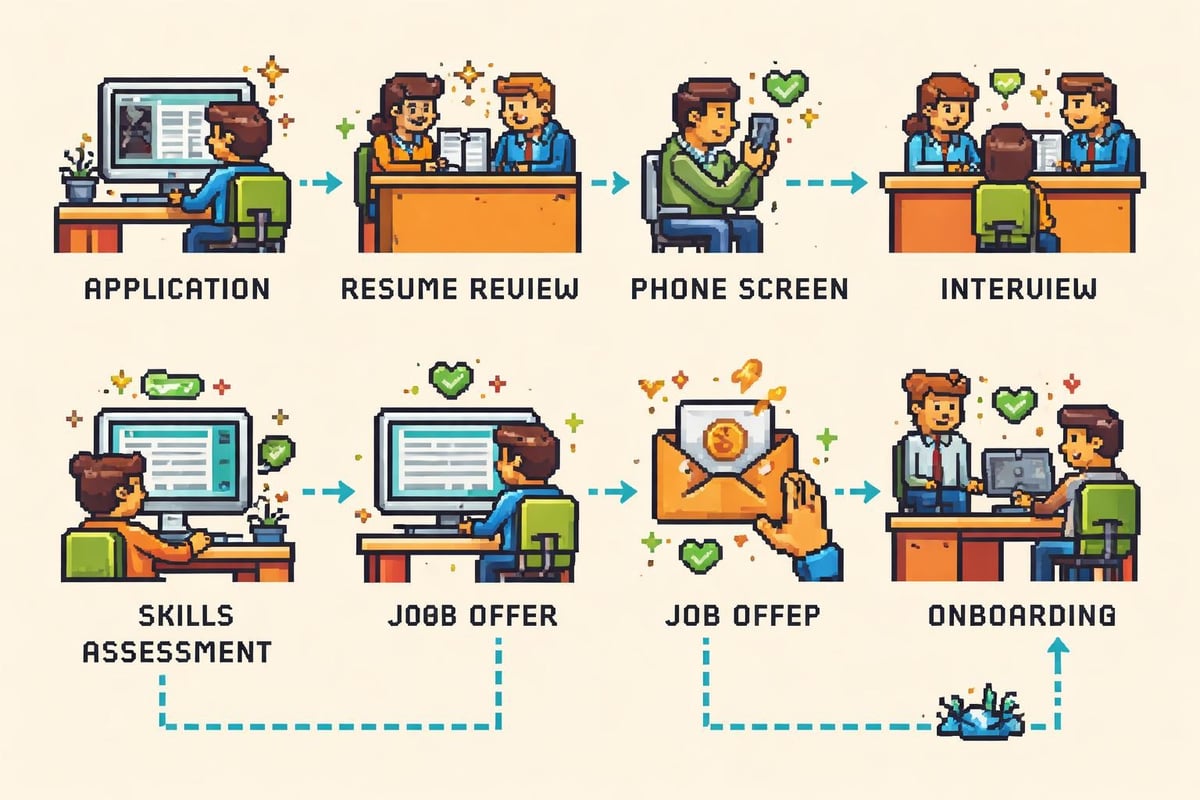
The hire connect framework represents a fundamental shift in how organizations approach talent acquisition. Rather than treating recruitment as a series of disconnected activities, this methodology emphasizes the creation of integrated pathways that connect every stakeholder in the hiring process. From initial candidate sourcing through final onboarding, each touchpoint becomes part of a cohesive system designed to maximize efficiency and effectiveness.
Traditional recruitment often suffers from fragmentation, with disparate tools and processes creating bottlenecks and communication gaps. The hire connect methodology addresses these pain points by establishing unified workflows that ensure information flows seamlessly between team members. This integration becomes particularly valuable when managing high volume hiring or filling specialized positions where coordination between multiple decision makers is essential.
Modern recruitment software platforms have built their architectures around these connection principles. By centralizing candidate data, communication histories, and evaluation metrics, these systems enable hiring teams to maintain complete visibility throughout the recruitment lifecycle. The result is faster decision making, reduced administrative burden, and improved collaboration among stakeholders who might otherwise operate in silos.

Technology Platforms That Enable Hire Connect
Several technology solutions have emerged to facilitate hire connect strategies within recruitment operations. Companies like Hire Connect Ltd offer mobile applications that provide instant alerts for new opportunities and streamline availability management. These platforms recognize that effective hiring requires real time communication and rapid response capabilities that traditional email based processes cannot deliver.
The broader ecosystem of hire connect solutions extends beyond simple notification systems. Comprehensive recruitment platforms integrate applicant tracking, candidate relationship management, and analytics capabilities into unified environments. This consolidation eliminates the need for recruiters to switch between multiple tools, reducing context switching and enabling them to focus on high value activities like candidate engagement and stakeholder communication.
When evaluating recruiting tools for hr teams, organizations should prioritize solutions that emphasize connectivity and integration. The most effective platforms offer robust API capabilities that allow them to connect with existing HRIS systems, job boards, and communication tools. This interoperability ensures that adopting a hire connect approach doesn't require completely replacing your existing technology stack.
Organizations exploring cv screening software will find that modern solutions incorporate hire connect principles by automatically routing qualified candidates to appropriate hiring managers and scheduling interviews without manual intervention. These automated workflows reduce the administrative burden on recruitment teams while ensuring candidates progress through the hiring pipeline efficiently.
Building Connections Between Candidates and Opportunities
The hire connect philosophy extends beyond internal process optimization to encompass how organizations engage with candidates themselves. Creating meaningful connections with potential hires requires understanding their motivations, preferences, and career aspirations rather than simply matching keywords on resumes to job descriptions. This human centered approach to recruitment yields better quality hires and improves long term retention outcomes.
Effective candidate engagement begins with clear, compelling job descriptions that accurately represent both the role and the organization's culture. Transparency about expectations, compensation, and growth opportunities helps candidates self select, ensuring that those who apply have genuine interest and alignment with the position. This filtering effect reduces wasted effort on both sides and improves the efficiency of downstream screening activities.
Modern hire connect strategies leverage multiple communication channels to meet candidates where they are most comfortable. Some professionals prefer text message updates about their application status, while others appreciate detailed email correspondence or phone conversations. Recruitment platforms that support omnichannel communication enable teams to personalize their approach based on candidate preferences, strengthening relationships and improving response rates.
Passive candidate engagement represents another critical dimension of hire connect methodologies. Rather than waiting for positions to open before initiating contact with potential hires, forward thinking organizations build talent communities and maintain ongoing relationships with individuals who might be strong fits for future opportunities. This proactive approach reduces time to fill when positions do open and gives organizations access to talent that may never browse traditional job boards.
Optimizing Hire Connect Through Data and Analytics
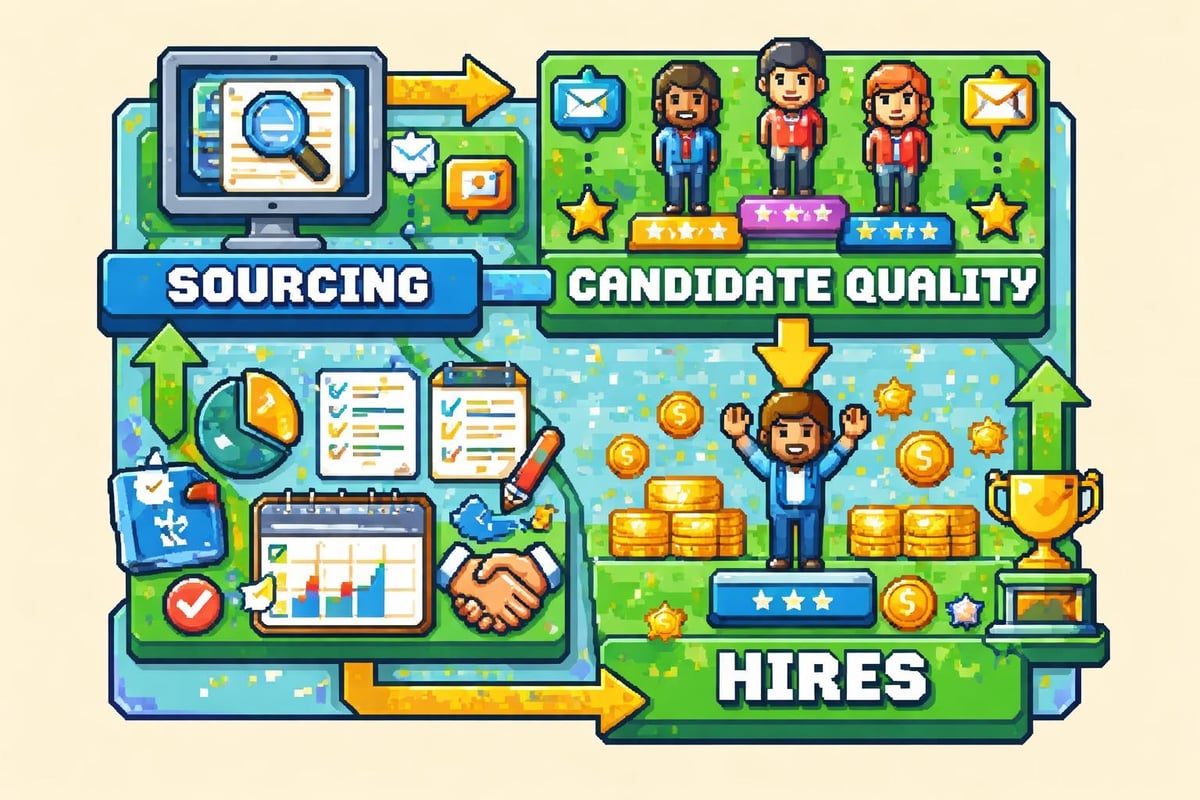
Data driven decision making forms the foundation of successful hire connect implementations. By tracking metrics across every stage of the recruitment funnel, organizations can identify bottlenecks, measure the effectiveness of different sourcing channels, and continuously refine their approaches. The insights generated through robust analytics enable recruitment teams to allocate resources more effectively and demonstrate their impact on business outcomes.
Key performance indicators for hire connect initiatives typically include time to hire, cost per hire, candidate quality scores, and offer acceptance rates. However, leading organizations dig deeper into their data to understand the factors that influence these outcomes. For example, analyzing which interview formats produce the most accurate predictions of job performance allows teams to optimize their evaluation processes and improve hiring quality.
Automated hiring tools generate vast amounts of data that can inform recruitment strategy when properly analyzed. Patterns in candidate behavior, such as which communication methods yield the highest response rates or what time of day applications are most likely to be submitted, provide actionable insights for optimizing outreach timing and channel selection. These seemingly small optimizations compound over time to produce measurable improvements in recruitment efficiency.
Predictive analytics represents the cutting edge of hire connect optimization. By analyzing historical hiring data, advanced platforms can forecast which candidates are most likely to succeed in specific roles, how long it will take to fill positions with particular requirements, and which sources will yield the highest quality applicants. These predictions enable proactive resource planning and help recruitment teams stay ahead of hiring needs rather than constantly reacting to immediate demands.
The Role of Artificial Intelligence in Hire Connect
Artificial intelligence has become integral to modern hire connect strategies, automating routine tasks and surfacing insights that would be impossible to identify through manual analysis. AI powered recruitment tools can screen thousands of resumes in minutes, identifying candidates whose skills and experience align with position requirements while eliminating unconscious bias from initial screening decisions.
The most sophisticated AI recruitment platforms go beyond simple keyword matching to understand the context and nuances of candidate qualifications. Natural language processing capabilities enable these systems to recognize transferable skills, identify potential for growth, and assess cultural fit based on values and work style preferences expressed in application materials. This deeper analysis produces shortlists that truly reflect the best matches for specific positions.
Organizations implementing ai for talent acquisition often see dramatic reductions in time to hire alongside improvements in candidate quality. By handling the labor intensive work of resume screening and initial qualification, AI frees recruiters to focus on relationship building, candidate experience optimization, and strategic workforce planning. This division of labor between technology and human expertise represents the ideal application of hire connect principles.
However, successful AI implementation requires thoughtful change management and ongoing monitoring. Recruitment teams must understand how their AI tools make decisions, regularly audit outputs for potential bias, and maintain human oversight of critical hiring decisions. The goal is to augment rather than replace human judgment, creating a hybrid approach that combines the efficiency of automation with the empathy and contextual understanding that only people can provide.
Connecting Virtual Teams Through Strategic Hiring
The shift toward remote and hybrid work models has expanded the talent pool available to organizations while simultaneously complicating the recruitment process. Hire connect strategies for distributed teams must account for timezone differences, cultural nuances, and the challenges of evaluating candidates without in person interaction. Companies like Hire Connect specialize in building virtual teams across various business functions, demonstrating that geography need not limit access to talent.
Video interviewing platforms have become essential tools for remote hire connect initiatives. These solutions enable face to face conversations regardless of physical location while often incorporating features like recorded interviews that can be shared with stakeholders who couldn't attend live sessions. The ability to collaborate asynchronously on candidate evaluation becomes particularly valuable when hiring managers and team members span multiple time zones.
Assessing cultural fit and team dynamics presents unique challenges in virtual hiring contexts. Without the opportunity for candidates to visit offices or meet team members informally, organizations must create structured experiences that simulate working relationships. Virtual coffee chats, online collaboration exercises, and digital workspace tours help candidates understand team dynamics while giving hiring teams opportunities to observe interaction styles and communication preferences.
Onboarding represents the final critical connection point in remote hiring processes. The transition from candidate to employee requires intentional effort to integrate new hires into team cultures and workflows when physical proximity cannot facilitate organic relationship building. Comprehensive digital onboarding programs that combine self paced learning, structured check ins, and relationship building activities help remote employees feel connected from day one.
Measuring Success in Hire Connect Initiatives
Establishing clear success metrics ensures that hire connect implementations deliver measurable business value rather than simply introducing new technology or processes. Beyond basic efficiency metrics, organizations should track indicators that reflect the quality and sustainability of their hiring outcomes. Employee retention rates, time to productivity, and hiring manager satisfaction scores provide insight into whether recruitment processes are truly identifying candidates who will thrive in their roles.
Candidate experience metrics offer another critical perspective on hire connect effectiveness. Survey feedback from both successful and unsuccessful candidates reveals whether your processes create positive impressions of your organization. Even candidates who don't receive offers can become brand ambassadors or apply for future positions if they feel respected and well informed throughout the recruitment process.
Comparing your performance against industry benchmarks helps contextualize your metrics and identify areas for improvement. Resources like recruitment software comparison guides provide insight into what best in class organizations achieve across key hiring metrics. Understanding where your performance falls relative to peers highlights opportunities to refine your hire connect strategies and close capability gaps.
Continuous improvement requires regular review and refinement of hire connect processes. Quarterly assessments of recruitment metrics, stakeholder feedback sessions, and technology audits ensure that your approaches evolve alongside changing business needs and market conditions. The most successful organizations treat hire connect as an ongoing journey rather than a destination, constantly seeking ways to strengthen connections between candidates, hiring teams, and business objectives.
Integrating Hire Connect With Broader HR Strategy
Recruitment does not exist in isolation from other human resources functions. Effective hire connect strategies align with broader talent management initiatives including employee development, succession planning, and retention programs. When hiring decisions consider not just immediate role requirements but also long term career progression opportunities, organizations build more engaged and committed workforces.
Collaboration between recruitment and learning and development teams creates powerful synergies. Understanding the training and upskilling capabilities available within your organization enables recruiters to consider candidates with adjacent rather than perfect skill matches. This expanded aperture increases the available talent pool while demonstrating commitment to employee growth that resonates with candidates seeking development opportunities.
Compensation and benefits strategy directly impacts hire connect effectiveness. Competitive offers attract stronger candidate pools and improve acceptance rates, while transparent communication about total rewards helps candidates make informed decisions. Platforms like Hire Connections demonstrate how clearly articulating benefits including healthcare, paid time off, and professional development support can differentiate your opportunities in competitive talent markets.
Diversity, equity, and inclusion initiatives must be woven throughout hire connect processes to ensure equitable outcomes. From writing inclusive job descriptions through structured interview processes that minimize bias, every touchpoint represents an opportunity to either advance or undermine DEI goals. Regular demographic analysis of hiring outcomes helps identify disparities that require targeted intervention to create truly equitable recruitment experiences.
Scaling Hire Connect for Growing Organizations
As organizations expand, maintaining the personal connections and agility that characterized early stage hiring becomes increasingly challenging. Scalable hire connect strategies require deliberate process design and technology investment to preserve efficiency and candidate experience quality even as hiring volume increases. The transition from ad hoc recruitment to systematic talent acquisition represents a critical inflection point for growing companies.
Standardization and customization must be balanced carefully in scalable hire connect systems. While consistent processes ensure equitable treatment and enable meaningful performance measurement, different roles and business units often require tailored approaches. Modular recruitment frameworks that combine standard core processes with configurable elements specific to particular hiring contexts provide this necessary flexibility.
Building internal recruiting capabilities versus partnering with external firms represents a strategic decision that impacts hire connect implementation. Companies like Connect Hire offer recruitment, training, and talent development services that can supplement internal teams during growth phases or provide specialized expertise for hard to fill positions. Hybrid models that combine internal recruiters for ongoing hiring needs with external support for specialized or high volume initiatives often prove most effective.
Technology infrastructure must scale alongside hiring volume to prevent systems from becoming bottlenecks. Best applicant tracking systems offer tiered pricing and feature sets that grow with organizational needs, ensuring that early investments remain relevant as requirements evolve. Regular technology assessments ensure that your platforms continue to meet current and anticipated future demands rather than constraining your hire connect capabilities.
Future Trends Shaping Hire Connect Evolution
The recruitment technology landscape continues to evolve rapidly, with emerging capabilities promising to further enhance hire connect effectiveness. Understanding upcoming trends enables organizations to make strategic investments that position them for long term success rather than constantly playing catch up with market leaders. Forward thinking recruitment teams actively monitor innovation in adjacent fields that might be adapted to hiring contexts.
Conversational AI and chatbots are becoming increasingly sophisticated, enabling automated yet personalized candidate interactions at scale. These tools can answer common questions, schedule interviews, and provide status updates without human intervention, freeing recruiters to focus on high touch relationship building with top candidates. As natural language processing continues to improve, the line between automated and human communication will blur further.
Blockchain technology holds potential to revolutionize credential verification and background checking processes. Secure, decentralized records of educational achievements, employment history, and professional certifications could dramatically reduce the time and cost associated with validating candidate claims. While widespread adoption remains years away, early movers in this space may gain significant efficiency advantages.
Skills based hiring represents a philosophical shift away from credential focused screening toward evaluation of demonstrable capabilities. This approach expands access to opportunities for non traditional candidates while helping organizations identify talent with the specific skills needed for success. Technology platforms that facilitate skills assessment and validation will become increasingly central to hire connect strategies as this trend accelerates.
The evolution toward comprehensive hire connect strategies reflects broader recognition that recruitment success depends on creating seamless connections between candidates, hiring teams, and organizational needs. Organizations that invest in building these connections through thoughtful process design, appropriate technology, and data driven optimization will consistently outperform competitors in securing top talent. If you're ready to transform your recruitment outcomes by leveraging AI powered screening that delivers qualified candidate shortlists in moments, explore how Klearskill can streamline your hire connect processes and reduce your time to hire while improving candidate quality.


