
December 17, 2025
Guide to Modern Hiring Standards for 2026 Success

Hiring standards are evolving at an unprecedented pace as 2026 approaches, making the competition for top talent fiercer than ever. This comprehensive guide is designed for HR leaders, recruiters, and business owners seeking clarity and results in a shifting landscape.
Here, you will gain a clear understanding of the latest trends, legal requirements, and technology innovations shaping recruitment today. We break down actionable steps to help you build a workforce that is prepared for the future.
Throughout this article, expect practical strategies, expert insights, and data-driven recommendations to help you attract, assess, and retain the best talent in your industry.
Understanding the 2026 Hiring Landscape
The hiring landscape in 2026 is undergoing profound transformation, driven by shifting demographics, technological disruption, and evolving workforce expectations. Organizations are under increasing pressure to adapt their hiring standards to attract and retain top talent in a rapidly changing environment.
Remote and hybrid work models have become standard practice, enabling access to a broader talent pool across regions and countries. This new flexibility has changed how companies approach hiring standards, pushing leaders to reimagine roles and candidate requirements. Global talent mobility is now a competitive advantage, with businesses seeking professionals who can collaborate effectively across borders and time zones.
One of the most significant changes is the pivot from degree-based qualifications to skills-based hiring. Industry data reveals that nearly 45% of companies in 2026 prioritize demonstrated skills over formal education when setting their hiring standards. This shift is not just about filling technical roles; it extends to soft skills like adaptability, communication, and problem-solving. For a detailed exploration of this approach, see Skills-Based Hiring Explained, which outlines how organizations are redefining their hiring standards to focus on real-world competencies.
The rise of Gen Z and digital natives is also shaping hiring standards in new ways. This cohort values flexibility, purpose-driven work, and authentic commitment to diversity, equity, and inclusion. According to recent workforce reports, 67% of Gen Z candidates consider a company's stance on DEI as a deciding factor in their job search. Companies that update their hiring standards to reflect these priorities are seeing increased engagement and retention among younger professionals. For example, leading tech firms have integrated flexible scheduling, transparent advancement paths, and inclusive benefits into their hiring standards to appeal to this demographic.
Economic uncertainty and persistent talent shortages are further accelerating the evolution of hiring standards. Organizations face intense competition for both technical and soft skills, with projections showing that 33% of professionals are expected to change jobs in 2026. As a result, businesses are rethinking their hiring standards to include broader candidate pools, flexible work arrangements, and innovative assessment methods. Forward-thinking companies are leveraging data analytics and AI to identify talent, reduce bias, and streamline hiring, all while maintaining compliance with evolving legal requirements.
In summary, understanding the 2026 hiring landscape means recognizing the interplay between demographic shifts, technological advancements, and changing candidate expectations. Organizations that proactively update their hiring standards—embracing skills-based assessments, inclusivity, and global talent strategies—will be best positioned to secure success in the years ahead.
Legal and Ethical Standards in Modern Hiring
The landscape of hiring standards in 2026 is defined by evolving legal and ethical frameworks that demand proactive compliance and fairness. Regulatory updates now require organizations to stay current on anti-discrimination laws, data privacy, and fair chance hiring initiatives. These standards are no longer optional, as non-compliance can lead to significant litigation risks and reputational damage.
AI and automation are transforming recruitment, but their use introduces new legal complexities. Transparency, explainability, and bias mitigation are now mandated when deploying automated candidate screening. Data privacy regulations, modeled after GDPR and CCPA, restrict the use of personal information and require explicit candidate consent. Leading organizations are prioritizing transparent processes and regular audits to align with these updated hiring standards.
For further insights on staying compliant in this evolving environment, explore Legal Compliance in Recruitment, which details best practices for upholding modern hiring standards.
Ensuring Fairness and Reducing Bias
Promoting fairness and minimizing bias are central to robust hiring standards. Unconscious bias can enter recruitment at every stage, from resume screening to final interviews. In response, organizations are investing in structured interviews and blind resume reviews to ensure consistent candidate evaluation.
AI-powered tools are increasingly used to help reduce subjective judgments. These systems anonymize applications and highlight skills over background details. However, it is crucial to monitor these tools for potential algorithmic bias. Training recruiters and hiring managers on equity and inclusion is now a legal expectation, not just a best practice.
Successful companies use clear evaluation rubrics and diverse hiring panels. For example, several global firms have reported measurable increases in workforce diversity after adopting structured assessments and ongoing bias training. By embedding fairness into every step, organizations can safeguard against compliance risks and build trust in their hiring standards.
Inclusive Job Descriptions and Accessible Hiring Practices
Inclusive job descriptions are a cornerstone of ethical hiring standards. Research shows that using gender-neutral language and focusing on skills rather than rigid credentials increases application rates from underrepresented groups. Accessible postings, compatible with screen readers and mobile devices, further expand the talent pool.
Practical steps include removing unnecessary jargon, specifying essential versus preferred qualifications, and stating a clear commitment to diversity and inclusion. Organizations are also redesigning application processes to accommodate candidates with disabilities and provide alternative formats.
Companies that prioritize accessible hiring practices report higher candidate satisfaction and greater innovation within their teams. Regularly reviewing job ads and application workflows ensures ongoing compliance with the latest regulations. Ultimately, inclusive hiring standards help organizations attract top talent and reflect the values of a modern workforce.
Integrating Technology and Automation in Recruitment
The landscape of hiring standards is being reshaped by rapid advancements in technology. Organizations in 2026 are leveraging automation, AI, and sophisticated data analytics to transform recruitment from a manual process into a strategic, agile function. As expectations for speed and accuracy rise, integrating these tools is no longer optional for those seeking to maintain competitive hiring standards.
AI-Driven Screening and Shortlisting
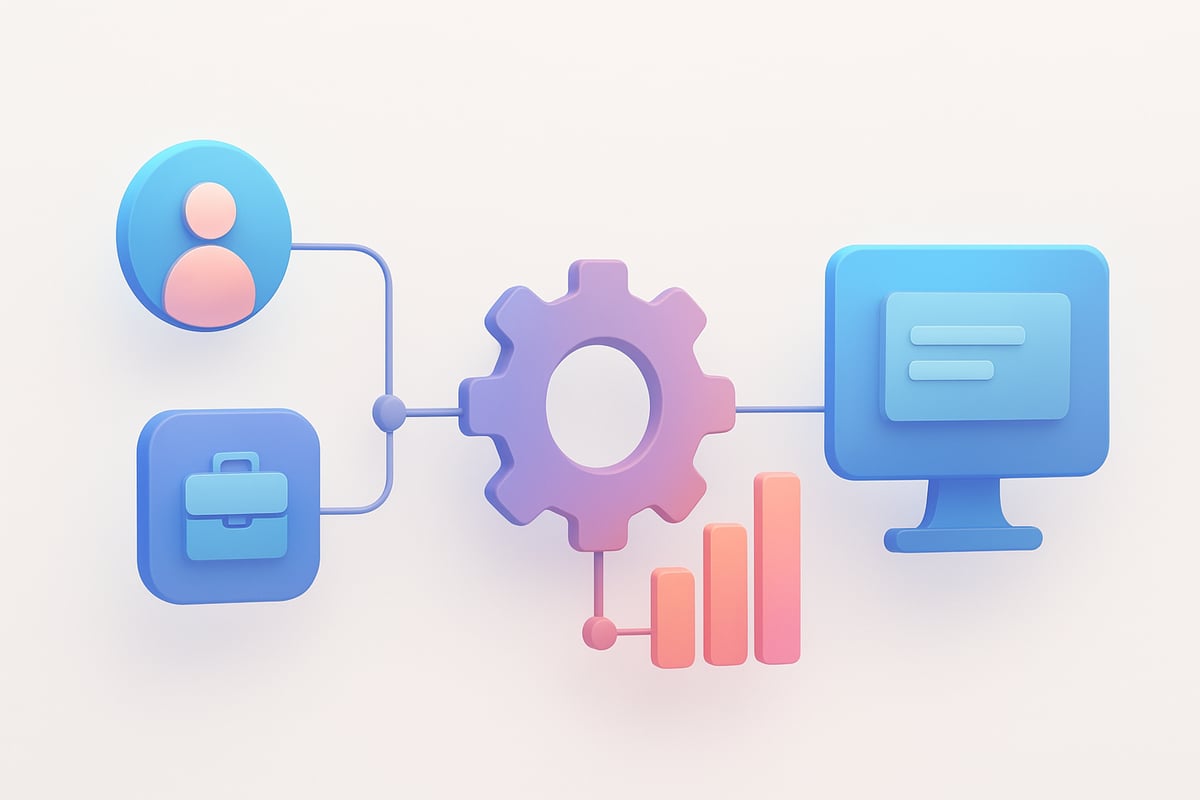
Artificial intelligence is revolutionizing how organizations approach hiring standards. By analyzing thousands of applications in seconds, AI tools can identify candidates who align closely with required skills and experience. This technology enhances both the speed and consistency of screening, reducing manual workload and human error.
A recent industry report found that companies using AI in recruitment achieved a 92% reduction in screening time, allowing hiring teams to focus on deeper candidate engagement. AI-driven shortlisting solutions compare candidate profiles against job requirements, rank applicants, and flag potential matches for recruiters. This not only accelerates the process but also helps enforce unbiased hiring standards by removing personal details that could trigger unconscious bias.
For a deeper look at how AI is transforming recruitment, AI in the Hiring Process provides practical examples and strategies. By embedding AI at the core of their workflows, organizations are setting new benchmarks for efficient, fair, and scalable hiring standards.
Data-Driven Decision Making in Hiring
The adoption of advanced analytics is elevating hiring standards by bringing objectivity and precision to every stage of recruitment. Dashboards and reporting tools provide real-time insights into talent pipelines, candidate fit, and overall process efficiency. These platforms empower HR leaders to make data-backed decisions, minimizing guesswork and maximizing alignment with organizational goals.
Data analytics help reveal trends, such as which sourcing channels yield the most qualified candidates or where bottlenecks occur in the application journey. By tracking metrics like time-to-fill, quality of hire, and diversity ratios, organizations can continuously refine their hiring standards. For instance, analyzing assessment outcomes enables companies to calibrate interview questions and evaluation criteria for greater accuracy.
As recruitment becomes more data-driven, teams are better equipped to forecast workforce needs, allocate resources, and ensure that hiring standards reflect both current demands and future growth. This approach fosters a culture of continuous improvement and strategic talent acquisition.
Enhancing Candidate Experience with Technology
Modern hiring standards place a premium on the candidate experience, recognizing that top talent expects transparency, responsiveness, and personalization. Automation enables organizations to deliver timely updates, acknowledge applications instantly, and provide tailored feedback throughout the process.
Applicant tracking systems and chatbots streamline communication, reducing wait times and uncertainty for candidates. These technologies ensure that every applicant, regardless of outcome, feels respected and informed, which strengthens employer branding and increases the likelihood of future engagement.
Research indicates that organizations investing in technology to improve the candidate journey see higher satisfaction scores and a larger pool of qualified applicants. By integrating automation into every touchpoint, companies can uphold hiring standards that prioritize both efficiency and empathy, setting themselves apart in a crowded talent market.
Building a Diverse and Future-Ready Talent Pipeline
A future-ready workforce depends on robust hiring standards that prioritize diversity, equity, inclusion, and belonging. Organizations that embed DEIB into their hiring standards consistently outperform those that do not, with research showing higher productivity, greater innovation, and improved financial outcomes.
As the talent market evolves, companies must move beyond traditional hiring standards and expand their sourcing strategies. This section explores why diversity matters, how to attract a broader candidate pool, and the best ways to assess and retain talent. By examining proven strategies and real-world examples, you will gain actionable insights to adapt your hiring standards for long-term success.

Sourcing and Attracting Diverse Talent
To build a resilient talent pipeline, organizations must elevate their hiring standards by sourcing candidates from a wider range of backgrounds. This includes leveraging professional networks, engaging with talent communities, and implementing strategic employee referral programs. Expanding beyond traditional channels unlocks access to underrepresented groups and broadens the talent pool.
Employer branding plays a significant role in attracting diverse applicants. Companies that showcase their commitment to DEIB through authentic storytelling and transparent policies are more likely to resonate with candidates seeking inclusive workplaces. According to recent studies, organizations with strong DEIB messaging see up to 30% higher application rates from qualified, diverse candidates.
Proactive outreach is another cornerstone of modern hiring standards. Partnering with universities, community organizations, and industry groups helps tap into new talent streams. For a comprehensive overview of actionable approaches, refer to Diversity Hiring Strategies, which outlines effective methods to attract and retain a diverse workforce.
By embedding DEIB principles into every stage of the sourcing process, companies not only meet evolving hiring standards but also position themselves as employers of choice in a competitive market.
Structured Interviews and Assessment for Equity
Elevating hiring standards requires a shift from subjective evaluations to structured, skills-based assessments. Standardized interview questions, clear assessment rubrics, and diverse interview panels reduce unconscious bias and ensure every candidate is evaluated fairly.
Research indicates that teams selected through structured assessments outperform those chosen via unstructured interviews. Work sample tests and real-world scenarios offer objective insights into both technical and interpersonal abilities. These practices are key to aligning hiring standards with organizational goals for equity and inclusion.
Companies are increasingly using skills-based assessments to validate a candidate’s potential rather than relying solely on education or prior job titles. This aligns with the shift toward a more inclusive definition of qualifications, where adaptability, collaboration, and critical thinking are valued alongside technical expertise.
Implementing structured interviews not only strengthens hiring standards but also improves the candidate experience. Clear criteria and transparent feedback foster trust and encourage a more diverse range of applicants to engage in the process.
Partnering with DEIB Experts and Organizations
To fully modernize hiring standards, collaboration with DEIB experts and external organizations is essential. These partnerships bring specialized knowledge, training, and accountability to the hiring process, helping to identify and address systemic barriers.
Many organizations have seen measurable improvements in diversity outcomes after implementing DEIB-focused training and policy reforms. Consultants can audit job postings, recommend bias mitigation tools, and facilitate workshops for hiring teams. Such initiatives reinforce hiring standards by ensuring compliance with evolving legal and ethical expectations.
Community partnerships also play a vital role. Engaging with advocacy groups, educational institutions, and local networks expands access to high-potential candidates often overlooked by traditional hiring standards. These relationships foster a sense of belonging and support long-term retention.
Ultimately, investing in DEIB partnerships and continuous learning enables organizations to keep their hiring standards ahead of the curve, driving both business performance and a culture of inclusion.
Weighing Soft Skills and Technical Skills Equally
Modern hiring standards have shifted toward a holistic view of talent. Organizations now recognize that technical expertise alone is not enough to drive high performance or innovation. Instead, the most successful teams blend strong technical abilities with essential soft skills such as communication, adaptability, and emotional intelligence. This balanced approach to hiring standards is not only a response to changing workforce dynamics but also a strategic move to future proof organizations.
Assessing Soft Skills in the Hiring Process
Integrating soft skills evaluation into hiring standards is now a top priority for forward-thinking organizations. Behavioral interview questions help uncover how candidates respond to challenges, collaborate with others, and adapt to change. For example, asking candidates to describe a time they resolved a conflict or led a project reveals their emotional intelligence and leadership potential.
Situational assessments and group exercises are also gaining traction within hiring standards. These methods simulate real workplace scenarios, allowing recruiters to observe problem solving, teamwork, and communication in action. Companies are leveraging digital platforms to facilitate these assessments, making the process scalable and consistent.
The rise of AI in recruitment adds another layer to hiring standards. While automation accelerates screening, it is crucial to maintain human connection during soft skill evaluation. According to AI and Human Connection in 2026 Work Trends, organizations that combine technology with personal interaction create a more balanced and accurate hiring process. This approach ensures that both technical and soft skills receive equal attention, leading to stronger, more resilient teams.
Updating Job Requirements and Performance Criteria
To reflect evolving hiring standards, companies are redefining job descriptions and success metrics. Modern job postings now emphasize collaboration, adaptability, and problem solving alongside technical requirements. This change signals to candidates that soft skills are valued equally, encouraging a broader, more diverse range of applicants.
Performance reviews are also adapting to new hiring standards. Instead of focusing solely on technical achievements, organizations now assess how employees communicate, lead, and contribute to team culture. These criteria align with research showing that teams with strong soft skills consistently outperform those that rely only on technical expertise.
Mentorship, teamwork, and initiative are increasingly recognized as predictors of long term success. By embedding these competencies into hiring standards and evaluation frameworks, organizations set clear expectations for both new hires and existing staff. This holistic approach not only attracts top talent but also drives engagement and retention in a rapidly evolving workplace. As highlighted in Gen Z Hiring Practices, the newest generation of workers expects employers to value both technical and interpersonal strengths, making balanced hiring standards essential for future readiness.
Step-by-Step Guide to Implementing Modern Hiring Standards
Implementing modern hiring standards requires a clear, structured approach. The following step-by-step guide provides actionable strategies to help your organization align with the demands of 2026 and secure top talent. Each step is designed to ensure your hiring process is inclusive, efficient, and future-ready.
Step 1: Audit and Update Job Descriptions
Begin by reviewing all current job postings for alignment with updated hiring standards. Focus on using inclusive language, emphasizing skills over degrees, and ensuring accessibility for all candidates. Replace jargon or outdated requirements with clear, concise qualifications that reflect actual job needs.
Assess whether your descriptions welcome diverse applicants and are free from bias. Utilize checklists to verify that your job ads are compliant with legal standards and represent your employer brand effectively. A well-crafted job description is the foundation of a successful hiring process.
Step 2: Integrate Technology and Automation
Evaluate your recruitment technology stack to ensure it supports modern hiring standards. Implement applicant tracking systems, AI-driven screening tools, and automation solutions to streamline candidate sourcing and assessment.
Select vendors based on scalability, integration with existing platforms, and data privacy compliance. According to the iCIMS 2025 Insights Report, organizations using advanced recruitment technology have seen significant improvements in efficiency and candidate experience. Effective technology adoption sets the stage for a more agile and scalable hiring process.
Step 3: Train Hiring Teams on Legal and Ethical Standards
Develop comprehensive training programs for recruiters and hiring managers to ensure adherence to current hiring standards. Cover topics such as anti-discrimination laws, data privacy regulations, and inclusive interviewing techniques.
Training should emphasize recognizing and mitigating bias, as well as understanding evolving legal requirements. Provide ongoing education to keep teams informed about new developments in employment law and ethical best practices. Well-trained teams are essential for consistent and fair hiring outcomes.
Step 4: Build and Nurture a Diverse Talent Pipeline
Establish partnerships with professional organizations, universities, and community groups to expand your reach. Proactively engage with talent networks and leverage employer branding to attract candidates from varied backgrounds.
Ongoing outreach, mentorship programs, and employee referrals can strengthen the diversity of your candidate pool. For strategies tailored to Gen Z and skills-based hiring, refer to the LinkedIn Guide to Recruiting Gen Z, which highlights the importance of inclusive hiring standards and DEI initiatives for attracting the next generation of talent.
Step 5: Implement Structured and Skills-Based Assessments
Adopt objective, standardized evaluation methods to ensure your hiring standards prioritize both technical and soft skills. Use structured interviews, work sample tests, and assessment rubrics to reduce bias and improve consistency.
Provide hiring teams with templates and sample questions that focus on real-world scenarios and essential competencies. This approach leads to better hiring decisions and supports the development of high-performing, future-ready teams.
Step 6: Monitor, Analyze, and Optimize Hiring Outcomes
Establish analytics dashboards to track key hiring metrics, such as time-to-hire, candidate experience, and diversity outcomes. Regularly review data to identify trends, strengths, and areas for improvement.
Solicit feedback from candidates and hiring teams to refine your process. Continuous analysis and optimization ensure your hiring standards evolve with the changing workforce landscape, driving sustained organizational success.


