
March 8, 2026
Talent Acquisition Manager Job Description Guide 2026

The role of a talent acquisition manager has evolved significantly in recent years, transforming from traditional recruitment oversight to strategic workforce planning and employer brand stewardship. Organizations seeking to fill this critical position must understand the multifaceted nature of the role and craft a comprehensive job description that attracts experienced professionals capable of driving recruitment excellence. A well-structured job description talent acquisition manager posting serves as the foundation for finding leaders who can navigate competitive labor markets, implement innovative sourcing strategies, and build high-performing recruitment teams that deliver measurable results.
Understanding the Strategic Importance of Talent Acquisition Leadership
Talent acquisition managers occupy a unique position within organizational hierarchies, bridging the gap between human resources strategy and operational execution. These professionals design comprehensive recruitment frameworks that align with business objectives while ensuring seamless candidate experiences throughout the hiring journey.
The modern job description talent acquisition manager must reflect the strategic nature of this position. Rather than focusing solely on filling open positions, talent acquisition managers develop long-term workforce planning initiatives that anticipate future talent needs. They analyze market trends, identify skill gaps, and create proactive sourcing strategies that position their organizations ahead of competitors in the war for talent.
When developing a job description talent acquisition manager framework, organizations should emphasize the analytical and strategic dimensions of the role. According to detailed responsibilities outlined by career development professionals, talent acquisition managers must possess the ability to evaluate current recruitment practices, identify improvement opportunities, and implement data-driven solutions that enhance hiring outcomes.
Modern recruitment technology has fundamentally changed how talent acquisition managers operate. Platforms like AI tools for talent acquisition enable these leaders to automate routine screening tasks, allowing them to focus on strategic initiatives such as building talent pipelines and cultivating relationships with passive candidates. This technological shift should be reflected in contemporary job descriptions that emphasize digital literacy and comfort with recruitment automation.
Core Responsibilities That Define the Role
The responsibilities section forms the heart of any job description talent acquisition manager posting. This component must clearly articulate the scope of duties while providing insight into daily activities and long-term expectations.
Developing and executing comprehensive talent acquisition strategies represents the primary responsibility for managers in this role. This includes conducting workforce planning analyses, forecasting hiring needs across departments, and creating recruitment roadmaps that support organizational growth. Talent acquisition managers must align these strategies with broader business objectives, ensuring recruitment efforts contribute directly to company success.
Managing the complete recruitment lifecycle demands significant attention and expertise. From requisition approval through offer acceptance and onboarding coordination, talent acquisition managers oversee every stage of the hiring process. They establish standardized procedures that ensure consistency, reduce time-to-hire metrics, and maintain compliance with employment regulations. The University of Michigan's talent acquisition manager responsibilities highlight the importance of this comprehensive oversight function.
Leading and developing recruitment teams constitutes another critical responsibility. Talent acquisition managers hire, train, and mentor recruiters and coordinators, fostering professional growth while maintaining high performance standards. They distribute workloads effectively, provide constructive feedback, and create collaborative environments where team members can excel.
Building and maintaining employer brand presence across multiple channels requires continuous effort and creative thinking. Talent acquisition managers craft compelling employer value propositions, develop recruitment marketing campaigns, and manage relationships with universities, professional organizations, and industry groups. These activities position organizations as employers of choice within competitive talent markets.
Establishing relationships with hiring managers across departments ensures recruitment efforts align with actual team needs. Talent acquisition managers serve as strategic advisors, helping hiring managers define role requirements, establish realistic expectations, and participate effectively in selection processes. This partnership approach improves hiring outcomes and strengthens internal stakeholder satisfaction.
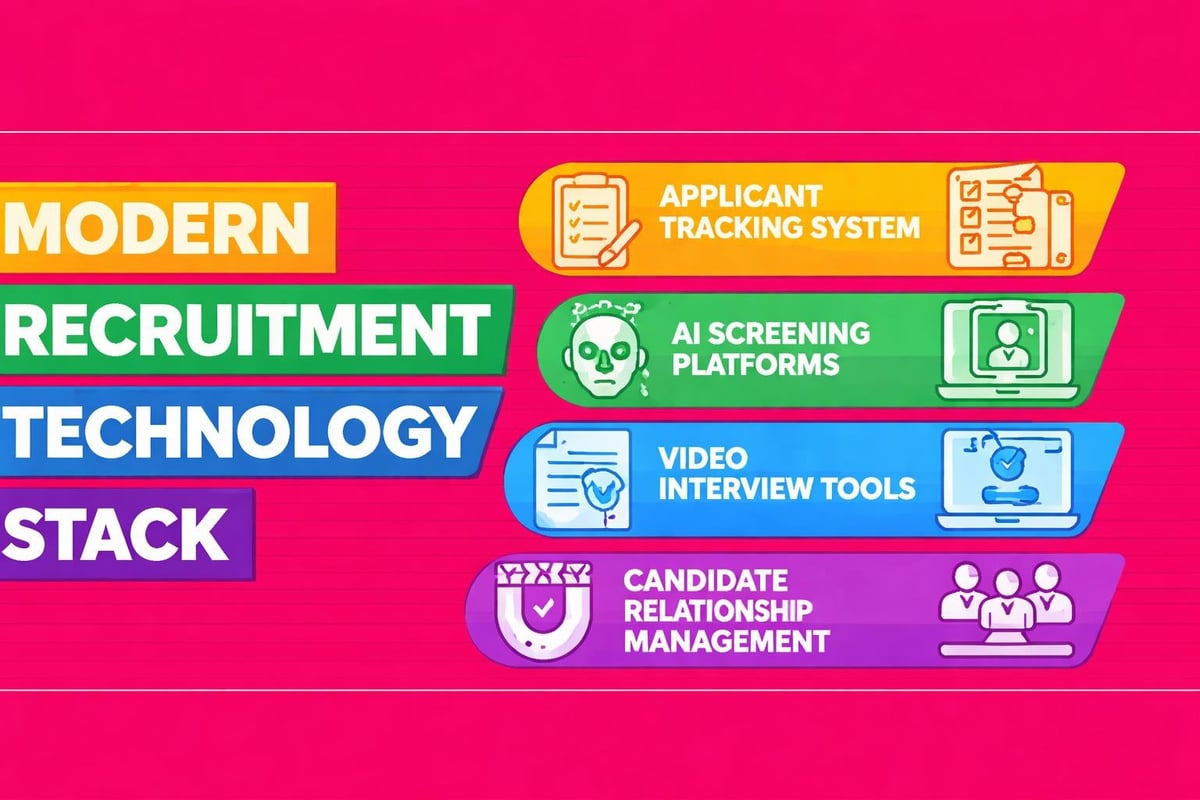
Implementing and optimizing recruitment technology platforms represents an increasingly important responsibility. Talent acquisition managers evaluate applicant tracking systems, resume screening software, and other recruitment tools to ensure their organizations leverage technology effectively. They lead system implementations, train team members on new platforms, and continuously assess technology performance.
Essential Qualifications and Experience Requirements
When crafting a job description talent acquisition manager specification, organizations must balance aspirational requirements with realistic market availability. The qualifications section should establish clear minimum standards while indicating preferred attributes that distinguish exceptional candidates.
Educational background typically includes a bachelor's degree in human resources, business administration, psychology, or related fields. Some organizations prefer candidates with master's degrees in human resources management or business administration, particularly for senior talent acquisition manager positions overseeing large teams or complex recruitment operations.
Professional experience requirements generally range from five to eight years in recruitment or talent acquisition, with at least two to three years in supervisory or management roles. This experience should demonstrate progressive responsibility, including successful team leadership, strategic planning involvement, and measurable improvements in recruitment outcomes.
Certification credentials add credibility and demonstrate commitment to professional development. Many organizations value certifications such as the Society for Human Resource Management Certified Professional or Senior Certified Professional designations, the Talent Acquisition Strategist certification, or LinkedIn Recruiter certifications. While not always mandatory, these credentials signal expertise and dedication to recruitment excellence.
Technical proficiency with applicant tracking systems and recruitment technologies has become essential. Talent acquisition managers must navigate complex software platforms, analyze recruitment data, and leverage AI-powered recruitment tools to enhance efficiency. The job description talent acquisition manager should explicitly mention required technical skills to attract candidates comfortable with digital transformation.
Industry-specific experience may be necessary for certain sectors with unique talent challenges. Healthcare organizations, technology companies, financial services firms, and other specialized industries often prefer talent acquisition managers with relevant sector knowledge who understand industry-specific certifications, regulatory requirements, and competitive dynamics.
Critical Skills and Competencies for Success
Beyond formal qualifications, successful talent acquisition managers possess a distinctive blend of hard and soft skills that enable them to excel in demanding environments. The skills section of a job description talent acquisition manager posting should comprehensively address these competencies.
Strategic thinking and business acumen enable talent acquisition managers to align recruitment activities with organizational objectives. They must understand how talent decisions impact company performance, anticipate future workforce needs, and develop proactive strategies that position their organizations for sustainable growth. This requires analytical capabilities, market awareness, and the ability to translate business strategies into recruitment plans.
Data analysis and metrics-driven decision making have become fundamental to modern talent acquisition. Managers must track key performance indicators including time-to-fill, cost-per-hire, quality-of-hire metrics, and source effectiveness. They analyze this data to identify trends, optimize processes, and demonstrate recruitment's return on investment to executive leadership. Resources like comprehensive job description templates emphasize the importance of these analytical capabilities.
Communication excellence across multiple audiences distinguishes exceptional talent acquisition managers. They must articulate recruitment strategies to executive teams, provide guidance to hiring managers, deliver feedback to candidates, and inspire their recruitment teams. Both written and verbal communication skills matter, as managers create job postings, present recruitment updates, and negotiate employment offers.
Relationship building and stakeholder management ensure talent acquisition managers maintain productive partnerships across their organizations. They cultivate trust with hiring managers, collaborate with human resources colleagues, partner with marketing teams on employer branding, and engage external vendors and recruitment partners. These relationships directly influence recruitment effectiveness and organizational credibility.
Project management capabilities help talent acquisition managers juggle multiple priorities simultaneously. They oversee numerous requisitions at various stages, coordinate campus recruitment events, manage technology implementations, and lead process improvement initiatives. Strong organizational skills, attention to detail, and the ability to meet deadlines under pressure prove essential.
Change management expertise supports talent acquisition managers as they introduce new recruitment methodologies, implement innovative technologies, or restructure team operations. They must overcome resistance, build consensus, and guide teams through transitions while maintaining recruitment productivity. This skill becomes particularly important as organizations adopt recruiting automation tools that transform traditional workflows.
Compensation Structure and Benefits Considerations
While compensation details may not always appear in external job postings, internal job description talent acquisition manager documents should address pay ranges and benefits packages to ensure consistency and transparency throughout the hiring process.
Base salary ranges for talent acquisition managers vary considerably based on geographic location, organization size, industry sector, and experience level. As of 2026, talent acquisition managers in major metropolitan areas typically earn between eighty-five thousand and one hundred forty thousand dollars annually, with senior managers in large corporations or specialized industries commanding higher compensation. According to detailed role insights, these figures reflect the strategic value organizations place on recruitment leadership.
Performance-based incentive compensation increasingly supplements base salaries for talent acquisition managers. Organizations structure bonuses around metrics such as positions filled, time-to-fill improvements, candidate quality scores, or employee retention rates. These incentives align talent acquisition activities with business outcomes and reward managers who deliver exceptional results.
Benefits packages for talent acquisition managers typically mirror those offered to other management-level positions within organizations. Comprehensive health insurance, retirement plan contributions with employer matching, paid time off, professional development allowances, and flexible work arrangements represent standard offerings. Some organizations provide additional perks such as relocation assistance, tuition reimbursement, or membership fees for professional associations.
Equity compensation may be available in startup environments or publicly traded companies where stock options or restricted stock units form part of executive compensation strategies. These arrangements help attract talent acquisition leaders who can contribute to long-term organizational growth and align their interests with shareholder value creation.
Aligning Job Descriptions with Recruitment Technology Evolution
The rapid advancement of recruitment technology necessitates regular updates to job description talent acquisition manager specifications. Organizations must ensure their job descriptions reflect current technological expectations and future innovation trajectories.
Artificial intelligence integration has fundamentally transformed talent acquisition processes. Modern talent acquisition managers must understand how AI analyzes candidate qualifications, predicts hiring success, and identifies potential biases in recruitment decisions. They should feel comfortable evaluating AI-powered platforms, interpreting algorithm outputs, and ensuring technology enhances rather than replaces human judgment. The strategic overview provided by recruitment software experts underscores this technological shift.
Candidate relationship management systems extend beyond traditional applicant tracking platforms, enabling talent acquisition managers to nurture passive candidate relationships over extended periods. Job descriptions should acknowledge the importance of managing these sophisticated systems that track candidate interactions, automate communication sequences, and maintain engagement with talent communities.
Video interviewing platforms, assessment technologies, and virtual recruitment events have become standard components of modern talent acquisition. The pandemic accelerated adoption of these tools, and they remain essential even as some organizations return to hybrid work models. Talent acquisition managers must coordinate virtual recruitment activities, ensure equitable candidate experiences across digital platforms, and maintain engagement despite physical distance.
Analytics dashboards and business intelligence tools provide talent acquisition managers with real-time visibility into recruitment performance. Job descriptions should reflect the expectation that managers will monitor these systems, identify performance trends, and make data-informed adjustments to recruitment strategies. This analytical orientation separates strategic talent acquisition leaders from transactional recruiters.
Industry-Specific Variations in Role Expectations
While core responsibilities remain consistent across sectors, industry context significantly influences job description talent acquisition manager requirements. Organizations should tailor their job descriptions to reflect sector-specific challenges and opportunities.
Technology companies often emphasize technical recruiting expertise, understanding of engineering roles, and familiarity with competitive compensation structures for software developers and data scientists. Talent acquisition managers in this sector must build relationships with coding bootcamps, navigate visa sponsorship processes for international talent, and create compelling value propositions that compete with startup culture and established tech giants.
Healthcare organizations require talent acquisition managers who understand clinical credentials, licensing requirements, and the unique challenges of recruiting physicians, nurses, and allied health professionals. These managers often coordinate with medical staff offices, navigate credentialing processes, and develop recruitment strategies that address critical shortages in specialized medical fields.
Financial services firms prioritize talent acquisition managers with knowledge of regulatory compliance, securities licensing, and the distinctive culture of banking and investment organizations. These professionals must balance client-facing role requirements with back-office technical positions while maintaining strict adherence to employment regulations in highly scrutinized industries.
Manufacturing and industrial companies need talent acquisition managers who can recruit skilled trades workers, engineers, and operations professionals. These managers often develop apprenticeship programs, partner with vocational schools, and create recruitment strategies that address demographic shifts in manufacturing workforces. Understanding union relationships and collective bargaining agreements may be necessary in certain manufacturing environments.
Retail and hospitality organizations require talent acquisition managers skilled in high-volume recruitment, seasonal hiring surges, and distributed workforce management. These professionals must develop efficient screening processes, coordinate hiring across multiple locations, and create recruitment strategies that maintain quality despite rapid hiring timelines. Resources like best ATS for small business can support these high-volume recruitment needs.
Reporting Relationships and Organizational Positioning
The organizational structure section of a job description talent acquisition manager posting clarifies reporting relationships and establishes the position within the broader human resources hierarchy. This clarity helps candidates understand career progression opportunities and decision-making authority.
Direct reporting relationships typically position talent acquisition managers under chief human resources officers, vice presidents of human resources, or directors of talent acquisition in larger organizations. This reporting structure ensures recruitment strategies align with overall human resources initiatives and receive appropriate executive visibility. Some organizations position talent acquisition as a standalone function reporting directly to chief operating officers or chief executive officers, reflecting recruitment's strategic importance.
Dotted-line relationships may exist with business unit leaders, particularly in matrixed organizations where talent acquisition managers support specific divisions or geographic regions. These relationships facilitate close collaboration between talent acquisition and hiring managers while maintaining centralized recruitment oversight and consistency.
Team size and composition vary dramatically across organizations. Small companies may have talent acquisition managers overseeing one or two recruiters, while enterprise organizations might assign managers to lead teams of fifteen or more recruitment professionals including specialized sourcers, coordinators, and employment brand specialists. The job description talent acquisition manager should specify expected team size to help candidates assess management scope.
Cross-functional collaboration requirements extend beyond direct reports to include partnerships with compensation teams, employee relations specialists, diversity and inclusion leaders, and learning and development professionals. Talent acquisition managers must navigate these relationships effectively, understanding how recruitment intersects with other human resources functions. Detailed templates from recruitment resource providers illustrate these collaborative expectations.
Performance Metrics and Success Indicators
Establishing clear performance expectations within job description talent acquisition manager documents helps candidates understand how their success will be measured and provides accountability frameworks for ongoing performance management.
Time-to-fill metrics measure the duration between requisition approval and offer acceptance, providing insight into recruitment process efficiency. Talent acquisition managers work to reduce these timelines without sacrificing candidate quality, balancing speed with thoroughness. Industry benchmarks vary by role complexity, but continuous improvement expectations remain consistent.
Quality-of-hire assessments evaluate new employee performance, retention rates, and manager satisfaction with recruited talent. These metrics prove more challenging to measure than activity-based indicators but provide crucial insight into recruitment effectiveness. Talent acquisition managers must develop systematic approaches to capturing quality data and incorporating feedback into recruitment refinement.
Cost-per-hire calculations aggregate all recruitment expenses including advertising costs, recruiter salaries, technology subscriptions, agency fees, and candidate travel expenses divided by total hires. Talent acquisition managers optimize these costs through strategic sourcing channel investments, technology leverage, and process improvements that reduce dependency on expensive external recruitment agencies.
Source effectiveness analysis identifies which recruitment channels deliver the highest quality candidates at the lowest cost. Talent acquisition managers track applicant sources, conversion rates through each hiring stage, and ultimate hire outcomes by source. This analysis guides investment decisions and helps managers allocate resources to the most productive recruitment channels.
Candidate satisfaction scores gathered through surveys and feedback mechanisms reveal how applicants perceive the recruitment process. Talent acquisition managers monitoring these metrics identify friction points, communication gaps, and experience shortfalls that might discourage top talent from accepting offers or damage employer reputation in talent markets.
Diversity hiring metrics track representation improvements across demographic dimensions including gender, ethnicity, veteran status, and disability inclusion. Talent acquisition managers develop targeted sourcing strategies, partnership programs, and interview process modifications that advance diversity objectives while maintaining merit-based selection standards. Modern job descriptions from leading talent acquisition resources emphasize these diversity imperatives.
Career Development and Growth Trajectories
Progressive organizations include career development information within job description talent acquisition manager materials, demonstrating commitment to employee growth and helping candidates envision long-term opportunities.
Entry points into talent acquisition management typically involve progression from senior recruiter or recruitment team lead positions. Professionals demonstrating exceptional performance, strategic thinking, and leadership potential advance into management roles after establishing strong recruitment track records and developing comprehensive understanding of talent acquisition functions.
Lateral development opportunities may include transitions into related human resources specializations such as organizational development, compensation and benefits, employee relations, or human resources business partner roles. The skills talent acquisition managers develop including stakeholder management, data analysis, and strategic planning transfer effectively to these adjacent functions.
Vertical advancement pathways lead toward director of talent acquisition, vice president of talent acquisition, or chief talent officer positions overseeing enterprise-wide recruitment functions. These senior roles require demonstrated ability to develop comprehensive talent strategies, manage large teams, influence executive decision-making, and drive measurable business outcomes through talent acquisition excellence.
Alternative career trajectories might include consulting roles advising organizations on recruitment best practices, vendor positions with recruitment technology companies or staffing agencies, or entrepreneurial ventures launching recruitment process outsourcing firms. The expertise talent acquisition managers develop creates diverse opportunities beyond traditional corporate human resources careers.
Professional development expectations outlined in job descriptions signal organizational investment in manager growth. This might include conference attendance, certification program support, executive coaching, leadership development programs, or tuition assistance for advanced degrees. Organizations committed to talent acquisition excellence understand that developing their recruitment leaders strengthens overall recruitment capabilities.
Remote Work and Flexible Arrangement Considerations
The transformation of work arrangements since 2020 has permanently altered talent acquisition management approaches. Contemporary job description talent acquisition manager postings must address work location flexibility and remote team management expectations.
Hybrid work models allowing talent acquisition managers to split time between office and remote locations have become increasingly common. These arrangements provide flexibility while maintaining periodic in-person collaboration for team meetings, hiring manager consultations, and candidate interviews. Job descriptions should specify expected office presence, whether certain days per week or percentage of time.
Fully remote talent acquisition manager positions expand candidate pools beyond geographic constraints while introducing unique management challenges. Managers leading distributed recruitment teams must excel at virtual communication, remote team building, and asynchronous collaboration. They leverage video conferencing, project management platforms, and digital communication tools to maintain team cohesion and productivity.
Travel requirements deserve explicit mention in job descriptions, particularly for roles supporting multiple office locations, conducting university recruitment visits, or attending industry conferences. Candidates need clear expectations regarding travel frequency and duration to assess role compatibility with personal circumstances.
Technology infrastructure supporting remote work includes reliable internet connectivity, video conferencing capabilities, secure access to recruitment systems, and digital collaboration tools. Organizations should ensure talent acquisition managers receive appropriate equipment and technical support to perform effectively regardless of physical location. Insights from recruitment technology specialists highlight these infrastructure requirements.
Employer Branding and Recruitment Marketing Responsibilities
Modern talent acquisition extends far beyond filling open positions to encompass comprehensive employer brand development and strategic recruitment marketing. The job description talent acquisition manager should reflect these expanded responsibilities that shape organizational reputation in talent markets.
Employer value proposition development requires talent acquisition managers to articulate what makes their organizations attractive to potential employees. They synthesize employee feedback, competitive intelligence, and organizational culture attributes into compelling narratives that resonate with target talent segments. This foundational work informs all subsequent recruitment marketing activities.
Content creation for career sites, social media channels, and recruitment campaigns falls within talent acquisition manager purview. They collaborate with marketing teams to produce authentic employee stories, showcase workplace culture, and highlight career development opportunities. This content attracts passive candidates who might not actively seek new opportunities but remain open to compelling propositions.
University relations programs building talent pipelines from educational institutions require sustained effort and relationship cultivation. Talent acquisition managers coordinate campus recruitment events, internship programs, and early career initiatives that introduce students to organizational opportunities. These programs require long-term investment but yield strong returns through consistent new graduate hiring.
Diversity recruitment partnerships with professional organizations, community groups, and affinity networks expand candidate reach into underrepresented talent communities. Talent acquisition managers develop authentic relationships with these organizations, sponsor events, and create inclusive recruitment processes that welcome diverse candidates. According to contemporary role definitions, these diversity initiatives have become central to talent acquisition manager responsibilities.
Employee referral program management leverages existing workforce networks to identify qualified candidates. Talent acquisition managers design incentive structures, communicate program benefits, and make referral submission easy for employees. Strong referral programs reduce recruitment costs while improving candidate quality through employee vetting.
Crafting a comprehensive job description talent acquisition manager posting requires careful attention to strategic responsibilities, essential qualifications, critical competencies, and performance expectations that define this multifaceted role. Organizations that invest time developing detailed, accurate job descriptions attract qualified candidates who understand role requirements and can deliver measurable recruitment excellence. For companies seeking to optimize their talent acquisition processes and empower their recruitment leaders with cutting-edge technology, Klearskill provides AI-powered recruitment software that analyzes candidate CVs and delivers ranked shortlists in moments, enabling talent acquisition managers to focus on strategic initiatives while technology handles time-consuming screening tasks.


