
December 27, 2025
Job Driven Guide: Strategies for Success in 2026

The job market is transforming at an unprecedented pace, challenging professionals to keep up or risk being left behind. In 2026, adopting a job driven mindset is not just an advantage, it is essential for long-term career growth. This guide offers a clear roadmap for navigating the future of work with confidence. You will uncover key job-driven trends, learn which skills matter most, discover how to leverage technology, and master the art of professional networking. Ready to future-proof your career? Let us dive into practical strategies that turn ambition into real-world success.
Understanding the Job-Driven Market in 2026
The job-driven market in 2026 is evolving faster than ever, challenging professionals to rethink how they approach career growth. Adaptability is now a non-negotiable trait. The traditional path of relying solely on degrees is giving way to a landscape where skills, agility, and continuous learning shape success.
A defining characteristic of the job-driven era is its rapid embrace of automation and artificial intelligence. These technologies are not just transforming technical fields, but are also reshaping roles in finance, healthcare, manufacturing, and customer service. According to the World Economic Forum, over 85 million jobs may be displaced by automation, while 97 million new roles are expected to emerge, many requiring a blend of digital and human skills. As a result, professionals must remain alert to shifts in the job driven market, ready to pivot as new opportunities arise.
Remote and hybrid work models have become the norm, offering unprecedented flexibility. By 2026, experts anticipate that up to 60% of employees will work at least part-time remotely, with organizations rethinking their real estate footprints and collaboration strategies. This shift is not just about where people work, but how they work. Companies now prioritize results over hours spent in the office, rewarding self-management, digital fluency, and proactive communication.
Certain industries are poised for remarkable growth in this job driven climate. Technology, healthcare, and green energy stand out as top performers. Tech roles in data science, cybersecurity, and cloud computing are in high demand, while healthcare continues to expand due to population aging and telemedicine adoption. The green energy sector is also booming, driven by global sustainability goals and investment in renewable infrastructure. Recent labor market outlooks highlight these sectors as key engines for job creation through 2026.
Flexibility is not limited to work location. Hybrid models, flexible hours, and project-based contracts are redefining employment. The World Economic Forum reports that employers are increasingly open to hiring globally, valuing talent over geography. This opens doors for job driven professionals who are willing to upskill and embrace new work arrangements.
A major shift is underway from traditional degree-based hiring to skills-based evaluation. Employers are placing greater emphasis on specialized skills, such as coding, data analysis, and project management. Companies like IBM, Google, and Tesla have publicly removed degree requirements from many job postings, focusing instead on proven competencies and practical experience. This move towards skills-based hiring rewards those who invest in building relevant abilities, regardless of their educational background.
Continuous learning is a central theme in the job driven market. Upskilling and reskilling are essential to remain competitive, as roles and required skills evolve quickly. Micro-credentials, online certifications, and bootcamps offer accessible pathways for professionals to demonstrate their expertise and keep pace with industry changes.
Global events and economic shifts continue to influence employer expectations. The pandemic accelerated digital transformation, while geopolitical tensions and supply chain disruptions have made resilience and adaptability more valuable than ever. Employers now seek candidates who not only possess technical skills but also adaptability, problem-solving, and the ability to navigate uncertainty.
In summary, understanding the job driven market in 2026 means recognizing that adaptability, continuous learning, and a focus on in-demand skills are the keys to career success. By staying alert to these trends and proactively investing in skill development, professionals can thrive in a rapidly changing world.

Essential Skills and Competencies for a Job-Driven Future
The job driven market of 2026 is transforming what it means to thrive professionally. Success now depends on a blend of digital expertise, critical thinking, and human-centric abilities that go beyond traditional job requirements.
Professionals are discovering that staying relevant requires constant growth. Employers are prioritizing not only technical prowess, but also adaptability, creativity, and emotional intelligence. Studies from the World Economic Forum highlight that analytical thinking, resilience, and digital literacy will be among the most sought-after skills in the coming years.
Lifelong learning, micro-credentials, and a commitment to adapting are essential for anyone seeking a competitive edge. The job driven landscape is not just about keeping up—it is about leading through innovation and continuous improvement.

Building Digital and Technical Skills
The foundation of a job driven future begins with digital and technical expertise. As automation and AI reshape workplaces, data analysis, coding, and cybersecurity have emerged as the most in-demand skills. According to the World Economic Forum, roles requiring advanced digital literacy are projected to grow twice as fast as average.
Professionals who master these areas position themselves at the forefront of innovation. Coding languages, cloud computing, and machine learning are now considered essential knowledge, not just for tech roles, but across industries. Employers increasingly value candidates who can interpret data and use digital tools to solve complex problems.
This shift has led to a rise in micro-credentials and online certifications. Platforms like Coursera, edX, and LinkedIn Learning provide accessible pathways to upskilling for the job driven workforce. Engineers, marketers, and healthcare professionals alike are using these resources to stay ahead.
The move toward skills-based hiring is transforming recruitment. Companies now assess candidates' abilities through practical tests and project portfolios, rather than relying solely on degrees. For a deeper understanding, explore the skills-based hiring trends shaping the job market.
Continuous learning is no longer optional. Professionals who regularly refresh their technical skills are more adaptable to change and better prepared for new opportunities in a job driven world.
Strengthening Soft and Transferable Skills
Technical knowledge alone is not enough in a job driven environment. Employers are now placing equal importance on soft skills such as communication, leadership, and collaboration. Research from McKinsey reveals that organizations with strong soft skill development report higher productivity and innovation.
Emotional intelligence and adaptability are particularly valuable. These qualities enable professionals to navigate uncertainty, build trust, and lead teams through change. Creative problem-solving and resilience help individuals respond effectively to shifting priorities and market disruptions.
Transferable skills, like critical thinking and teamwork, allow professionals to move smoothly between roles and industries. Those who combine technical ability with strong interpersonal skills are more versatile and competitive in the job driven market.
Lifelong learning extends beyond technical courses. Participating in workshops, seeking mentorship, and engaging in peer feedback can all strengthen soft skills. As organizations embrace diversity, equity, and inclusion, being able to work effectively in diverse teams is increasingly essential.
By investing in both digital and human-centric competencies, professionals ensure they remain relevant, resilient, and ready for the evolving demands of a job driven future.
Leveraging Technology for Career Advancement
The job driven market in 2026 demands that professionals harness the power of technology to remain competitive. Rapid innovation is reshaping how candidates find, secure, and grow in their roles. By integrating digital tools into your career strategy, you can stand out in a crowded field and adapt quickly to new opportunities.
Digital platforms are now essential for building a job driven personal brand. Sites like LinkedIn and GitHub allow professionals to showcase their achievements and connect with hiring managers globally. Virtual interviews and online networking events have become standard, enabling job seekers to reach employers across borders. Digital portfolios offer tangible proof of skills, making it easier to demonstrate value in a job driven environment.
Online learning platforms have revolutionized upskilling, providing access to industry-relevant courses at any time. Remote work tools, including video conferencing and collaboration software, ensure productivity regardless of location. Managing your digital reputation is now critical, as employers often review online profiles before making hiring decisions. To stay ahead, you must regularly update your professional presence and engage with key industry trends.
Utilizing AI and Recruitment Tools
AI-driven job platforms are transforming the job driven search process for both candidates and employers. These tools use sophisticated algorithms to match applicants with roles based on skills, experience, and cultural fit. According to industry data, AI-powered recruitment can reduce the time to hire by up to 30 percent, while increasing the accuracy of candidate selection.
Recruiters are increasingly relying on data analytics to identify top talent efficiently. Automated systems scan resumes, analyze keywords, and rank candidates, ensuring a fair and systematic approach. For job seekers, this means tailoring applications using relevant keywords and skills is crucial to being noticed.
Virtual interviews powered by AI provide unbiased assessments, helping employers focus on potential rather than background alone. Companies also use digital assessments to evaluate soft skills and technical abilities, further aligning hiring with job driven requirements. For more in-depth insights on integrating these tools, explore AI-powered recruitment strategies and how they enhance efficiency in a job driven market.
How AI Recruitment Platforms Like Klearskill Transform Job Search
Platforms like Klearskill leverage AI to analyze CVs and match candidates to roles quickly and accurately. The software streamlines initial screening, cutting time spent on manual review and reducing unconscious bias. Studies show that AI-based solutions can improve screening accuracy by up to 40 percent, enabling job driven professionals to reach the right opportunities faster.
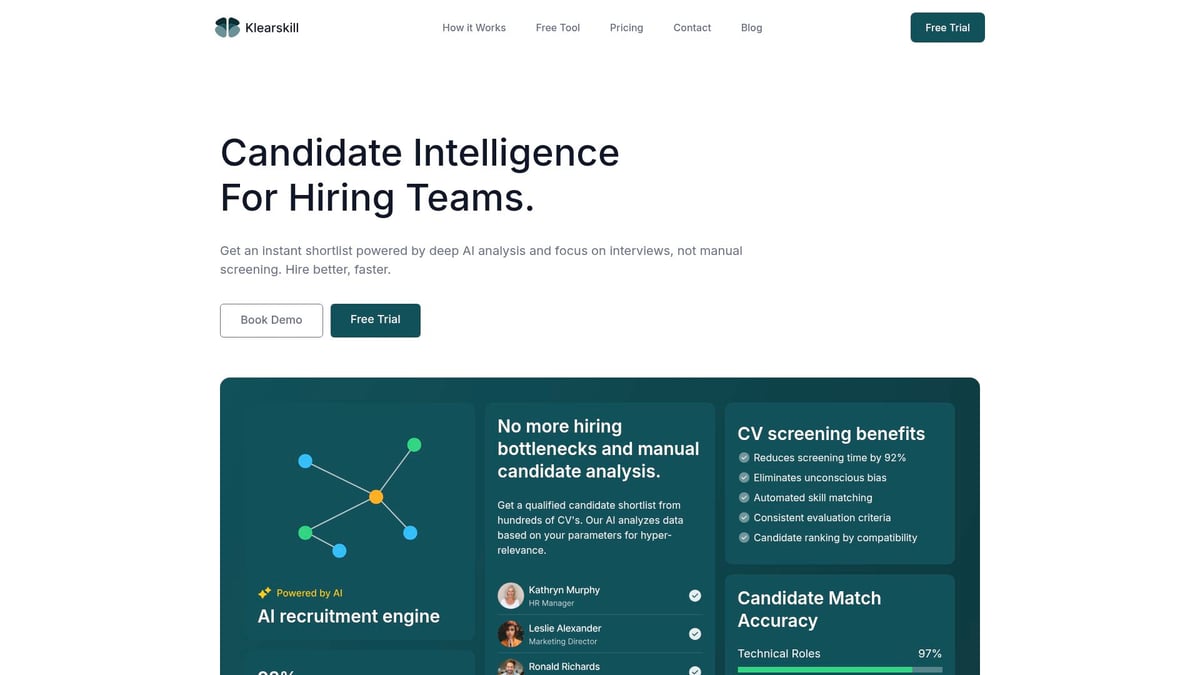
For employers, Klearskill simplifies the hiring process, while job seekers gain a competitive edge by being shortlisted based on real skills. This approach ensures that your unique capabilities are matched to positions where you can excel, making the job driven journey more efficient and equitable.
Digital reputation management is another vital aspect of a job driven career. Regularly updating your LinkedIn profile, curating a portfolio of completed projects, and engaging with industry content all contribute to a strong online presence. Use collaboration tools to participate in virtual communities and showcase your expertise.
To optimize your profiles, use clear, professional photos, highlight measurable achievements, and seek endorsements from colleagues. Monitor your digital footprint by searching your name online and addressing outdated or irrelevant information. Stay active on platforms relevant to your field, sharing insights and participating in discussions to build credibility.
Embracing technology is essential for advancing in a job driven market. By leveraging AI-powered tools, maintaining a dynamic digital brand, and continually learning, you position yourself for long-term career success. Make technology your ally and turn every digital interaction into an opportunity for growth.
Building a Robust Professional Network
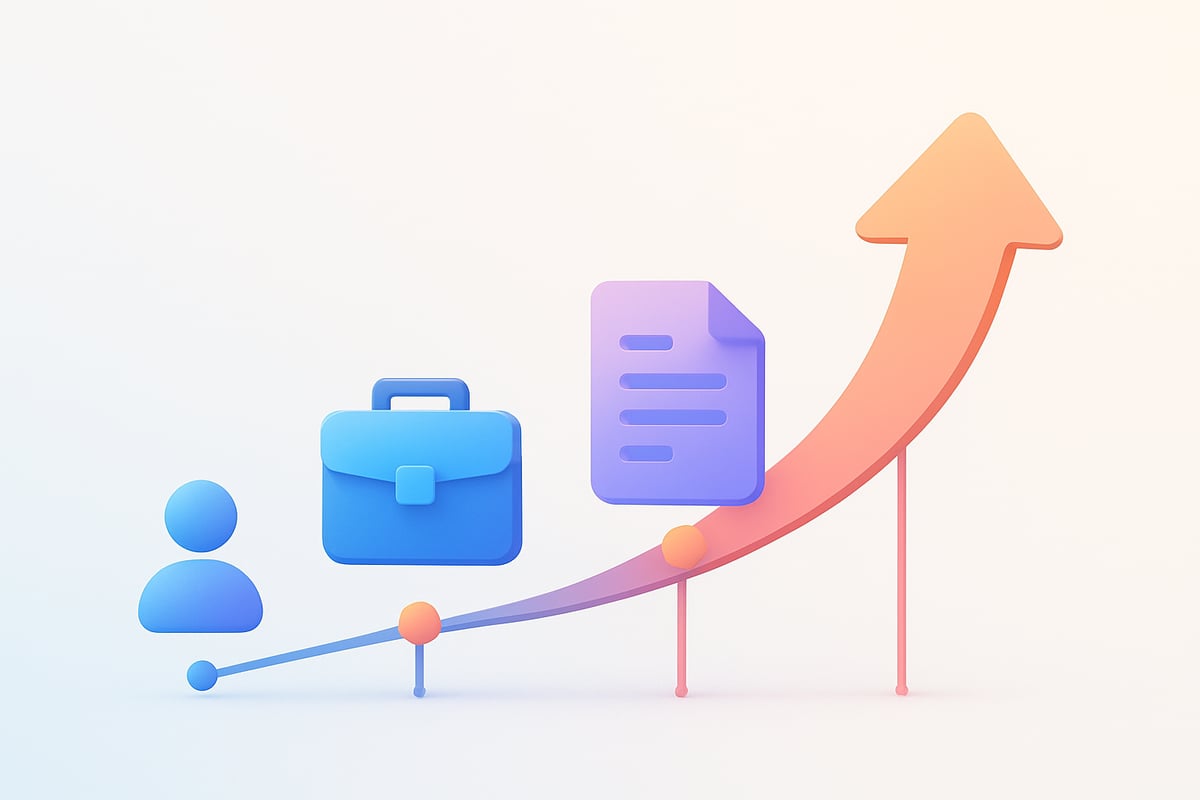
In a job driven world, the strength of your professional network can be the deciding factor in landing your next opportunity. As competition intensifies and roles evolve, establishing authentic connections is more critical than ever. A robust network not only helps you access hidden job markets, it also supports ongoing learning, mentorship, and career growth. Let us explore how to build and nurture relationships that set you apart in the job driven landscape.
Networking in the Digital Age
The digital transformation of the workplace has reshaped how professionals connect and collaborate. In a job driven market, virtual networking events, online communities, and professional platforms like LinkedIn have become essential. Recent studies reveal that over 70% of jobs are filled through networking, with many never publicly advertised.
Engaging in digital forums, joining relevant industry groups, and participating in webinars can expand your reach beyond traditional boundaries. Virtual coffee chats, informational interviews, and direct messaging allow you to foster meaningful relationships even across continents. To maximize your presence, keep your online profiles updated, share industry insights, and engage with thought leaders.
Human connection remains at the heart of effective networking, even as technology plays a larger role. According to AI and Human Connection Lead Top 5 Work Trends for 2026, the future of work will prioritize both digital proficiency and the ability to build trust in virtual environments. In this job driven era, blending digital tools with authentic engagement is key.
Strategically target virtual events, alumni groups, and professional associations to diversify your network. Remember, building relationships is a long term investment that pays dividends throughout your career in any job driven sector.
Mentorship and Peer Collaboration
Mentorship is a cornerstone of success in a job driven workplace. Data consistently shows that professionals with mentors progress faster, navigate challenges more smoothly, and report higher job satisfaction. Mentors offer guidance, share industry insights, and open doors to new opportunities.
Finding a mentor can start within your current organization, through alumni networks, or via professional groups. When seeking mentorship, be clear about your goals and demonstrate a willingness to learn. Likewise, offering to mentor others enhances your leadership skills and strengthens your reputation in the job driven market.
Peer collaboration is equally valuable. Partnering with colleagues on projects, exchanging feedback, and sharing resources builds trust and collective expertise. Many organizations encourage peer learning circles or mastermind groups, which foster both skill development and a sense of community.
Effective networking in a job driven context also relies on strong soft skills, such as empathy, communication, and adaptability. For those looking to improve these abilities, Essential soft skill development offers actionable strategies that can help you stand out.
To maintain your network, stay in touch with contacts, offer help when possible, and express genuine appreciation for support received. Giving back not only strengthens relationships, it also reinforces your value in the job driven environment.
Actionable Steps for Career Success in 2026
Achieving career success in a rapidly shifting, job driven market requires a clear, methodical approach. By breaking down your journey into actionable steps, you can navigate uncertainties and position yourself for growth in 2026. Below, explore a step-by-step framework to ensure you remain competitive and agile in the evolving world of work.
Step 1: Self-Assessment and Goal Setting
Begin your job driven journey by evaluating your current skills, interests, and values. A thorough self-assessment helps you recognize your strengths and identify areas for improvement. Use tools like personality assessments, career aptitude quizzes, and 360-degree feedback to gain insights into your professional profile.
Setting clear, measurable goals is crucial for maintaining focus in a job driven environment. Define both short-term and long-term objectives, and ensure they align with your aspirations and market realities. This approach provides a solid foundation for all subsequent career actions.
Step 2: Upskilling and Continuous Learning
In a job driven market, upskilling is non-negotiable. Start by identifying the most relevant skills for your target roles, considering both technical and soft skill requirements. Research emerging trends and consult resources like the Skills Outlook - The Future of Jobs Report 2025 to understand which abilities are gaining importance.
Choose online platforms, certifications, and micro-credentials that best match your career goals. Dedicate time each week to continuous learning, ensuring your knowledge and abilities remain current and competitive in the job driven landscape.
Step 3: Personal Branding and Digital Presence
Building a strong personal brand is essential in a job driven world. Craft a compelling digital portfolio, highlighting your achievements, projects, and certifications. Tailor your resume and cover letter to showcase the skills most valued in your industry.
Optimize your LinkedIn profile and other professional platforms by using relevant keywords, engaging headlines, and a clear summary. A robust digital presence increases your visibility and credibility in the job driven job market, making you more attractive to potential employers.
Step 4: Strategic Networking and Opportunity Seeking
A proactive approach to networking is vital for job driven career success. Identify key industry contacts, join relevant associations, and participate in virtual and in-person events. Reach out for informational interviews to gain insights and uncover hidden opportunities.
Stay engaged with your network by sharing valuable content and offering support. In a job driven market, leveraging relationships can lead to referrals, mentorship, and early access to job openings that may not be publicly advertised.
Step 5: Adapting to Market Trends and Feedback
Continuous adaptation is the hallmark of a job driven professional. Regularly review your career progress and adjust your strategy based on feedback from mentors, peers, and market data. Monitor labor market trends and employer needs to stay ahead.
Incorporating data-driven recruitment practices into your job search can help you make informed decisions and align your skills with evolving demands. This adaptive mindset ensures long-term relevance and resilience in any job driven environment.


