
January 15, 2026
Recruitment Process of: Your 2026 Guide to Hiring Success

The recruitment process of 2026 is transforming at lightning speed, driven by digital innovation and changing workforce expectations. Businesses now face unprecedented pressure to hire smarter, faster, and more effectively than ever before.
This guide delivers a clear, actionable roadmap for mastering the recruitment process of today. You will uncover the latest trends, step-by-step strategies, and proven technologies shaping modern hiring.
Explore how AI and automation are revolutionizing recruitment, why candidate experience is the new battleground, and what it takes to future-proof your hiring approach. Ready to achieve superior hiring outcomes? Let’s dive into the essential strategies for recruitment success in 2026.
Understanding the Modern Recruitment Landscape in 2026
The recruitment process of 2026 is shaped by unprecedented change. Digital transformation is not just a buzzword, but a daily reality impacting every stage of hiring. Organizations are navigating remote work as a standard, not an exception, and facing fierce competition for top talent across global markets.
One of the most influential shifts in the recruitment process of today is the integration of artificial intelligence, automation, and advanced data analytics. These technologies are redefining how companies source, screen, and select candidates. According to recent data, AI-powered recruitment tools have delivered a 92 percent reduction in screening time and a 99 percent decrease in hiring bias, fundamentally improving the recruitment process of leading organizations. You can read more about these statistics and their impact at AI's Impact on Recruitment Efficiency.
Candidates’ expectations have also evolved. In the recruitment process of 2026, job seekers demand transparency at every step, faster response times, and a clear commitment to diversity and inclusion. They expect seamless digital experiences, from application to onboarding, and value open communication about company culture and career growth.
Employer branding has become a key differentiator in attracting high-caliber talent. Organizations are investing in their digital presence and employee value proposition to stand out in a crowded market. A strong employer brand, showcased through authentic storytelling and employee advocacy, can significantly boost the success of the recruitment process of any business.
Despite advances, companies still face challenges such as talent shortages and widening skills gaps. Leading organizations are adapting by leveraging technology to analyze workforce data, identify emerging skills, and proactively build talent pipelines. For example, global tech firms now use predictive analytics to anticipate hiring needs and fill roles before gaps appear, ensuring their recruitment process of remains agile and competitive.

Step 1: Workforce Planning and Job Analysis
Strategic workforce planning forms the backbone of a successful recruitment process of 2026. As organizations adapt to rapid market changes, aligning talent needs with business objectives is more critical than ever. The recruitment process of today demands precision, agility, and a proactive approach to ensure you have the right people in the right roles at the right time.
Effective workforce planning begins with a clear understanding of organizational goals. Leaders must ask, What skills are needed to drive growth and innovation? By forecasting future requirements, companies can prepare for expansions, digital transformations, or shifts in service delivery. This proactive step within the recruitment process of helps reduce talent shortages and costly last minute hiring.
A thorough job analysis is the next essential step. This involves breaking down each role to identify the core skills, qualifications, and behavioral competencies required. In 2026, organizations rely on structured frameworks and digital tools to capture these details, ensuring job descriptions are both current and relevant. Defining clear criteria not only attracts better candidates but also sets the stage for fair and objective assessment later in the recruitment process of.
Analytics play a transformational role in modern workforce planning. By leveraging workforce analytics, HR teams can anticipate turnover rates, identify emerging skills gaps, and even predict which roles will be most challenging to fill. Involving stakeholders from multiple departments enhances this process, providing a holistic view of organizational needs and reducing blind spots. Cross functional collaboration ensures that workforce strategies support every aspect of business operations.
Leading companies now embrace data driven approaches to optimize their workforce planning. For example, organizations using predictive analytics have reported up to a 25 percent reduction in mis hires and a 30 percent improvement in retention rates. Integrating digital platforms and analytics tools streamlines the entire recruitment process of, from initial planning through to hiring and onboarding. For more on how analytics can transform your approach, explore these data-driven recruitment strategies.
Ultimately, effective workforce planning and job analysis are not just about filling vacancies. They are about building a resilient, future ready organization. By investing in strategic planning, leveraging analytics, and involving key stakeholders, companies can position themselves to attract, select, and retain top talent in a competitive landscape.

Step 2: Sourcing and Attracting Top Talent
In the recruitment process of 2026, sourcing and attracting top talent is more competitive than ever. The digital transformation has opened up a world of possibilities, but it has also raised the stakes. Organizations now compete on a global scale, leveraging cutting-edge tools to connect with candidates who are often evaluating multiple offers. To stay ahead, companies must rethink their approach to the recruitment process of sourcing, moving beyond traditional methods to tap into broader, more diverse talent pools.
Today's leading organizations are utilizing a blend of online job boards, targeted social media campaigns, employee referral programs, and curated talent communities. While job boards remain a staple in the recruitment process of finding active candidates, social platforms like LinkedIn, Twitter, and niche forums are increasingly valuable for engaging passive talent. Employee referrals continue to yield high-quality hires, as trusted recommendations speed up the recruitment process of matching candidates to culture and skills. For a comprehensive visual breakdown of each stage, including sourcing, the Steps of the recruitment process offers an in-depth look at how strategies can be tailored for maximum reach and impact.
Employer branding is a cornerstone of the recruitment process of attracting talent in 2026. Top candidates look for organizations that not only offer competitive pay but also align with their values and career aspirations. Companies are showcasing their culture, mission, and growth opportunities through immersive career pages, employee testimonials, and authentic social content. A compelling employer brand in the recruitment process of sourcing can turn passive observers into eager applicants, especially when combined with a clear employee value proposition.
Diversity and inclusion have become non negotiable priorities in every recruitment process of sourcing strategy. Organizations are crafting unbiased job postings and conducting targeted outreach to underrepresented groups, ensuring that every talent pipeline reflects a wide range of backgrounds and perspectives. Innovative campaigns, such as virtual career fairs and AI-driven talent matching, are breaking down barriers and opening doors for candidates who might have been overlooked in the past.
The recruitment process of 2026 is fundamentally data driven. Talent analytics tools enable recruiters to track the performance of each sourcing channel, identify bottlenecks, and refine their approach in real time. By analyzing metrics like application rates, conversion ratios, and candidate engagement, organizations can continually optimize their sourcing strategies for efficiency and quality. Mastering this step in the recruitment process of ensures access to the best talent and lays the groundwork for long term hiring success.

Step 3: Screening, Shortlisting, and Assessment
The screening, shortlisting, and assessment phase is a pivotal step in the recruitment process of 2026. This stage determines which candidates advance based on their qualifications, skills, and cultural fit. With more applications and higher expectations, organizations need streamlined methods to identify top talent efficiently and fairly.
Modern hiring teams rely on advanced tools and data-driven strategies to enhance accuracy and minimize bias. By leveraging technology, companies can improve the recruitment process of screening and ensure that the best candidates move forward.
How AI Recruitment Platforms Like Klearskill Transform Screening
AI recruitment platforms have revolutionized the recruitment process of screening by automating repetitive and time-consuming tasks. Platforms like Klearskill use machine learning to analyze thousands of CVs, rank candidates according to customizable criteria, and generate instant shortlists with a high degree of accuracy.
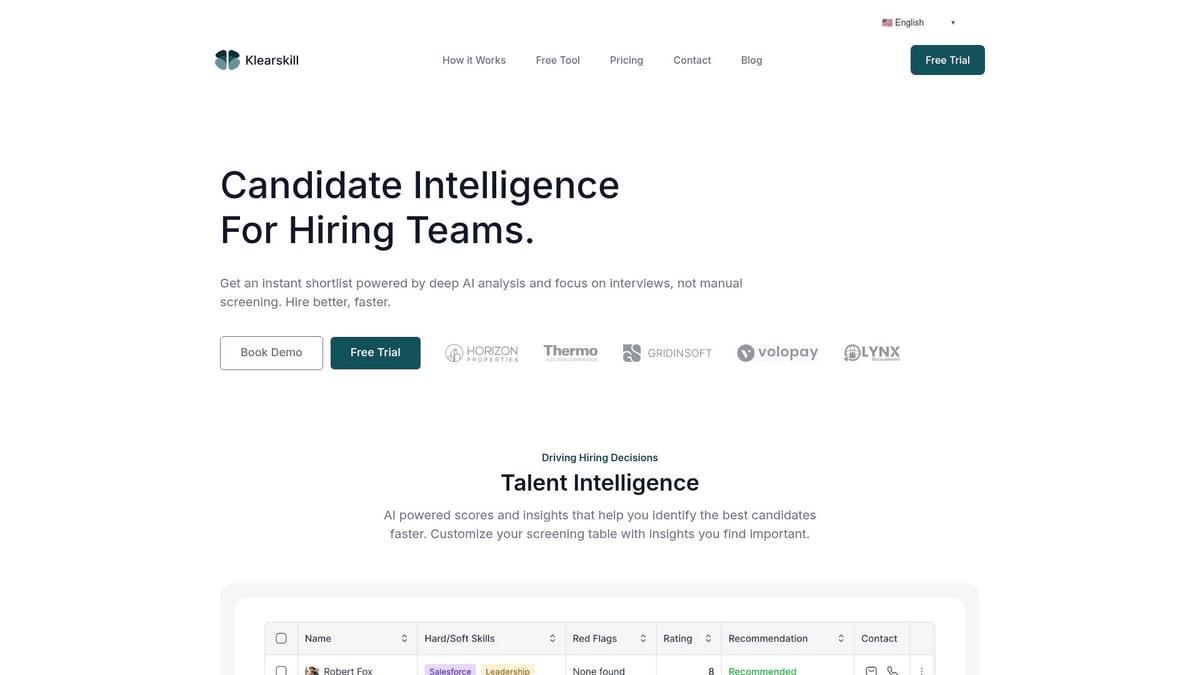
One of the most significant advantages is the elimination of unconscious bias, which can influence human decision-making. AI-driven systems evaluate candidates solely on relevant qualifications, experience, and skills, creating a level playing field. Advanced analytics further empower recruiters to make informed decisions, increasing the quality of hire across the recruitment process of every role.
For example, organizations using Klearskill report a 92 percent reduction in screening time and a 99 percent decrease in hiring bias. Recruiters also benefit from seamless integration with applicant tracking systems, enabling smooth workflow transitions. The platform’s customizable AI ensures that each organization can tailor the recruitment process of shortlisting to its unique needs.
To explore how AI is transforming each step, including screening and assessment, visit the Role of AI in recruitment for deeper insights.
Structured Interviews and Skills Assessments
Structured interviews and standardized skills assessments are essential components of the recruitment process of 2026. These methods ensure that all candidates are evaluated consistently, reducing the risk of subjective judgment and bias.
With structured interviews, recruiters use the same set of questions for each candidate, focusing on job-relevant competencies and behavioral indicators. This approach makes the recruitment process of evaluating candidates more reliable and allows for direct comparisons based on objective criteria.
Skills assessments, including technical tests and psychometric evaluations, provide measurable data on a candidate’s abilities. By integrating these tools with applicant tracking systems, organizations streamline the recruitment process of assessment, saving time while improving match accuracy.
Studies show that companies using structured interviews and data-driven assessments experience higher retention rates and better job performance among new hires. These practices build trust and transparency, reinforcing the recruitment process of fair talent selection.
Ensuring Compliance and Data Privacy
Compliance and data privacy are non-negotiable in the recruitment process of 2026. Organizations must adhere to local and international regulations when handling candidate information. Transparent data management policies are critical for building trust throughout the recruitment process of screening and assessment.
Best practices include regular audits, clear consent protocols, and secure storage of sensitive data. By prioritizing compliance, companies safeguard both their reputation and the candidate’s rights, ensuring the recruitment process of hiring remains ethical and secure.
Step 4: Interviewing and Selecting Candidates
Mastering the recruitment process of 2026 demands precision and adaptability, especially at the interview and selection stage. As organizations seek to secure top talent, the methods used to evaluate and choose candidates become pivotal in shaping workforce quality and employer reputation.
Interview Formats and Best Practices
The recruitment process of today features a variety of interview formats tailored to diverse roles and candidate needs. Virtual interviews now dominate, offering flexibility and efficiency for both candidates and hiring teams. Panel interviews bring multiple perspectives, while behavioral interviews uncover real-world competencies and cultural fit.
Organizations that invest in interviewer training see a measurable reduction in bias and more consistent evaluations. Structured interviews, supported by standardized questions and scoring rubrics, deliver objective assessments and improve hiring accuracy. Competency-based interviews have been shown to predict job performance more reliably than informal approaches.
A positive interview experience not only influences acceptance rates but also strengthens employer branding. According to Candidate Experience and Employer Reputation, exceptional interview experiences drive higher job satisfaction and better alignment with role expectations. Integrating feedback mechanisms and transparent communication further elevates the recruitment process of forward-thinking companies.
Collaborative Selection and Decision-Making
Collaboration is central to the recruitment process of high-performing organizations. Hiring panels, comprised of cross-functional stakeholders, help minimize individual biases and foster diverse perspectives in candidate evaluation. Utilizing structured evaluation criteria and consensus meetings ensures that selection decisions are both objective and inclusive.
Digital platforms facilitate seamless sharing of candidate assessments among team members, allowing for real-time discussion and scoring. By standardizing evaluation forms and leveraging technology, companies improve decision quality and accelerate the selection timeline. This collaborative approach not only enhances fairness but also boosts confidence in the final hiring decisions, making the recruitment process of 2026 more robust and transparent.
Reference and Background Checks
The recruitment process of any reputable organization concludes with comprehensive reference and background checks. These vital steps confirm the candidate’s qualifications, validate employment history, and identify any risks that might affect the organization.
Automated background check solutions expedite this stage, ensuring compliance with legal standards and safeguarding sensitive candidate information. Clear communication about these checks helps maintain trust and transparency, reinforcing the integrity of the recruitment process of modern businesses.
Closing the recruitment process of 2026 with attention to detail and a commitment to objectivity ensures not only the right hire but also strengthens overall organizational success. As you refine your approach, consider how each step can be enhanced to deliver exceptional outcomes for both your company and prospective employees.
Step 5: Onboarding and Retention Strategies
A successful recruitment process of 2026 does not end with a signed offer letter. The true test of hiring success is how well new employees are integrated, engaged, and retained long after day one. Organizations that master onboarding and retention see measurable gains in productivity, morale, and long-term workforce stability.
Onboarding is now a strategic pillar in the recruitment process of leading companies. It sets the stage for employee engagement, satisfaction, and loyalty. A thoughtful approach reduces turnover and builds a foundation for continuous growth.
Digital Onboarding and Integration
Digital transformation has revolutionized the onboarding stage within the recruitment process of modern organizations. In 2026, seamless digital onboarding is the new standard, replacing manual paperwork with interactive portals, automated workflows, and virtual training modules.
Companies leverage onboarding platforms to deliver personalized experiences from day one. These systems guide new hires through essential documentation, company policies, and team introductions, often before their official start date. This early engagement fosters a sense of belonging and helps employees quickly adapt to the company culture.
Integrated onboarding solutions accelerate productivity by streamlining administrative tasks and introducing tailored learning paths. Studies show that organizations using digital onboarding tools report up to 50 percent faster ramp-up times and higher satisfaction scores. The recruitment process of top employers now includes virtual mentorship and collaborative platforms, supporting continuous connection and feedback.
Measuring Onboarding Success
Measuring the effectiveness of onboarding is vital in the recruitment process of any forward-thinking company. Key metrics include new hire retention rates, time to productivity, and feedback from both employees and managers.
Regular pulse surveys and structured feedback sessions help identify gaps and areas for improvement. High-performing organizations use performance metrics to track progress and adjust onboarding content for future cohorts.
A well-executed onboarding program has a direct impact on retention. Companies that prioritize clear communication and personalized support, as highlighted in Improving candidate experience, consistently see lower turnover rates and higher engagement scores.
Retention-Focused Engagement Initiatives
Sustaining engagement after onboarding is essential to the recruitment process of organizations seeking long-term success. Mentorship programs, continuous learning opportunities, and regular recognition keep employees motivated and invested in their roles.
Forward-thinking companies create career development pathways and encourage open dialogue, empowering employees to grow within the organization. Employee feedback mechanisms and peer support networks further strengthen loyalty and satisfaction.
By embedding ongoing engagement strategies into the recruitment process of 2026, businesses reduce turnover, foster innovation, and build resilient teams ready to meet future challenges.
Future-Proofing Your Recruitment Process for 2026 and Beyond
The recruitment process of 2026 is on the brink of a transformative era, driven by relentless technological innovation and shifting workforce expectations. Organizations that want to remain competitive must look beyond traditional practices and embrace emerging trends that redefine how they attract, assess, and retain talent. From predictive analytics to AI-powered talent mapping, the future of recruitment is built on data, agility, and a deep understanding of candidate needs.
As AI and automation become deeply embedded in the recruitment process of leading organizations, their impact is measurable and profound. According to recent data, 87 percent of companies already utilize AI in their hiring workflows, investing heavily in recruitment automation and predictive analytics. These technologies not only accelerate candidate sourcing and screening but also enable data-driven decisions that improve match accuracy and reduce bias. For more on the widespread adoption and benefits of AI in recruitment, see AI Adoption in Recruitment Processes.
Adaptability is now a core requirement for the recruitment process of organizations intent on thriving in a volatile market. Skills-based hiring is replacing static job descriptions, allowing companies to tap into broader talent pools and quickly adjust to emerging needs. Continuous learning is a cornerstone, with successful teams investing in upskilling both recruiters and candidates. This approach ensures talent pipelines remain resilient and responsive to market shifts, fostering sustainable growth.
Building an agile recruitment process of means more than adopting new tools, it requires a mindset shift. Leading organizations like those in the technology and finance sectors are reengineering their hiring strategies to prioritize flexibility, rapid iteration, and real-time feedback. By leveraging talent analytics and scenario planning, they can anticipate workforce changes and proactively close skills gaps, keeping them ahead of industry disruption.
Another critical component of the recruitment process of the future is a relentless focus on candidate experience. Job seekers expect clarity, speed, and personalization at every touchpoint. Organizations that deliver seamless, transparent communication not only attract top talent but also enhance their employer brand. Poor candidate experiences can lead to higher drop-off rates and diminished loyalty, underscoring the need for an empathetic, tech-powered approach. Learn more about the high stakes of candidate experience at The Cost of Poor Candidate Experience.
Looking ahead, the recruitment process of 2026 and beyond will be defined by innovation, flexibility, and a commitment to continuous improvement. Predictive talent mapping, AI-driven assessments, and a culture of learning will become standard practice. Organizations that future-proof their recruitment process of by embracing these trends will not only attract the best talent but also build agile, resilient teams ready to lead in a fast-changing world.
As we’ve explored, mastering recruitment in 2026 means embracing data-driven strategies, optimizing candidate experience, and integrating AI to stay ahead of the curve. If you’re ready to streamline your hiring process, reduce bias, and get instant shortlists built on smart analysis, why not see the benefits firsthand You can try the same AI-powered recruitment platform that leading teams use to hire with confidence. Take your first step toward a more efficient, effective recruitment process and Start free trial today. Your next great hire could be just a click away.


