
March 5, 2026
Recruitment Software Database: Your Complete Guide
The modern hiring landscape demands more than spreadsheets and scattered email threads. A recruitment software database serves as the central nervous system of your talent acquisition strategy, organizing candidate information, tracking interactions, and enabling data-driven decisions that transform how organizations identify and engage top talent. As recruitment teams face mounting pressure to fill positions faster while maintaining quality standards, the right database infrastructure becomes not just helpful but essential for competitive advantage.
Understanding the Core Function of a Recruitment Software Database
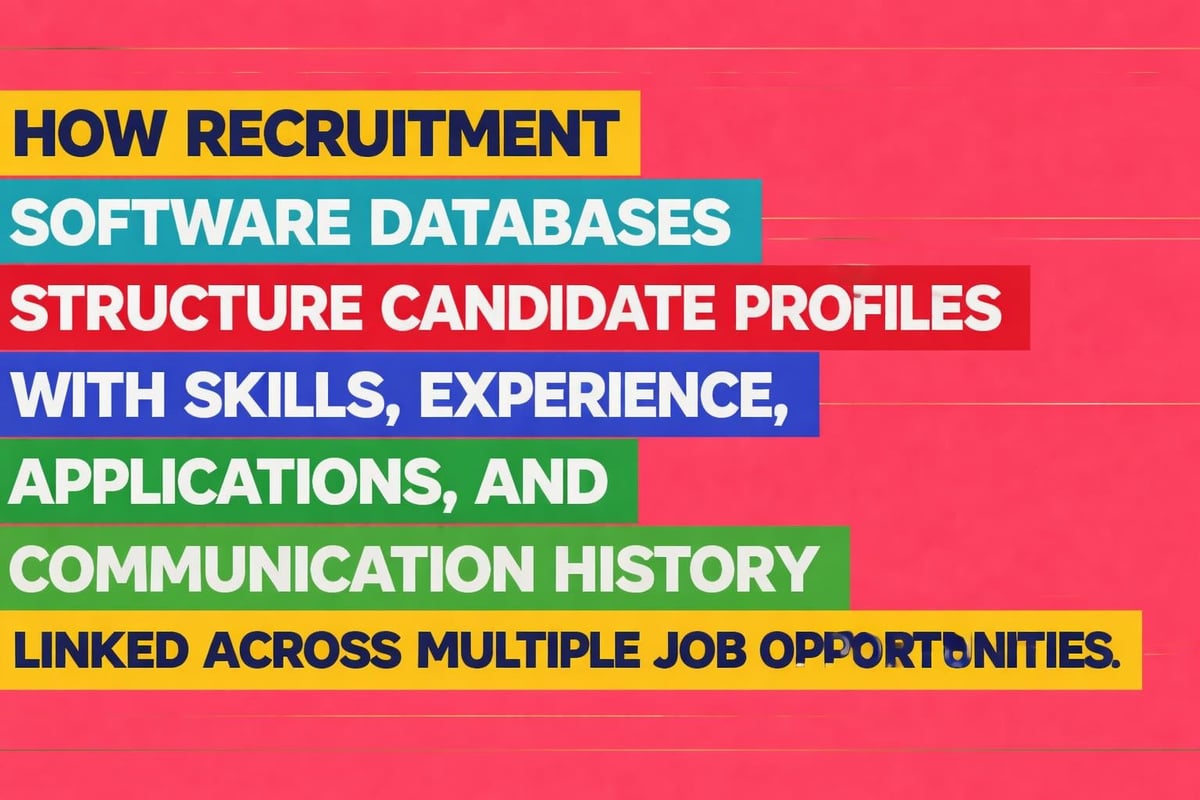
A recruitment software database represents the foundational layer where all candidate information lives, breathes, and evolves throughout the hiring lifecycle. This digital repository captures everything from initial contact details and resume submissions to interview feedback, skill assessments, and communication history. Unlike traditional filing systems, modern databases integrate directly with AI-powered tools that can parse resumes, extract relevant qualifications, and automatically categorize candidates based on competencies and experience levels.
The sophistication of today's recruitment software database extends far beyond simple storage. These systems create relationships between data points, linking candidates to specific job requisitions, identifying skill gaps across your talent pool, and surfacing previously overlooked applicants who might be perfect for new openings. When properly structured, your database becomes a living talent ecosystem that grows more valuable with each interaction, providing recruiters with instant access to qualified candidates without starting from scratch for every new position.
Building an Effective Database Strategy for Modern Recruitment
Developing a comprehensive hiring database strategy requires careful planning around data collection, organization, and accessibility. Your recruitment software database should capture standardized information that enables meaningful comparisons while remaining flexible enough to accommodate unique candidate attributes. Start by defining which data fields matter most for your hiring decisions, whether that includes technical certifications, years of experience in specific industries, or soft skills assessments.
The structure you implement today determines how easily recruiters can navigate your talent pool tomorrow. Consistent tagging and categorization systems allow team members to filter candidates by location, salary expectations, availability, or any combination of criteria relevant to your open positions. Advanced platforms now incorporate AI-driven classification that learns from recruiter behavior, automatically suggesting appropriate tags and categories as new profiles enter the system.
Integration capabilities separate powerful recruitment software databases from basic contact management systems. Your database should connect seamlessly with job boards, career sites, email platforms, and calendar applications to create a unified workflow. This connectivity eliminates duplicate data entry and ensures that every touchpoint with a candidate gets recorded automatically, building a complete picture of each relationship without adding administrative burden to your recruitment team.
Leveraging AI to Transform Database Functionality
Artificial intelligence has revolutionized how recruitment software databases deliver value to hiring teams. Rather than requiring recruiters to manually search through hundreds of profiles, AI algorithms can analyze job requirements and instantly identify the most qualified candidates based on complex pattern recognition that considers far more variables than human reviewers could process efficiently. AI tools for talent acquisition now rank candidates with remarkable accuracy, presenting recruiters with curated shortlists in moments.
Modern AI capabilities extend to resume parsing, which extracts structured data from unformatted documents and populates your recruitment software database fields automatically. This technology recognizes variations in how candidates present their experience, normalizing job titles, education credentials, and skill descriptions into consistent formats that enable apples-to-apples comparisons. The time savings compound rapidly when processing dozens or hundreds of applications per position.
Predictive analytics represent the cutting edge of database intelligence, using historical hiring data to forecast which candidates are most likely to accept offers, succeed in specific roles, or remain with your organization long-term. These insights help recruiters prioritize their outreach efforts and tailor their engagement strategies to individual candidate profiles, dramatically improving conversion rates throughout the hiring funnel.
Managing and Maintaining Database Quality Over Time
A recruitment software database degrades without consistent maintenance and quality control measures. Best practices for managing candidate databases emphasize regular audits to identify outdated information, duplicate profiles, and incomplete records that diminish database utility. Establishing quarterly review cycles ensures your talent pool remains current and actionable rather than becoming a digital graveyard of stale contacts.
Data decay happens faster than most organizations realize. Candidates change jobs, relocate, acquire new skills, and update their career goals continuously. Your recruitment software database needs mechanisms to refresh candidate information periodically, whether through automated email campaigns that request profile updates or integration with professional networking platforms that detect changes in employment status and credentials.
Team training plays an equally critical role in database health. When recruiters understand the importance of complete, accurate data entry and follow consistent protocols for candidate interaction logging, the entire organization benefits from richer insights and more effective talent rediscovery. Monitoring team activity and database usage patterns helps identify training opportunities and ensures everyone contributes to rather than detracts from database quality.
Security and Compliance Considerations for Candidate Data
Personal information stored within your recruitment software database creates significant legal and ethical obligations. Regulations like GDPR, CCPA, and industry-specific compliance requirements dictate how you collect, store, and use candidate data. Recruitment compliance frameworks must address consent management, data retention policies, and candidate rights to access or delete their information from your systems.
Encryption serves as your first line of defense against unauthorized access, protecting candidate data both at rest in your database and in transit between systems. Enterprise-grade recruitment platforms implement multiple security layers including role-based access controls, audit logging, and regular penetration testing to identify vulnerabilities before they can be exploited. The consequences of a data breach extend far beyond regulatory fines to include reputational damage that can cripple recruiting effectiveness.
Data protection measures should include clear policies about who within your organization can access candidate information and for what purposes. Regular security training helps team members recognize phishing attempts and social engineering tactics designed to compromise database access. As cyber threats grow more sophisticated, your security posture must evolve accordingly to maintain candidate trust and regulatory compliance.
Optimizing Database Performance for High-Volume Recruitment
Organizations processing thousands of applications monthly require recruitment software databases engineered for speed and scalability. Query performance determines whether recruiters can access candidate information instantly or waste valuable minutes waiting for search results. Database indexing, caching strategies, and cloud infrastructure all contribute to the responsiveness that separates frustrating from efficient recruitment platforms.
Automated resume screening software depends on database architecture that can handle concurrent processing of multiple candidates while maintaining system stability. As your talent pool grows from hundreds to thousands or even millions of profiles, the underlying technology must scale seamlessly without degrading performance or requiring costly infrastructure overhauls.
Advanced recruitment software databases implement intelligent archiving strategies that move inactive candidate records to secondary storage while keeping frequently accessed profiles immediately available. This tiered approach balances comprehensive historical records with optimal system performance, ensuring recruiters never sacrifice speed for thoroughness when searching for qualified candidates.
Integration Ecosystem and Data Flow Management
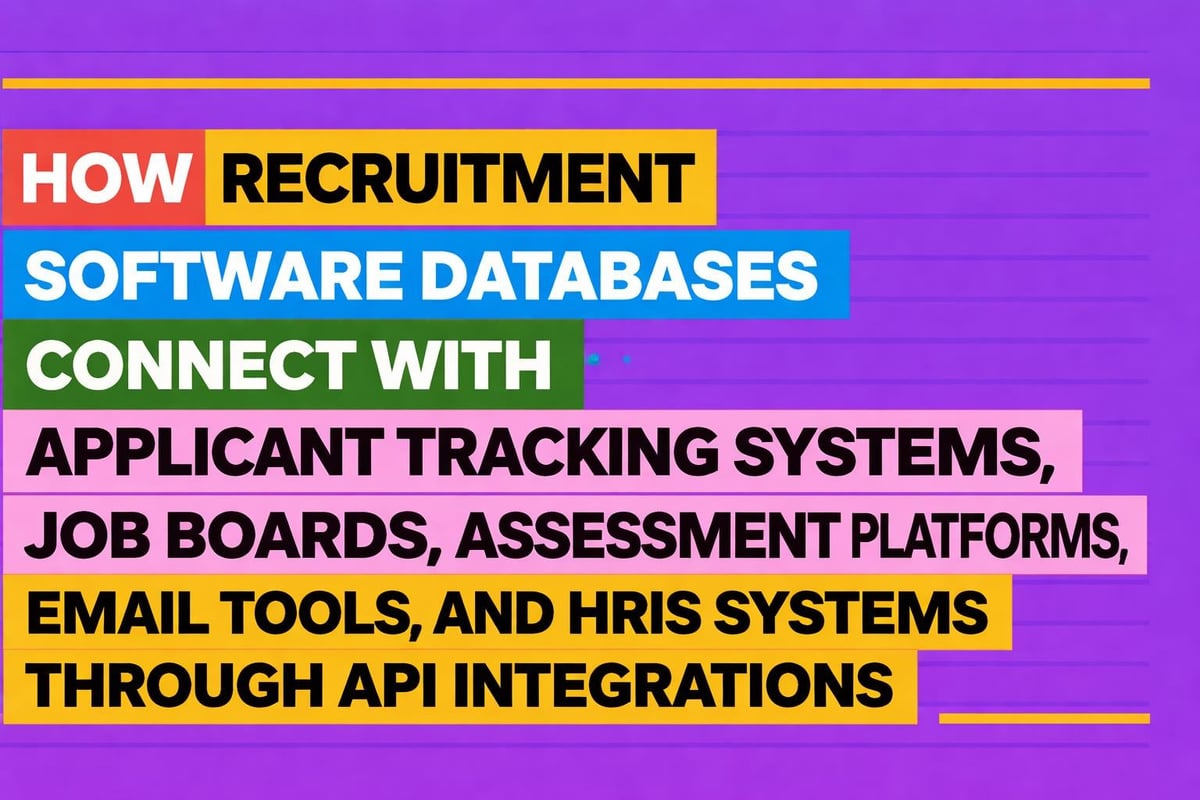
The modern recruitment software database rarely operates in isolation. Instead, it functions as the central hub within an ecosystem of specialized tools covering job advertising, candidate assessment, background checks, and onboarding. Seamless integration between these systems ensures data flows bidirectionally, updating your database automatically as candidates progress through each hiring stage.
API connectivity enables your recruitment software database to push candidate information to interview scheduling tools, pull assessment results from testing platforms, and synchronize with HRIS systems once candidates become employees. This interconnectedness eliminates the data silos that plague organizations using disconnected point solutions, creating a single source of truth for all talent-related information.
Recruiting automation tools rely on database webhooks and triggers to initiate workflows based on candidate actions or status changes. When a high-priority candidate submits an application, automated sequences can immediately send personalized acknowledgment emails, notify relevant hiring managers, and schedule preliminary screening calls without any manual intervention from your recruitment team.
Mobile Access and Remote Recruitment Capabilities
The shift toward remote work has elevated mobile database access from convenience to necessity. Recruiters conducting video interviews, attending career fairs, or working from home need full recruitment software database functionality on smartphones and tablets. Responsive design and native mobile applications ensure hiring teams can review candidate profiles, add interview notes, and update application statuses from anywhere.
Cloud-based recruitment software databases provide the foundation for truly location-independent hiring operations. Multiple team members can collaborate on candidate evaluations simultaneously, with changes syncing in real-time across all devices. This flexibility proves particularly valuable for organizations with distributed recruiting teams or those hiring for remote positions where candidates might be located anywhere globally.
Offline capabilities add another layer of accessibility, allowing recruiters to download candidate information before entering areas with limited connectivity and syncing changes once internet access resumes. Best ATS solutions for small businesses increasingly prioritize mobile-first experiences that acknowledge how recruitment actually happens in 2026.
Analytics and Reporting Capabilities
Data trapped in your recruitment software database delivers no value until transformed into actionable insights. Comprehensive reporting tools reveal patterns in your hiring funnel, identifying where candidates drop off, which sourcing channels produce the highest-quality applicants, and how long positions remain open across different departments or locations. These metrics inform strategic decisions about resource allocation and process improvements.
Custom dashboards tailored to different stakeholders ensure executives, hiring managers, and recruiters all access the information most relevant to their responsibilities. C-suite leaders might focus on cost-per-hire and time-to-fill trends, while recruiters need granular visibility into individual candidate pipeline status and upcoming interview schedules.
Predictive analytics capabilities leverage your historical recruitment software database records to forecast future hiring needs based on seasonal patterns, growth projections, and employee turnover rates. This forward-looking perspective enables proactive talent pipeline development rather than reactive scrambling when positions open unexpectedly.
Enhancing Candidate Experience Through Database Intelligence
Every interaction candidates have with your organization gets shaped by how effectively your recruitment software database surfaces relevant information to recruiters. When hiring teams can quickly access previous conversations, understand candidate preferences, and personalize their outreach based on detailed profile information, the candidate experience improves dramatically. This attention to detail differentiates employers competing for top talent in tight labor markets.
Automated communication workflows powered by database triggers ensure candidates never feel ignored during the application process. Acknowledgment emails, status updates, and interview reminders maintain engagement without requiring constant manual effort from recruiters. AI-powered recruitment tools can even personalize message content based on candidate characteristics stored in your database.
Transparency features that give candidates visibility into their application status build trust and reduce anxiety during what can be a stressful process. Self-service portals connected to your recruitment software database allow applicants to update their information, withdraw from consideration, or express continued interest without generating additional work for your recruitment team.
Future-Proofing Your Database Infrastructure
Technology evolution continues at a relentless pace, requiring recruitment software databases built on flexible architectures that can adapt to emerging capabilities. Vendor selection should consider not just current functionality but roadmap vision and track record of innovation. Platforms committed to continuous improvement through regular feature releases protect your investment against premature obsolescence.
Customization options ensure your recruitment software database can grow alongside your organization's evolving needs. Whether that means adding custom fields for industry-specific qualifications, creating unique workflow automations, or building proprietary integrations with niche tools, extensibility prevents outgrowing your platform as requirements change.
Recruiting tools for HR professionals in 2026 prioritize interoperability and open standards that prevent vendor lock-in. Your database should support standard data export formats that enable migration to alternative platforms if necessary, protecting against scenarios where changing business requirements demand different technical solutions.
A well-architected recruitment software database transforms hiring from a reactive, time-consuming process into a strategic advantage powered by comprehensive candidate intelligence and AI-driven insights. Organizations that invest in robust database infrastructure, maintain data quality, and leverage advanced analytics consistently outperform competitors in securing top talent. Klearskill delivers exactly this capability through AI-powered CV analysis that ranks candidates and generates qualified shortlists in moments, eliminating hours of manual resume review while ensuring you never overlook qualified applicants buried in high-volume application pools.


