
March 17, 2026
Talent Acquisition Talent Management: A Complete Guide
Organizations face unprecedented challenges in building high-performing teams in 2026. The integration of talent acquisition talent management has become essential for companies seeking sustainable competitive advantage. This comprehensive approach recognizes that recruiting exceptional candidates represents only the beginning of a strategic journey that extends through employee development, retention, and organizational growth. Understanding how these interconnected functions work together enables companies to create robust talent pipelines while maximizing the potential of existing team members.
Understanding the Relationship Between Acquisition and Management
Talent acquisition talent management represents two sides of the same strategic coin. While acquisition focuses on identifying and attracting qualified candidates to fill organizational needs, management emphasizes developing and retaining employees once they join the company. Talent management encompasses broader organizational activities including succession planning, performance evaluation, and employee engagement initiatives.
The disconnect between these functions creates inefficiencies that cost companies millions annually. When recruitment teams operate independently from development initiatives, organizations experience higher turnover rates as new hires discover misalignment between promised opportunities and actual career paths. Integration ensures consistency from the initial candidate experience through long-term employee growth.
Modern approaches to talent acquisition talent management recognize that recruitment strategies must align with retention objectives. Companies that excel in this integration design hiring processes that identify candidates whose career aspirations match available development opportunities. This alignment reduces early-stage attrition while increasing employee satisfaction scores.
Strategic Workforce Planning and Forecasting
Effective talent acquisition talent management begins with comprehensive workforce planning. Organizations must analyze current capabilities against future business objectives to identify skill gaps requiring immediate attention versus long-term development. This forecasting process involves collaboration between executive leadership, human resources teams, and department managers who understand operational requirements.
Strategic planning examines both quantitative factors like headcount projections and qualitative elements such as cultural fit and leadership potential. Companies leverage historical hiring data, turnover trends, and industry benchmarks to predict future talent needs. Advanced organizations incorporate scenario planning to prepare for multiple business outcomes, ensuring recruitment strategies remain flexible amid market volatility.
The integration of AI techniques for talent analytics has revolutionized workforce planning capabilities. Machine learning algorithms analyze patterns in employee performance, career progression, and attrition to predict future talent requirements with unprecedented accuracy. These insights enable proactive recruitment strategies that build talent pipelines before critical vacancies emerge.
Successful planning requires continuous reassessment as business conditions evolve. Organizations establish quarterly reviews connecting recruitment metrics with business performance indicators. This discipline ensures talent acquisition talent management strategies adapt to changing organizational priorities rather than operating from outdated assumptions.
Building Effective Recruitment Processes
Modern recruitment demands systematic approaches that balance speed with quality. Organizations implementing robust talent acquisition talent management frameworks establish clear processes from requisition approval through candidate onboarding. Standardization ensures consistency while allowing flexibility for specialized roles requiring unique evaluation criteria.
Job analysis forms the foundation of effective recruitment. Teams must thoroughly understand position requirements including technical skills, behavioral competencies, and cultural alignment factors. This analysis informs job descriptions that attract qualified candidates while setting realistic expectations about role responsibilities and growth opportunities.
Candidate sourcing strategies have expanded beyond traditional job boards to encompass social recruiting, employee referrals, and talent community building. Companies cultivate relationships with potential candidates long before specific openings arise. This proactive approach reduces time-to-fill metrics while improving candidate quality through pre-established connections.
Assessment methodologies must align with both immediate performance requirements and long-term development potential. Organizations implementing comprehensive talent acquisition talent management programs evaluate candidates across multiple dimensions including current skill proficiency, learning agility, and cultural compatibility. AI tools for talent acquisition streamline this evaluation process by analyzing candidate qualifications against role requirements in moments rather than hours.
Leveraging Technology for Competitive Advantage
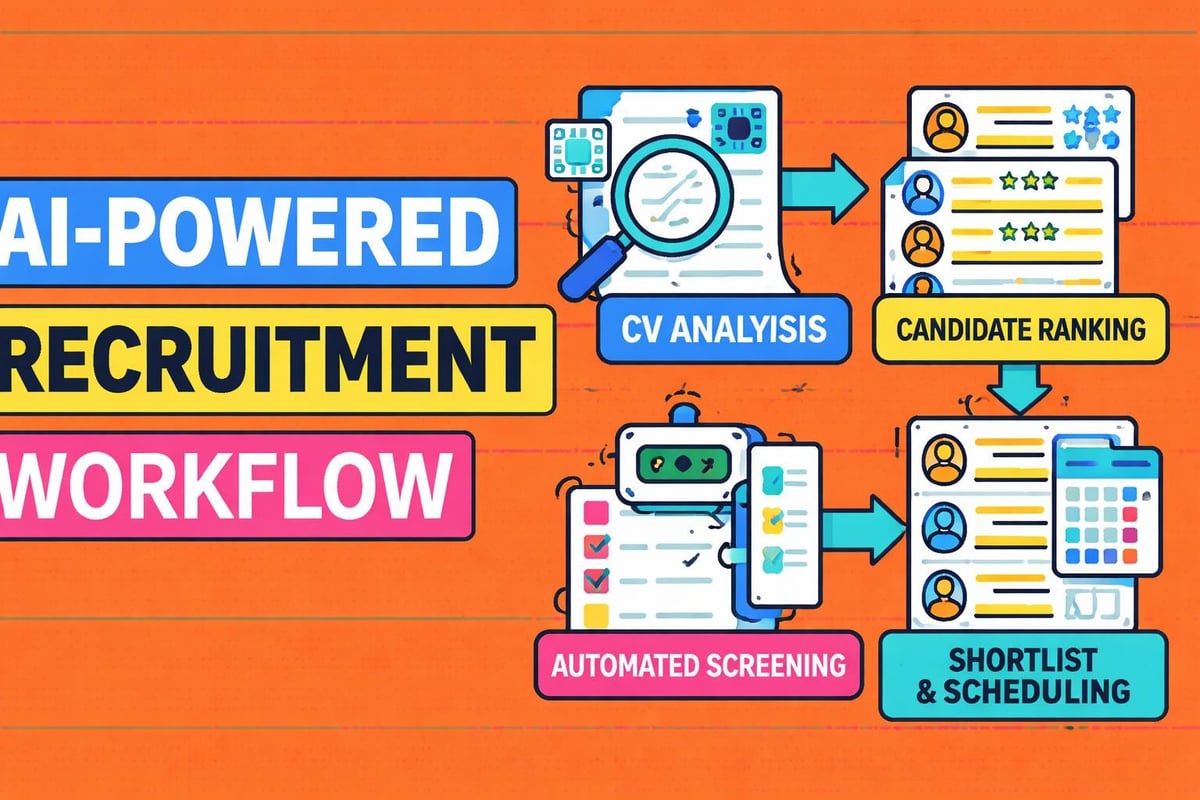
Technology transformation has fundamentally altered talent acquisition talent management capabilities. Artificial intelligence now handles time-consuming administrative tasks, allowing recruitment professionals to focus on strategic relationship building and candidate evaluation. Automation eliminates manual resume screening, interview scheduling, and status communications that previously consumed significant resources.
Advanced platforms analyze candidate CVs against job requirements using natural language processing and machine learning algorithms. These systems identify qualified candidates based on skills, experience, and potential cultural fit. The technology ranks applicants according to customizable criteria, delivering prioritized shortlists that accelerate hiring decisions without sacrificing quality.
Integration between acquisition and management systems creates seamless employee experiences from application through career development. When recruitment platforms connect with performance management and learning systems, organizations gain comprehensive visibility into talent capabilities and growth trajectories. This integration supports data-driven decisions about internal mobility, succession planning, and skill development initiatives.
Recruiting automation tools reduce bias in hiring processes by applying consistent evaluation criteria across all candidates. Automated systems assess qualifications objectively without influence from unconscious biases that affect human decision-making. This objectivity improves diversity outcomes while ensuring selections align with defined role requirements.
Candidate Experience and Employer Branding
Organizations implementing effective talent acquisition talent management strategies recognize candidate experience as a critical competitive differentiator. Every interaction from initial job posting through onboarding shapes perceptions that influence acceptance decisions and long-term engagement. Companies that excel in this area design streamlined application processes, provide transparent communication, and demonstrate respect for candidate time throughout hiring cycles.
Employer branding extends beyond recruitment marketing to encompass authentic representation of organizational culture and values. Top talent increasingly researches companies through employee reviews, social media presence, and public communications before applying. Organizations must ensure consistency between external messaging and internal reality to avoid credibility gaps that drive early turnover.
Personalization enhances candidate engagement throughout recruitment processes. Automated communications should feel relevant rather than generic, incorporating specific details about candidate qualifications and role requirements. This attention to individual experience demonstrates organizational values while building positive relationships that extend beyond immediate hiring decisions.
Speed matters significantly in competitive talent markets. Research on successful talent acquisition leaders reveals that responsiveness directly correlates with acceptance rates and candidate satisfaction scores. Organizations must balance thoroughness with efficiency, eliminating unnecessary process steps while maintaining evaluation rigor.
Onboarding as a Bridge Between Functions
Onboarding represents the critical transition point where talent acquisition talent management integration becomes most visible to new employees. Effective programs extend beyond administrative paperwork to encompass cultural assimilation, relationship building, and early skill development. Organizations that invest in comprehensive onboarding experience significantly lower early-stage turnover while accelerating time-to-productivity.
Structured onboarding programs establish clear expectations, provide necessary resources, and create support networks that help new hires navigate organizational complexities. The first ninety days prove crucial for long-term engagement and performance. Companies implementing best practices assign mentors, schedule regular check-ins, and gather feedback to continuously improve new employee experiences.
Technology enables consistent onboarding experiences regardless of location or role. Automated workflows ensure new hires complete required training, receive necessary equipment, and connect with key stakeholders according to predetermined timelines. This systematization reduces manager burden while guaranteeing comprehensive experiences for all employees.
Integration between recruitment promises and onboarding delivery determines whether organizations fulfill candidate expectations. When hiring managers emphasize growth opportunities during interviews, onboarding must immediately demonstrate commitment to development through training plans and career discussions. This consistency builds trust and validates hiring decisions for both parties.
Performance Management and Development Initiatives
Talent acquisition talent management excellence requires robust systems for evaluating and developing employee capabilities. Performance management has evolved from annual reviews to continuous feedback models that support real-time improvement and recognition. Modern approaches emphasize coaching relationships between managers and team members focused on skill development and career progression.
Goal alignment ensures individual performance objectives connect to organizational priorities. This connection helps employees understand their contributions to company success while identifying development areas supporting career advancement. Regular progress discussions enable course corrections before minor issues escalate into performance problems requiring formal interventions.
Development planning transforms performance insights into actionable growth strategies. Organizations investing in talent acquisition talent management create individualized plans addressing skill gaps, leadership potential, and career aspirations. These plans may include formal training programs, stretch assignments, mentoring relationships, or lateral moves providing broader organizational exposure.
Learning opportunities must match diverse employee preferences and learning styles. Companies offer varied development modalities including instructor-led training, online courses, peer learning groups, and experiential projects. This variety ensures accessibility while accommodating different schedules and learning preferences across the workforce.
Retention Strategies and Career Pathing
Retention represents the ultimate measure of talent acquisition talent management effectiveness. Organizations that successfully attract exceptional candidates but fail to retain them waste significant resources while damaging employer brand reputation. Research on improving talent retention demonstrates that career development opportunities rank among the top factors influencing employee tenure decisions.
Career pathing provides transparency about advancement opportunities within organizations. Clear frameworks showing potential progression routes help employees visualize long-term futures with companies. This visibility reduces uncertainty while motivating performance improvements necessary for advancement. Organizations benefit from reduced external recruiting costs by filling senior positions through internal promotions.
Compensation and benefits remain fundamental retention factors despite emphasis on development and culture. Organizations must regularly benchmark compensation against market rates to ensure competitiveness. Total rewards strategies encompass base salary, variable pay, equity opportunities, and comprehensive benefits packages addressing diverse employee needs.
Work environment and culture significantly influence retention outcomes. Employees seek organizations whose values align with personal priorities regarding flexibility, diversity, social responsibility, and innovation. Companies implementing effective talent acquisition talent management ensure recruitment messaging accurately represents cultural realities to attract compatible candidates while deterring poor fits.
Succession Planning and Internal Mobility
Succession planning identifies and develops employees capable of assuming critical roles when vacancies occur through promotion, retirement, or attrition. This proactive approach to talent acquisition talent management reduces organizational risk while demonstrating commitment to employee growth. Companies implementing robust succession planning experience smoother leadership transitions and improved organizational stability.
Identifying high-potential employees requires assessment methodologies evaluating current performance alongside future leadership capacity. Organizations consider factors including strategic thinking, adaptability, interpersonal effectiveness, and learning agility. These assessments inform development investments and readiness timelines for potential succession candidates.
Internal mobility programs encourage lateral and upward career moves within organizations. Companies that facilitate internal transitions retain institutional knowledge while filling positions with candidates already aligned with organizational culture. Building an effective recruitment team includes collaboration between external acquisition and internal mobility functions to optimize talent allocation.
Transparency about internal opportunities ensures employees recognize available advancement paths. Organizations publish position openings internally before external recruitment begins, giving current employees priority consideration. This practice demonstrates commitment to employee development while improving retention among ambitious team members seeking growth opportunities.
Measuring Success and Continuous Improvement
Metrics and analytics enable data-driven talent acquisition talent management decisions. Organizations establish key performance indicators measuring recruitment efficiency, quality of hire, retention rates, and employee development progress. These metrics provide objective evidence of program effectiveness while identifying improvement opportunities.
Time-to-fill and cost-per-hire measure recruitment efficiency, though organizations must balance speed and expense against quality outcomes. Quality-of-hire metrics assess new employee performance, cultural fit, and retention beyond initial probation periods. These lagging indicators validate selection methodologies and identify areas requiring process refinement.
Employee engagement surveys provide insights into workforce satisfaction, development opportunities, and retention risk. Regular pulse surveys supplement annual comprehensive assessments, enabling organizations to track sentiment trends and respond quickly to emerging concerns. High engagement scores correlate strongly with productivity, retention, and customer satisfaction outcomes.
Continuous improvement methodologies ensure talent acquisition talent management strategies evolve with changing business needs and workforce expectations. Organizations establish regular review cycles examining process effectiveness, technology capabilities, and competitive positioning. This discipline prevents stagnation while maintaining alignment between talent strategies and organizational objectives.
Integrating Diversity, Equity, and Inclusion
Diversity, equity, and inclusion initiatives must integrate throughout talent acquisition talent management processes rather than existing as separate programs. Organizations committed to DEI examine every touchpoint from job descriptions through promotion decisions for potential bias. This comprehensive approach builds diverse teams while creating inclusive environments where all employees can thrive.
Recruitment strategies that expand candidate pools beyond traditional sources increase diversity outcomes. Companies partner with organizations serving underrepresented communities, attend diversity-focused recruiting events, and implement blind resume screening to reduce unconscious bias. These tactics ensure diverse candidates receive equal consideration throughout hiring processes.
Inclusive onboarding and development opportunities help diverse employees succeed and advance within organizations. Mentoring programs, employee resource groups, and inclusive leadership training create supportive environments. Companies must examine retention and promotion data across demographic groups to identify disparities requiring intervention.
Accountability mechanisms ensure DEI commitments translate into measurable outcomes. Organizations establish diversity goals, track progress transparently, and incorporate DEI metrics into leadership performance evaluations. This accountability drives sustained attention and resource allocation necessary for meaningful cultural transformation.
Building Strategic Partnerships Across Functions
Talent acquisition talent management success requires collaboration between human resources, business leaders, and operational managers. Partnerships ensure recruitment strategies align with actual business needs while development initiatives support strategic objectives. Regular communication prevents misalignment that leads to poor hiring decisions or misdirected training investments.
Hiring managers must actively participate in defining role requirements, evaluating candidates, and supporting new employee success. Their frontline perspective provides crucial insights that HR teams may lack regarding technical requirements and team dynamics. A comprehensive approach to talent acquisition emphasizes collaboration between recruiters and hiring managers throughout the process.
Business leaders contribute strategic context about future direction, growth plans, and capability requirements. This executive perspective helps talent teams anticipate future needs rather than reacting to immediate vacancies. Strategic alignment ensures recruitment builds workforce capabilities supporting long-term organizational objectives.
Technology vendors and implementation partners provide specialized expertise supporting talent acquisition talent management excellence. Organizations leverage external resources for system implementation, process optimization, and best practice guidance. These partnerships accelerate capability development while avoiding common pitfalls experienced during transformation initiatives.
Adapting to Future Workforce Trends
The future of work demands flexible talent acquisition talent management strategies accommodating remote work, gig economy participation, and evolving employee expectations. Organizations must reconsider traditional employment models to attract talent seeking flexibility, autonomy, and purpose-driven work. Companies that adapt will access broader talent pools while those maintaining rigid structures will struggle to compete.
Skills-based hiring replaces credential-focused screening in many industries as companies recognize that traditional education paths may not align with actual job requirements. Organizations assess practical capabilities through skills testing, portfolio review, and project-based evaluations. This evolution expands opportunity while improving quality-of-hire through competency validation.
Continuous learning becomes essential as technology acceleration reduces skill half-lives across professions. Companies must invest in reskilling and upskilling initiatives that help employees remain relevant amid constant change. This investment protects talent acquisition investments while maintaining workforce capabilities aligned with evolving business needs.
Artificial intelligence will continue transforming both talent acquisition talent management functions through enhanced automation, predictive analytics, and personalized employee experiences. Organizations that embrace these technologies while maintaining human connection will achieve optimal outcomes. The future belongs to companies that leverage technology to augment rather than replace human judgment in talent decisions.
Mastering talent acquisition talent management integration enables organizations to build sustainable competitive advantages through superior workforce capabilities. Companies that align recruitment with development, leverage technology strategically, and maintain focus on employee experience will outperform competitors in attracting and retaining exceptional talent. Klearskill transforms recruitment efficiency by using AI to analyze candidate CVs and deliver ranked shortlists in moments, allowing your team to focus on strategic relationship building and candidate evaluation that drives long-term organizational success.


