
December 10, 2025
The Ultimate Guide to Talent Matching in 2026

Recruitment in 2026 is experiencing a revolution as organizations seek smarter ways to connect with the right talent. Traditional hiring methods often lead to costly mismatches and extended vacancies, making efficient solutions more critical than ever.
This guide explores how talent matching, powered by advanced data and artificial intelligence, is transforming the way businesses find and retain top performers. You will discover the evolution of talent matching, the latest trends shaping the field, step-by-step processes, essential tools, and the strategic benefits for modern organizations.
Ready to unlock actionable insights that can elevate your hiring results? Dive in to learn how to leverage talent matching for better outcomes and a stronger workforce.
The Evolution of Talent Matching: From Gut Feeling to AI-Driven Precision
For decades, talent matching relied on intuition and manual decision-making. Hiring managers would sift through stacks of resumes, hoping to spot the right fit based on gut feeling and limited data. This approach often led to costly mismatches, high turnover, and missed opportunities for both organizations and candidates.
As the demands of the workforce grew, so did the realization that traditional talent matching methods were no longer sustainable. Businesses faced the urgent need for smarter, faster, and more reliable ways to connect the right people with the right roles. The evolution of talent matching began with structured processes and gradually embraced advanced technologies, setting the stage for the AI-driven precision we see today.
Key Milestones in Talent Matching Technology
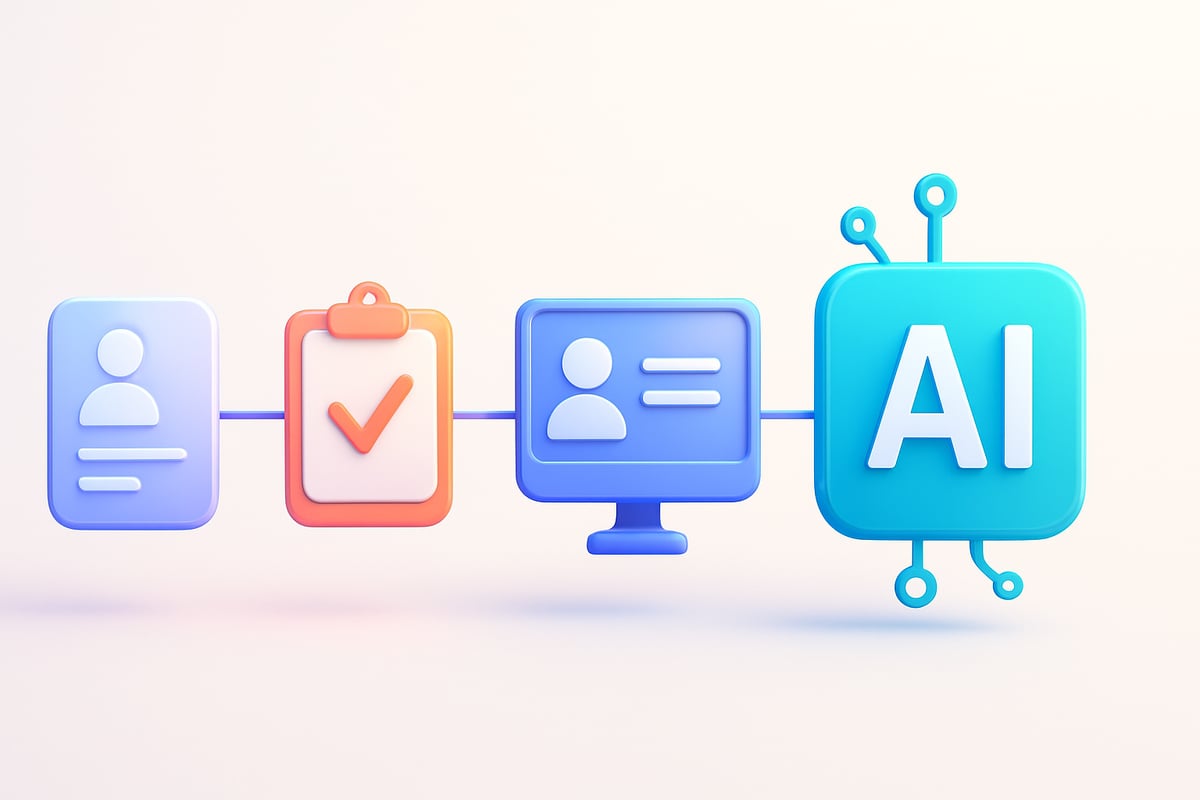
The journey of talent matching technology is marked by several critical milestones. The introduction of applicant tracking systems (ATS) in the late 20th century brought the first wave of automation, allowing organizations to organize and manage candidate information more efficiently. However, early ATS platforms were limited, primarily filtering resumes based on keywords and basic criteria.
The next major leap came with the integration of artificial intelligence and machine learning. AI-powered platforms began leveraging vast datasets to identify subtle patterns in successful hires. Deep semantic embeddings, candidate scoring algorithms, and predictive analytics transformed talent matching. Instead of merely matching keywords, these systems could assess skills, experience trajectories, and even cultural fit.
By 2025 and 2026, explainable AI models became standard. Recruiters gained insights into why specific candidates were recommended, fostering transparency and trust. Modern platforms achieved up to 92% reduction in screening time and reported match accuracy rates as high as 97%. Emerging solutions, such as those featured in AI tools for talent acquisition, showcase how these advancements support organizations in making faster, evidence-based hiring decisions.
Today, talent matching platforms continue to evolve, integrating real-time analytics and adaptive algorithms that learn from every hiring cycle. These innovations have set a new benchmark for precision and efficiency in recruitment.
The Shift Towards Fairness and Bias Reduction
As talent matching technology advanced, the industry faced growing scrutiny around fairness and bias. Traditional hiring methods often perpetuated unconscious bias, leading to unequal opportunities and homogenous teams. The adoption of AI in talent matching created both challenges and opportunities in this area.
Modern AI-driven talent matching systems are designed to identify and eliminate potential sources of bias. Leading solutions claim up to 99% reduction in hiring bias by anonymizing candidate information and applying standardized evaluation criteria. Explainable AI features allow recruiters to understand and audit decisions, ensuring compliance with evolving regulatory standards.
Ethical considerations have become central to the development of talent matching tools. Organizations are now required to demonstrate transparency in their processes and adhere to fair hiring practices. In 2026, regulatory trends are pushing for greater accountability, making bias mitigation a core feature of any credible talent matching platform.
The future of talent matching will depend on striking a balance between technological innovation and ethical responsibility. As organizations continue to adopt these advanced solutions, the focus remains on creating a more equitable and performance-driven workforce.
Understanding the Talent Matching Process: Step-by-Step in 2026
Recruitment in 2026 has transformed into a precise science, powered by advanced technology and analytics. Organizations now rely on a structured, data-driven approach to talent matching that ensures every hire is a strategic fit. Understanding each step in this process is crucial for companies aiming to attract, evaluate, and select the best talent with confidence and speed.

Step 1: Defining Role Requirements and Success Profiles
The first step in talent matching is to create a clear blueprint for the ideal candidate. Organizations start by analyzing the job role, using real-time market data and industry benchmarks to set expectations. Hiring managers contribute essential insights, while HR teams use competency frameworks to outline the skills, experience, and personality traits needed for success.
By leveraging analytics, companies develop detailed success profiles that go beyond basic qualifications. These profiles include must-have and nice-to-have competencies, cultural values, and performance indicators linked to top performers. This foundation ensures that every subsequent stage of the talent matching process aligns with organizational goals and reduces the risk of mismatches.
Step 2: Sourcing and Pooling Candidates
Once the requirements are defined, organizations turn to modern sourcing strategies to build a robust candidate pool. Centralized platforms and AI-powered distribution tools automate job postings, reaching passive and active candidates across multiple channels. Automated filtering and candidate pooling streamline large volumes of applications, allowing recruiters to focus on high-potential talent.
For a deeper dive into effective sourcing in 2026, consider exploring candidate sourcing strategies, which outlines how leading companies leverage technology to attract top talent. By integrating advanced tools, companies ensure the talent matching process starts with the strongest possible pool of applicants.
Step 3: Assessing Skills, Personality, and Potential
Assessment is the heart of modern talent matching. Organizations use a mix of psychometric assessments, structured interviews, and technical tests to evaluate both hard and soft skills. Tools like DISC+ provide insights into personality and work style, while AI analyzes assessment data to detect strengths, gaps, and growth potential.
AI-driven platforms assess not only technical expertise but also cultural fit and adaptability. This holistic approach allows companies to predict long-term performance and team compatibility. By prioritizing both skills and personality, the talent matching process produces candidates who are more likely to thrive and stay engaged.
Step 4: AI-Driven Matching and Candidate Ranking
With assessment data in hand, AI algorithms take center stage. Advanced models process resumes and application materials using deep semantic embeddings, extracting nuanced patterns that traditional keyword searches might miss. Each candidate receives a match score based on skill overlap, career progression, and even company similarity.
These intelligent systems rank candidates in real time, highlighting those who align most closely with the role and organizational culture. Recruiters can review transparent scoring and rationale, ensuring the talent matching process remains evidence-based and free from guesswork. This step dramatically increases both the speed and accuracy of hiring.
Step 5: Shortlisting and Decision-Making
The final step brings together technology and human insight. AI-powered shortlists present recruiters with the top candidates, but human oversight ensures alignment with team dynamics and business priorities. Explainable AI models provide clear, auditable reasons for each recommendation, supporting fair and compliant decision-making.
Recruiters use collaborative workflows to gather feedback and make data-driven selections. The end result is a streamlined talent matching process that delivers the right hire, reduces time-to-fill, and strengthens overall organizational performance.
The Role of AI and Data Analytics in Talent Matching
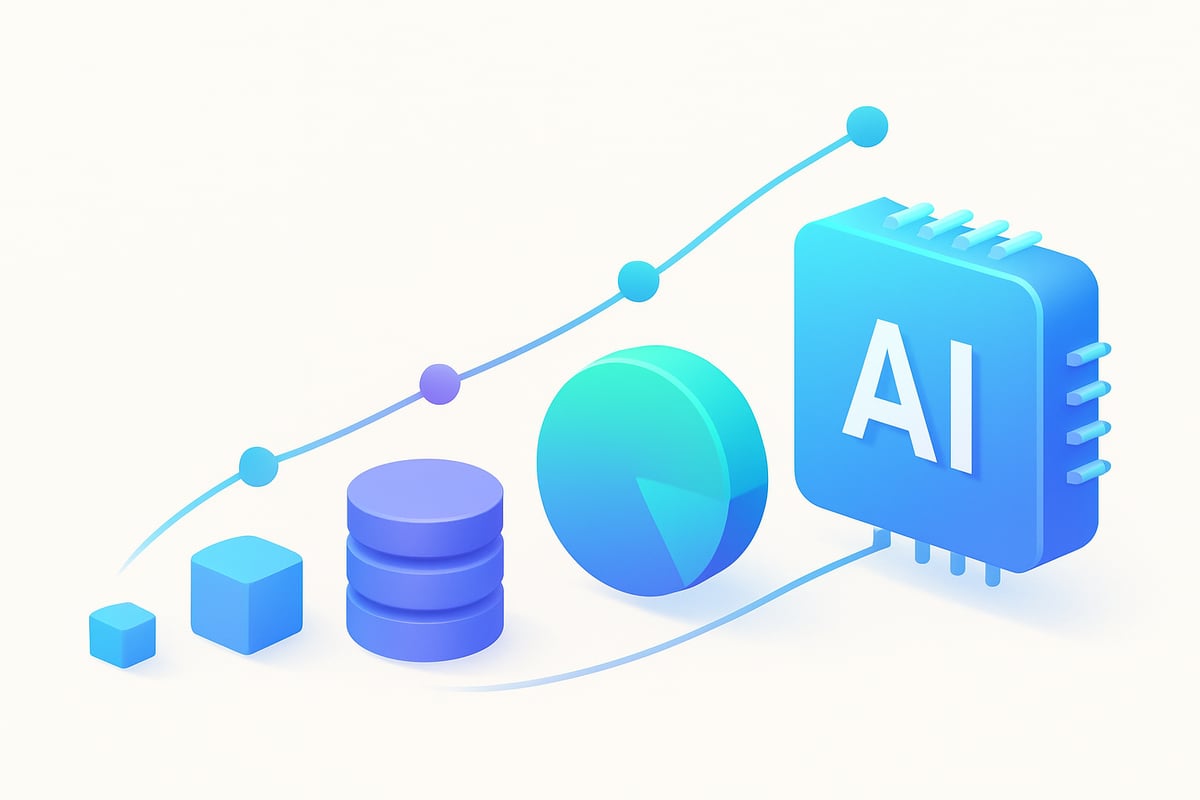
Artificial intelligence and data analytics have transformed talent matching into a precise science in 2026. Gone are the days when recruiters relied solely on intuition or manual screening. Today, modern systems leverage vast datasets, sophisticated algorithms, and advanced analytics to match candidates with roles more accurately than ever before.
This shift allows organizations to evaluate not just skills, but also potential and cultural fit, ensuring a better match for both employers and job seekers. With these advancements, talent matching has become faster, fairer, and more predictive, driving significant improvements in hiring outcomes.
Ensuring Explainability and Fairness in AI Matching
One of the most significant advances in talent matching is the focus on explainable AI models. Recruiters and hiring managers must understand how decisions are made, especially when algorithms suggest a candidate for a role. Transparent scoring systems now break down the reasons behind every match, providing clear evidence of why a particular candidate was recommended.
This transparency builds trust and supports compliance with evolving regulations. Companies are increasingly required to demonstrate that their talent matching processes are fair and bias free. Modern platforms use bias mitigation techniques that analyze data for patterns of discrimination and adjust algorithms accordingly.
For example, leading solutions now report up to 99 percent bias reduction. These platforms monitor for potential bias in age, gender, ethnicity, and more, ensuring a level playing field for all applicants. Regular audits and ongoing algorithm refinement further support fairness in hiring.
AI also helps recruiters focus on candidate potential, not just past experience. By analyzing a broader range of data, including soft skills and cultural alignment, talent matching platforms can identify candidates who may have been overlooked in traditional processes. If you want to learn more about how analytics and AI are driving this shift, see Talent intelligence platforms explained.
In 2026, explainable and fair AI is not just a technical feature, but a strategic necessity for organizations committed to ethical hiring. The result is a more inclusive, unbiased, and effective talent matching process.
Real-World Applications and Success Stories
AI-powered talent matching is delivering measurable results across industries. Companies now use large language models and advanced analytics to process unstructured data from resumes, job descriptions, and even reference profiles. This approach goes beyond keyword scanning, extracting deep insights into skills, growth potential, and cultural fit.
For instance, leading organizations report up to 97 percent match accuracy and a dramatic reduction in screening time, sometimes as much as 92 percent. Recruiters can shortlist top candidates in seconds, allowing them to focus on relationship building and more strategic decision making.
Continuous learning from talent datasets is another key advantage. As more candidates and roles are processed, AI algorithms become increasingly precise. This reduces the risk of mismatches and drives better long term outcomes for both employers and employees.
Success stories from recent years highlight how AI driven talent matching has reduced turnover, improved team cohesion, and boosted overall productivity. Organizations that adopted these technologies early gained a significant edge in attracting and retaining top talent, especially in competitive sectors.
Ultimately, the integration of artificial intelligence and data analytics has redefined what is possible in talent matching. Companies that embrace these tools are setting new standards for hiring efficiency, fairness, and business impact.
Strategic Benefits of Effective Talent Matching for Organizations
Modern organizations face fierce competition for top talent and rising pressure to achieve better hiring outcomes. Advanced talent matching delivers a strategic advantage by connecting companies with candidates who not only meet job requirements but also align with unique organizational cultures and goals. This shift from traditional hiring methods to intelligent, data-driven systems is transforming how businesses build teams and sustain long-term success.
The strategic benefits of talent matching extend beyond filling vacancies. By harnessing cutting-edge AI and analytics, companies are reducing hiring risks, enhancing team performance, and creating environments where employees thrive. These advantages are reshaping the future of recruitment, making effective talent matching a cornerstone of organizational growth.

Improving Workplace Culture and Team Dynamics
Effective talent matching is revolutionizing how organizations nurture their workplace culture. When employees’ skills, values, and personalities are closely aligned with company culture, engagement and satisfaction rise. This alignment reduces friction, encourages open communication, and supports collaboration across teams.
Organizations leveraging advanced talent matching experience stronger team cohesion and higher morale. Employees feel more connected to their roles, which leads to increased motivation and productivity. Studies from leading platforms show that well-matched hires are 40 percent more likely to stay with the company for three years or longer, directly reducing turnover and the disruption it causes.
Cultural fit is not just about shared values. It also involves matching working styles, adaptability, and growth potential. Modern talent matching platforms assess these factors using sophisticated analytics and psychometric tools, ensuring each hire supports long-term organizational goals. As a result, companies see tangible improvements in innovation and resilience, building teams that adapt quickly to market changes.
Impact on ROI and Hiring Costs
The impact of talent matching on business performance is substantial. Organizations adopting AI-driven talent matching solutions report significant reductions in recruitment expenses and time-to-hire. Automated screening and advanced analytics eliminate repetitive manual tasks, allowing recruiters to focus on high-value activities and strategic decision-making.
Better-fit hires mean fewer costly mismatches and lower turnover rates, saving direct and indirect costs linked to recruitment, onboarding, and lost productivity. According to recent data, some companies have achieved up to a 92 percent reduction in screening time and a 30 percent decrease in overall hiring costs. These efficiency gains contribute directly to improved return on investment.
Adopting advanced talent matching also strengthens an organization’s competitive edge. Companies that match candidates accurately can attract and retain high performers, even in tight labor markets. For a deeper look at how AI boosts efficiency and candidate matching accuracy, see AI's impact on hiring efficiency. Ultimately, effective talent matching empowers organizations to build agile, high-performing teams that drive growth and maintain leadership in their industries.
Key Features to Look for in 2026 Talent Matching Platforms
Selecting the right talent matching platform in 2026 can make a world of difference for organizations aiming to build strong teams faster and smarter. With the surge in digital transformation, platforms now offer an impressive array of features that redefine efficiency and accuracy in talent matching. To stay competitive, it is crucial to understand what sets leading solutions apart in this evolving landscape.
Automated CV analysis is foundational in top-tier talent matching platforms. Advanced algorithms rapidly process vast pools of resumes, extracting deep insights from both structured and unstructured data. Real-time candidate ranking ensures recruiters can instantly identify the best fits, while customizable AI algorithms adapt to unique organizational needs. Modern solutions also provide comprehensive analytics dashboards, offering actionable data on every stage of the recruitment funnel. According to recent AI adoption in recruitment, nearly 67% of global companies now leverage AI-driven platforms, reflecting the mainstream shift toward smarter, data-led hiring.
Seamless integration with applicant tracking systems is another hallmark of next-generation talent matching. These platforms offer user-friendly workflows, allowing recruiters to post jobs, evaluate candidates, and manage pipelines from a single interface. Plug-and-play job posting capabilities save valuable time and reduce administrative overhead. Bias mitigation is a core feature, with explainable scoring models designed to ensure fairness and compliance. Ongoing model refinement, driven by real-world hiring data, guarantees that the platform evolves alongside changing business needs.
Recruiters also benefit from centralized candidate pools, which make it easy to access and compare applicants across multiple roles. Structured interview guides and skills-based assessments help organizations evaluate both hard and soft skills, supporting more comprehensive decision-making. For a deeper dive into how personality and cultural fit are assessed within talent matching, see this guide on personality assessment for hiring. These features not only speed up the hiring process but also support more accurate, evidence-based selections.
In summary, the essential features of a 2026-ready talent matching platform empower organizations to hire with confidence. By combining automation, analytics, bias control, and seamless recruiter support, these solutions deliver measurable improvements in hiring outcomes. Staying ahead means investing in platforms that bring together adaptability, transparency, and continuous innovation in talent matching.
Future Trends and Innovations in Talent Matching
The landscape of talent matching is rapidly transforming as we approach the future of work. Organizations are embracing emerging technologies and strategies to stay competitive, and the pace of innovation is only accelerating. As data-driven approaches become the norm, the next era will be defined by even more sophisticated, adaptive, and human-centric solutions.
One of the most significant evolutions in talent matching is the introduction of agentic AI. These advanced systems not only automate repetitive tasks but also interact autonomously, learning from every hiring cycle to refine recommendations. Agentic AI leverages large language models and deep semantic analysis, enabling platforms to understand nuanced candidate attributes and predict complex career trajectories. According to recent research, fine-tuned AI models are enhancing recruitment automation, making the process more precise and scalable. For further insights, see AI's role in recruitment automation.
Another major trend is the focus on skills intelligence and continuous upskilling. As job requirements evolve, talent matching platforms now assess not just current competencies, but also a candidate’s learning agility and potential for future growth. This shift supports workforce mobility, allowing organizations to redeploy talent internally and adapt to changing business needs. Predictive modeling tools analyze individual career paths, helping employers anticipate which candidates are most likely to succeed and develop over time.
Regulatory changes and ethical standards are also shaping talent matching. Lawmakers and industry bodies are introducing new guidelines to ensure fairness, transparency, and accountability in AI-driven hiring. Platforms are responding with explainable AI, bias mitigation features, and compliance dashboards. This focus on ethical recruitment is expected to become standard practice, building trust among candidates and employers alike.
Technological innovation is expanding what is possible in talent matching. Virtual reality assessments offer immersive simulations that evaluate real-world skills, while real-time collaboration tools connect hiring teams across geographies. Hyper-personalized candidate experiences, powered by AI, engage applicants and provide tailored feedback, improving both satisfaction and outcomes.
Industry analysts predict continued growth in the AI recruitment sector, with organizations investing heavily in smarter, more adaptive solutions. For a comprehensive overview of current market trends and future projections, visit AI-driven recruitment market trends. The future of talent matching will be defined by continuous learning, ethical innovation, and a relentless drive toward better alignment between talent and opportunity.
As organizations prepare for the future, those who invest in advanced talent matching will secure a decisive edge. By embracing these innovations, companies can build agile, high-performing teams that thrive in an ever-changing world.


