
November 18, 2025
Talent Tracking Guide: Mastering Workforce Success in 2025

By 2025, organizations that excel at talent tracking will be positioned far ahead in the race for workforce excellence. As the pace of change accelerates, mastering talent tracking becomes essential for HR leaders and business owners aiming to build agile, future-ready teams.
This guide equips you with the strategies and insights needed to turn workforce data into a competitive advantage. You will discover what talent tracking truly means, its measurable benefits, the latest technologies shaping the field, step-by-step implementation guidance, and proven best practices to unlock your team's full potential.
Ready to outperform your competition and future-proof your organization? Dive in for actionable strategies that will redefine workforce success.
Understanding Talent Tracking: Definition and Core Concepts
Talent tracking is the systematic process of monitoring, evaluating, and documenting employee performance, skills, and potential within an organization. Unlike traditional HR record-keeping, which focused mainly on static data entry, talent tracking has evolved into a dynamic, data-driven discipline. This shift allows businesses to make informed decisions and remain agile in a competitive workforce landscape.
Over the years, talent tracking has transformed. Organizations now leverage real-time data and analytics to gain insights far beyond what manual spreadsheets once offered. This evolution is powered by technology, making it possible to map out workforce capabilities and respond quickly to changing business needs.
At the core of talent tracking are several essential components. Performance metrics provide a snapshot of employee achievements, while a skills inventory catalogs each individual's strengths and certifications. Career progression records document promotions and lateral moves, and training histories reveal ongoing development. Aspirations, such as leadership ambitions, round out the picture, offering a holistic view of both current and future potential.
For example, tracking sales figures can highlight top performers, while monitoring certifications ensures compliance and readiness for new challenges. Leadership potential is often identified through a combination of these data points, supporting robust succession planning. According to industry leaders like Qualee, talent tracking enables organizations to plan for succession, address skill gaps, and make decisions rooted in accurate, up-to-date information.
The strategic role of talent tracking extends to both individual and organizational growth. By having a clear understanding of workforce skills and aspirations, HR leaders can align development programs with business objectives. Employees benefit from targeted training and advancement opportunities, while organizations gain the agility to promote from within or pivot during market changes.
A key distinction in talent tracking is between passive and active systems. Passive systems simply record data, while active talent tracking systems continuously analyze and update information to provide actionable insights. Modern solutions, such as those described in the talent intelligence platform overview, serve as the technological backbone for these advanced approaches.
Effective talent tracking supports both short-term results and long-term growth. It empowers leaders to identify high-potential employees, close skill gaps, and ensure that the right people are in the right roles at the right time. This comprehensive approach positions organizations to thrive in 2025 and beyond.

The Strategic Benefits of Talent Tracking in 2025
Organizations in 2025 face a dynamic landscape, where proactive talent tracking is a cornerstone of business resilience and growth. By leveraging data-driven insights, forward-thinking companies can anticipate workforce needs and respond quickly to market changes. The strategic benefits span every level of the organization, empowering decision-makers to unlock untapped potential and drive sustainable success.

Enhancing Workforce Planning and Agility
Effective talent tracking is the engine behind agile workforce planning. By continuously monitoring employee skills and performance, organizations can identify gaps, anticipate future requirements, and allocate talent where it will have the most impact. This real-time approach allows for rapid adaptation during periods of change, whether scaling up for new markets or pivoting business models.
For example, when a company aligns talent tracking with workforce planning strategies, it gains the ability to forecast staffing needs, minimize disruptions, and optimize resource allocation. This reduces both operational risk and unnecessary hiring costs, ultimately strengthening the organization’s competitive edge.
Succession Planning and Skill Gap Identification
Talent tracking is essential for building a robust leadership pipeline and ensuring business continuity. By systematically evaluating employee performance, potential, and aspirations, HR leaders can identify high-potential individuals ready for advancement. This proactive approach enables organizations to develop targeted succession plans, reducing the risk of leadership gaps.
Additionally, talent tracking uncovers skill shortages before they impact productivity. When gaps are identified, targeted training or strategic recruitment can address these needs efficiently. This ensures that teams remain capable and future-ready, supporting both current objectives and long-term vision.
Driving Engagement, Retention, and Stakeholder Value
A well-implemented talent tracking system has a measurable impact on employee engagement and retention. Employees who see their achievements recognized and their development supported are more likely to remain committed and motivated. Organizations using talent tracking report higher productivity and a noticeable reduction in turnover rates.
Moreover, real-time talent data enables companies to advance diversity, equity, and inclusion initiatives. By making promotion and development decisions transparent and data-driven, organizations foster a culture of fairness and opportunity. Case studies show that firms leveraging talent tracking have successfully promoted from within during market shifts, preserving institutional knowledge and morale.
The benefits extend to all stakeholders. HR teams gain actionable insights for strategic planning. Managers can personalize coaching and development. Executives receive reliable data for decision-making. Employees experience greater clarity in career progression. In sum, talent tracking acts as a catalyst for organizational excellence, ensuring that every individual and every team can thrive.
Key Technologies and Trends Shaping Talent Tracking in 2025
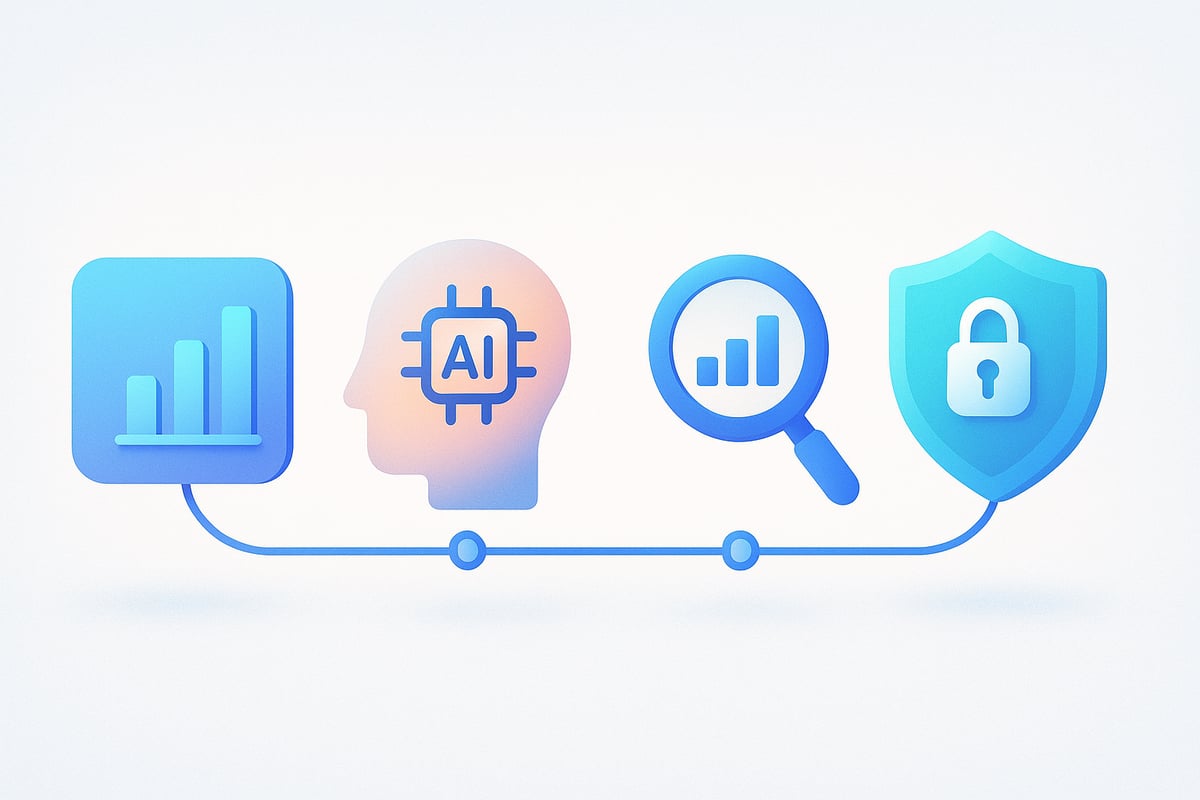
The landscape of talent tracking in 2025 is defined by rapid technological advancements. Organizations are leveraging innovative tools and strategies to gain a competitive edge in workforce management. Understanding these key trends is essential for HR leaders who aim to optimize talent tracking and drive results.
AI and Automation in Talent Tracking
AI and automation have revolutionized talent tracking by enabling organizations to process workforce data with unprecedented speed and accuracy. Modern talent tracking platforms use AI-driven analytics to evaluate employee performance, predict future potential, and identify emerging leaders.
Automation plays a crucial role in reducing manual workload for HR teams. Data collection, analysis, and reporting can now happen in real time, minimizing human error and bias. For instance, AI-powered body pose estimation in virtual environments, such as those provided by Pixotope, offers a new dimension to talent tracking by capturing detailed behavioral data.
Emerging solutions also enable automated skill matching, ensuring that organizations can respond quickly to changing business needs. According to HR Tech Trends 2025, companies that invest in AI and automation for talent tracking experience improvements in efficiency and decision-making. These tools are especially valuable for managing large, distributed workforces, where traditional methods fall short.
The integration of AI not only streamlines the process but also brings a new level of objectivity to talent tracking, supporting fair and data-driven workforce planning.
Integration with HR Tech Ecosystems
Seamless integration is now a cornerstone of effective talent tracking. Leading organizations connect their talent tracking systems with applicant tracking systems (ATS) and human resource information systems (HRIS) to ensure up-to-date, accurate employee data.
This integration enables real-time updates on skills, performance, and career progression. Talent tracking systems that offer bi-directional sync and advanced analytics dashboards empower HR teams and managers to make informed decisions quickly. Cloud-based and mobile-friendly solutions are driving adoption, allowing users to access talent tracking insights from anywhere.
Integrated platforms also improve the accuracy and consistency of data used in talent tracking. They support a unified view of the workforce, making it easier to identify skill gaps and succession opportunities. This trend reflects a shift towards holistic HR tech ecosystems, where talent tracking is not a standalone function but a key component of overall workforce management.
By aligning talent tracking with broader HR technologies, organizations can ensure that workforce planning is agile, responsive, and aligned with business goals.
Data Security and Privacy Considerations
As talent tracking becomes more data intensive, safeguarding sensitive employee information is paramount. Organizations must comply with regulations like GDPR and prioritize employee consent throughout the talent tracking process.
Best practices for data security include implementing advanced encryption, access controls, and transparent data policies. Companies leading in talent tracking invest heavily in privacy measures to build trust with their workforce. Employees want assurance that their performance data, career aspirations, and personal information are protected.
Regular audits and clear communication about data usage reinforce this trust. Transparent policies not only support compliance but also foster a culture where talent tracking is seen as a tool for growth, not surveillance.
In 2025, the organizations that excel in talent tracking will be those that balance technological advancement with robust data security, ensuring both innovation and integrity in workforce management.
Step-by-Step Guide: Implementing a Talent Tracking System in Your Organization
Implementing a talent tracking system is crucial for building a resilient, agile workforce in 2025. By following a structured approach, organizations can ensure their talent tracking initiatives are aligned with strategic goals and deliver measurable impact.

Step 1: Assess Organizational Needs and Set Objectives
Begin your talent tracking journey by identifying what success looks like for your organization. Are you aiming to improve succession planning, close skill gaps, or enhance diversity, equity, and inclusion? Engage stakeholders from HR, IT, leadership, and employee groups to clarify these goals.
Set clear, measurable objectives for your talent tracking project. For example, you might target a 20 percent improvement in internal promotions or a reduction in turnover within key departments. Align these objectives with your broader business strategy to ensure your investment in talent tracking delivers maximum value.
Step 2: Select the Right Talent Tracking Tools and Technologies
Choosing the right technology forms the backbone of effective talent tracking. Evaluate software based on features such as real-time analytics, integration capabilities, scalability, and robust security. Consider whether an off-the-shelf solution or a custom-built platform best fits your needs.
Look for platforms that offer advanced analytics, AI-powered skill assessments, and seamless integration with your existing HR systems. Solutions like those utilizing body pose estimation in virtual environments or automated skill inventories can add significant value. Factor in user experience for both HR teams and employees, as well as long-term scalability.
Budget carefully, considering not just upfront costs but also ongoing maintenance and support. Assess potential ROI by projecting how improved talent tracking could boost retention, productivity, or leadership development over time.
Step 3: Design and Map Talent Tracking Processes
Once you have selected your tools, map out the processes that will drive your talent tracking system. Define standardized workflows for collecting, evaluating, and reporting talent data. Establish clear frameworks for performance metrics, skill inventories, and career progression paths.
Visualize the employee journey, from onboarding through to leadership roles. This helps ensure every stage is tracked and supported. Develop transparent policies for data usage and privacy, so employees understand how their information is used.
Consider referencing Performance management best practices to align your processes with industry standards, ensuring your talent tracking system supports both organizational goals and employee growth.
Step 4: Train Stakeholders and Drive Adoption
Success in talent tracking depends on effective adoption across your organization. Start by onboarding HR teams, managers, and employees with comprehensive training sessions. Provide clear documentation, video tutorials, and helpdesk support to address common questions.
Foster a culture of continuous learning with regular updates and refresher courses. Encourage feedback through surveys or focus groups to identify pain points and areas for improvement. Communicate the benefits of talent tracking clearly, emphasizing how it supports career development, fair recognition, and organizational success.
Change management is vital. Address resistance by involving key influencers early in the process and sharing quick wins. This dual focus on training and communication ensures talent tracking becomes an integral part of daily operations.
Step 5: Monitor, Analyze, and Optimize
Establish dashboards and set up regular review cycles to monitor your talent tracking system’s performance. Use analytics to identify trends, skill gaps, and high-potential employees, adjusting strategies as needed.
Continuously update your skill inventories, refine performance metrics, and optimize workflows based on real-world data. Leverage insights from talent tracking to inform training, succession planning, and recruitment efforts.
Organizations that regularly review and adapt their talent tracking processes see measurable improvements in workforce agility and engagement. Emphasize ongoing optimization to ensure your system stays aligned with evolving business needs and future workforce trends.
Best Practices for Maximizing Workforce Success with Talent Tracking
Success in 2025 demands a proactive approach to talent tracking. Organizations that excel at this are more agile, innovative, and resilient. By embedding talent tracking within the fabric of your company, you empower every employee to contribute to growth, and every leader to make decisions with confidence.
Align Talent Tracking with Culture and Values
Begin by ensuring talent tracking is not merely a compliance exercise, but a strategic enabler of your unique culture. When performance metrics, skills inventories, and growth frameworks reflect your core values, employees feel their contributions matter. This alignment encourages engagement and loyalty, driving workforce success.
Personalization is key. Use insights from talent tracking to tailor development plans to individual aspirations and strengths. When employees see their evolving skills and achievements acknowledged, motivation rises. For instance, organizations that leverage talent tracking data to design personalized learning paths report higher satisfaction and retention.
Build Trust Through Transparent Feedback and Communication
Trust is the foundation of any successful workforce initiative. Transparent communication about how talent tracking data will be used builds credibility. Regular feedback sessions, informed by real-time analytics, help employees understand their progress and areas for improvement.
Managers should use talent tracking insights not only for performance reviews, but also for meaningful career conversations. This approach fosters a sense of ownership and partnership in the development journey. Employees who trust the process are more likely to engage with upskilling and take on stretch assignments.
Leverage Talent Tracking for Reviews, Promotions, and Skills Audits
Integrating talent tracking into performance reviews and promotions ensures decisions are fair and data-driven. This minimizes bias and supports merit-based advancement, which is crucial for building a diverse leadership pipeline. Regular skills audits, powered by up-to-date talent tracking, help identify gaps and inform targeted upskilling initiatives.
Adopting a skills-based hiring mindset further enhances this process. By focusing on concrete abilities rather than traditional credentials, organizations unlock hidden potential and adapt more quickly to changing business needs. This strategy is supported by leading workforce management trends, which highlight the critical role of talent tracking in strategic planning and employee mobility.
Integrate Talent Tracking with DEI and Engagement Programs
Workforce diversity, equity, and inclusion efforts are most effective when grounded in accurate talent tracking data. By monitoring representation, pay equity, and advancement rates, leaders can spot disparities early and act decisively. Integrating talent tracking with engagement surveys reveals how inclusive practices impact morale and performance.
Competitor insights from companies like Pixotope and Qualee confirm that robust talent tracking systems support both creativity and operational efficiency, in both virtual and physical environments. Continuous improvement is vital: regularly review your processes to avoid data overload or lack of follow-through. Focus on actionable metrics, clear policies, and ongoing feedback loops.
Avoid Common Pitfalls and Drive Continuous Improvement
Many organizations struggle with either collecting too much data or failing to act on insights. The best practice is to prioritize quality over quantity. Set clear objectives, involve stakeholders at every stage, and establish regular review cycles to keep your talent tracking efforts on course.
For a deeper dive into current trends and organizational outcomes, visit Workforce Management Trends, which underscores the value of talent tracking in building agile, future-ready teams.
By embedding these best practices, your organization will not only maximize workforce success, but also create a culture where every individual can thrive.
Future Outlook: The Evolution of Talent Tracking and Workforce Success
As we look toward 2025, talent tracking stands at the center of a workplace revolution. The future promises a landscape shaped by predictive analytics, real-time skill mapping, and immersive technologies like virtual and augmented reality. Organizations that embrace advanced talent tracking will gain a significant edge, supporting both agility and resilience. In this evolving era, talent tracking is no longer a static process but a dynamic engine driving workforce innovation and adaptability.
Emerging trends reveal that predictive analytics will empower leaders to anticipate skills shortages and proactively address talent gaps. Real-time skill mapping enables instant visibility into workforce capabilities, making it easier to deploy resources strategically. Virtual and augmented reality are transforming training and performance measurement, allowing organizations to simulate real-world scenarios and evaluate employee skills in highly interactive ways. These advances make talent tracking an essential pillar for any business aiming to thrive in a competitive environment.
Artificial intelligence is rapidly expanding its role in talent tracking, offering organizations the ability to forecast workforce needs and identify future leaders with greater precision. AI-driven systems analyze vast datasets, uncovering patterns and predicting which employees are most likely to excel in new roles or require upskilling. According to AI's Expanding Role in HR, a growing number of companies are integrating AI to enhance decision-making and reduce human bias. These technologies allow HR teams to move beyond intuition, leveraging data to make informed choices that support organizational growth.
Immersive innovations are also redefining how talent tracking operates. Technologies such as body pose estimation, already being used in virtual production environments like Pixotope, provide granular insights into employee performance during training or remote collaboration. By capturing detailed movement and engagement data, organizations can better assess both technical proficiency and soft skills. This level of detail makes talent tracking more comprehensive, ensuring that every aspect of an employee’s journey is measured and optimized for success.
The rise of remote and hybrid workforces has created new challenges and opportunities for talent tracking. As teams become more distributed, organizations must adapt their strategies to maintain visibility into employee performance and engagement. Digital platforms now offer real-time updates and dashboards, making it possible to track progress regardless of location. This shift not only supports business continuity but also enhances organizational competitiveness by enabling rapid response to market changes. Talent tracking, therefore, becomes an essential tool for fostering agility in an unpredictable world.
Looking ahead, the future of talent tracking will be shaped by continuous innovation and strategic integration. Experts predict that predictive analytics, immersive technologies, and AI-driven insights will become standard features in leading organizations. To stay ahead, businesses should invest in systems that are flexible, secure, and aligned with their long-term goals. For a deeper understanding of upcoming innovations, explore HR Technology Trends 2025, which highlights the tools and strategies set to define the next era of talent management.
To future-proof your workforce, prioritize ongoing learning, transparent communication, and regular evaluation of your talent tracking systems. Encourage cross-functional collaboration to ensure that technology adoption aligns with both business objectives and employee needs. By embracing these strategies, organizations will not only keep pace with change but also unlock new levels of workforce potential and resilience. The evolution of talent tracking is only beginning, and those who invest in its future will shape the success stories of tomorrow.


