
February 16, 2026
Tracking Talent: Modern Recruitment Analytics in 2026
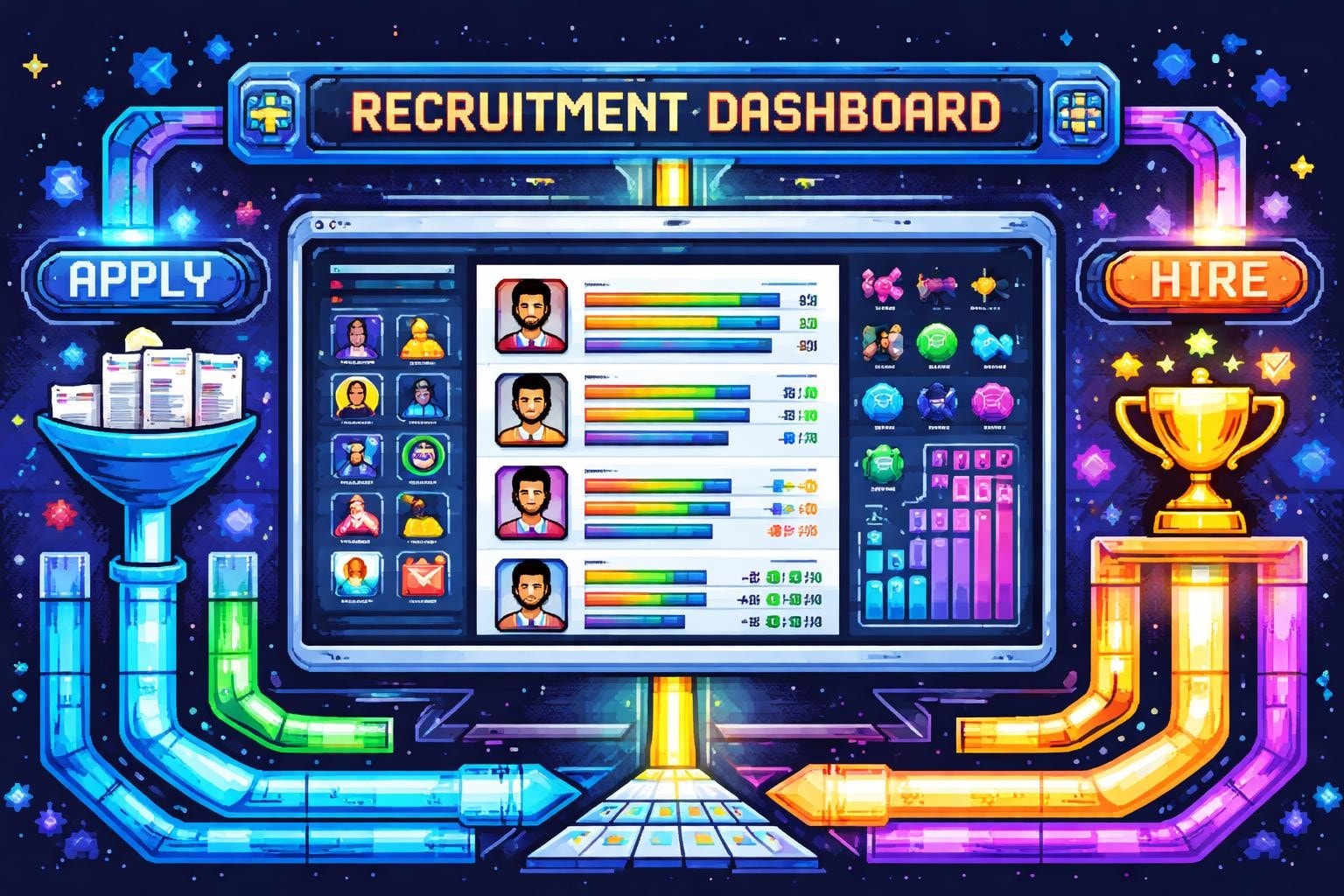
The recruitment landscape has undergone a fundamental transformation in recent years, shifting from intuition-based hiring decisions to data-driven strategies. Organizations now recognize that tracking talent through systematic methods and advanced technology is not merely a competitive advantage but a necessity for building high-performing teams. Modern recruitment demands precision, speed, and accuracy in identifying the right candidates from increasingly large applicant pools. The integration of artificial intelligence and analytics into recruitment processes has revolutionized how companies assess, rank, and ultimately select talent that aligns with their organizational needs.
The Evolution of Talent Tracking Systems
Recruitment has moved far beyond spreadsheets and manual candidate reviews. The modern approach to tracking talent involves sophisticated software platforms that capture every interaction, qualification, and data point throughout the candidate journey. These systems serve as central repositories for all recruitment activities, enabling teams to make informed decisions based on measurable criteria rather than subjective impressions.
Traditional recruitment methods often resulted in exceptional candidates slipping through the cracks due to volume overload or unconscious bias. Today's talent tracking platforms address these challenges by implementing standardized evaluation frameworks that assess every applicant against consistent benchmarks. This systematic approach ensures that no qualified candidate is overlooked simply because their CV was received during a particularly busy period or reviewed by different team members with varying standards.
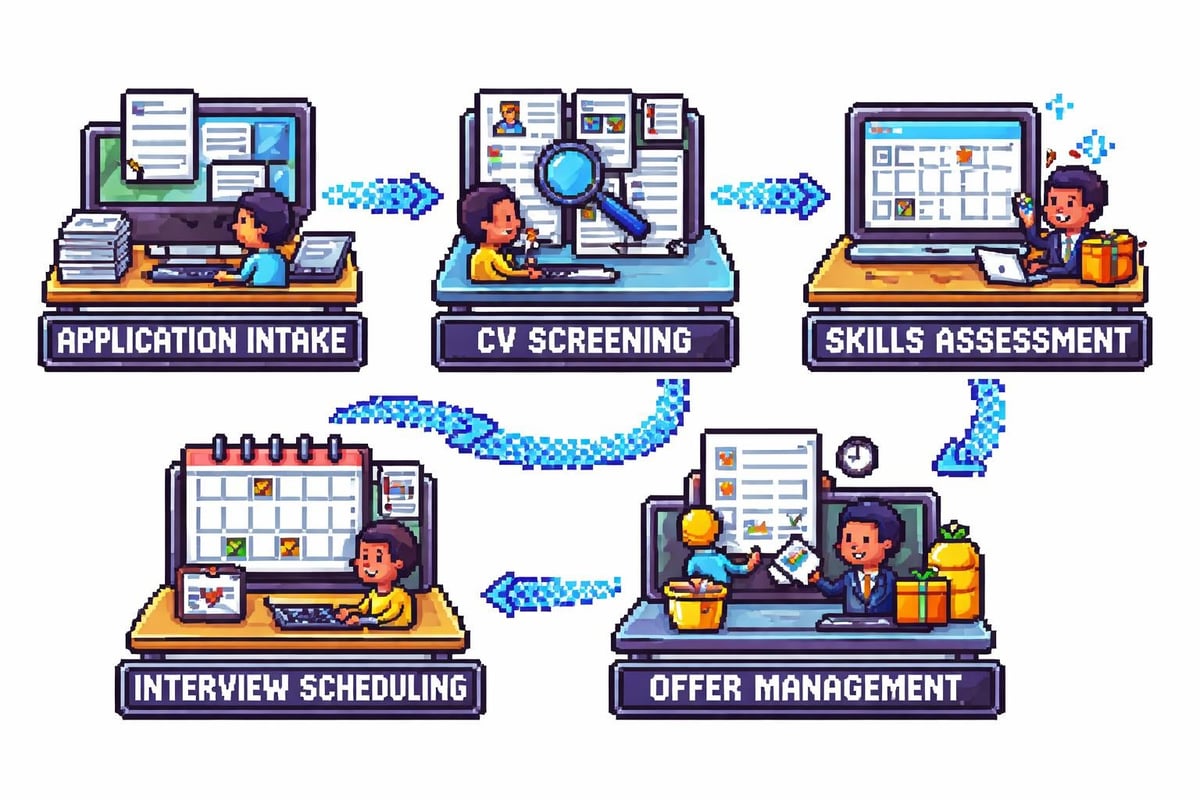
The shift toward comprehensive talent tracking has coincided with the rise of applicant tracking systems that do far more than store resumes. Modern platforms integrate with job boards, career sites, and social networks to create a seamless candidate experience while simultaneously gathering rich data about applicant sources, conversion rates, and time-to-hire metrics. Organizations leveraging best practices for using analytics in talent acquisition report significant improvements in both hiring quality and recruitment efficiency.
Core Components of Effective Talent Tracking
Successful talent tracking requires multiple interconnected elements working in harmony. The foundation begins with robust data collection mechanisms that capture both structured information like education and experience and unstructured data such as skills mentioned in cover letters or project descriptions. This comprehensive data gathering creates a complete picture of each candidate's qualifications and potential fit.
Candidate ranking algorithms represent the next critical component. These systems analyze the collected data against job requirements to generate objective scores that help recruiters prioritize their time effectively. Rather than manually reviewing hundreds of CVs, recruitment teams can focus their attention on the top-ranked candidates who demonstrate the strongest alignment with position requirements.
Communication tracking forms another essential element. Recording all interactions between recruiters and candidates provides valuable context for decision-making and ensures seamless handoffs when multiple team members are involved in the hiring process. This historical record prevents redundant questions, demonstrates professionalism, and helps identify patterns in successful versus unsuccessful candidate engagements.
Workflow automation streamlines repetitive tasks that consume significant recruiter time. Automated status updates, interview scheduling, and follow-up reminders keep the recruitment process moving forward without requiring constant manual intervention. This efficiency allows recruitment professionals to dedicate more energy to relationship building and strategic candidate evaluation.
AI-Powered Candidate Analysis
Artificial intelligence has emerged as a transformative force in tracking talent effectively. Machine learning algorithms can process thousands of CVs in seconds, identifying patterns and qualifications that might take human reviewers hours or days to uncover. These systems learn from historical hiring decisions, continuously refining their understanding of what constitutes a strong candidate for specific roles within an organization.
Natural language processing enables AI systems to extract meaningful insights from unstructured text. When candidates describe their accomplishments in varied language, AI can recognize equivalent skills and experiences regardless of how they are phrased. This capability ensures that qualified candidates are not overlooked simply because they use different terminology than what appears in the job description.
The implementation of AI-powered recruitment platforms has dramatically reduced time-to-shortlist while improving candidate quality. Rather than spending days manually reviewing applications, recruiters receive ranked shortlists within moments of posting a position. This acceleration is particularly valuable in competitive hiring markets where top talent may receive multiple offers within days of beginning their job search.
Bias reduction represents another significant advantage of AI-driven talent tracking. When properly designed and monitored, these systems evaluate candidates based purely on qualifications and fit rather than factors like name, gender, or educational institution. Organizations committed to building diverse teams find that objective AI analysis helps identify strong candidates who might have been unconsciously overlooked in traditional review processes.
Skills-Based Talent Assessment
The focus of modern recruitment has shifted from credentials to capabilities. Tracking talent now emphasizes specific skills and demonstrated competencies rather than relying solely on degree programs or previous job titles. This evolution recognizes that the most qualified candidate may not always have the most prestigious educational background or longest tenure in similar roles.

Skills tracking software enables organizations to create detailed competency models for each position, then evaluate candidates against these specific requirements. This granular approach provides far more predictive value than broad categorizations. Rather than simply knowing a candidate has marketing experience, recruiters can identify exactly which aspects of marketing they excel in and how those strengths align with current needs.
Continuous skills assessment extends beyond the initial hiring decision. Organizations implementing skills tracking and management software maintain updated records of employee capabilities, facilitating internal mobility and succession planning. This longitudinal view of talent helps companies identify development opportunities and match emerging projects with team members who have relevant expertise.
The verification of claimed skills has become increasingly sophisticated. Rather than accepting CV claims at face value, modern systems may incorporate technical assessments, portfolio reviews, or practical exercises that demonstrate actual proficiency. This validation process ensures that the tracking talent data reflects genuine capabilities rather than aspirational statements.
Metrics That Matter in Talent Tracking
Effective measurement drives continuous improvement in recruitment processes. Organizations serious about tracking talent establish clear metrics that provide insight into both efficiency and quality outcomes. These measurements help identify bottlenecks, assess the effectiveness of various sourcing channels, and justify recruitment technology investments.
Time-to-fill remains a fundamental metric, measuring the days between posting a position and accepting an offer. While speed matters, this metric must be balanced against quality considerations. A position filled quickly with a poor-fit candidate creates far more cost than a slightly longer search that identifies the ideal hire.
Source effectiveness analysis reveals which channels deliver the highest quality candidates. By tracking which job boards, referral programs, or recruiting events generate successful hires, organizations can allocate their recruitment budgets more strategically. This data-driven approach replaces assumptions about effective sourcing with concrete evidence.
Quality-of-hire metrics attempt to measure the long-term success of recruitment decisions. These might include performance ratings, retention rates, or promotion velocity for new hires. While these metrics take longer to calculate, they provide crucial feedback about whether the talent tracking process is identifying candidates who truly excel in their roles.
Candidate experience scores reflect how applicants perceive the recruitment process. Even candidates who are not ultimately hired can become brand ambassadors or future applicants if they have positive interactions. Tracking candidate satisfaction through surveys and feedback mechanisms helps organizations refine their processes to be more responsive and respectful.
Integration with Broader HR Systems
Talent tracking does not exist in isolation. The most effective implementations integrate seamlessly with other human resource management functions, creating a unified view of the employee lifecycle from initial application through retirement. This integration eliminates data silos and enables more strategic workforce planning.
Connecting recruitment systems with onboarding platforms ensures that new hire information flows smoothly from the candidate database into employee records. This continuity reduces administrative burden and allows new team members to begin contributing more quickly. Rather than re-entering basic information across multiple systems, HR teams can focus on welcoming and supporting new employees.
Performance management integration creates feedback loops that improve future hiring decisions. When recruitment systems track which candidates were hired and subsequent performance management systems record their contributions, organizations can identify which assessment criteria most reliably predict success. This continuous learning refines the talent tracking process over time.
Learning and development connections help identify skill gaps and training needs. Understanding the capabilities that new hires bring versus the competencies required for excellence in their roles enables targeted development programs. This proactive approach accelerates time-to-productivity and improves retention by demonstrating investment in employee growth.
Best Practices for Applicant Tracking Systems
Organizations implementing or optimizing their approach to tracking talent should follow established guidelines that maximize system effectiveness. These ATS best practices for 2025 reflect lessons learned from thousands of recruitment teams across various industries and company sizes.
Standardize job descriptions to include clear competency requirements and qualification criteria. This consistency enables better candidate matching and more accurate ranking algorithms. Vague or inconsistent position descriptions confuse both applicants and automated systems, reducing the quality of the candidate pool.
Maintain clean, updated data within the system. Regular database hygiene prevents duplicate records, outdated contact information, and irrelevant candidate profiles from cluttering the talent pool. This maintenance work pays dividends when searching for candidates with specific skills or when re-engaging previous applicants for new opportunities.
Train all users on system capabilities and proper usage. Even the most sophisticated applicant tracking system delivers limited value if recruiters do not understand its features or use them inconsistently. Comprehensive training ensures that the entire team leverages the platform effectively.

Configure automated workflows thoughtfully. While automation improves efficiency, overly aggressive automated rejections or impersonal communications can damage employer brand. The right balance leverages technology for routine tasks while preserving human judgment and personal touch for critical interactions.
Mobile Accessibility and Candidate Engagement
The increasing prevalence of mobile devices has transformed how candidates interact with potential employers. Tracking talent in 2026 requires systems optimized for smartphone and tablet access, recognizing that many applicants will first encounter job postings and submit applications through mobile devices.
Mobile-responsive application processes reduce friction and improve completion rates. Candidates who encounter lengthy forms or difficult file upload processes on mobile devices often abandon applications midstream. Simplified mobile experiences that allow quick submissions increase the size and diversity of applicant pools.
Communication preferences have shifted toward text messaging and mobile notifications. Candidates expect timely updates about their application status and appreciate the convenience of text-based interview scheduling. Systems that accommodate these preferences demonstrate respect for candidate time and improve engagement throughout the recruitment process.
Mobile access for recruiters enables more flexible work patterns and faster response times. Recruitment professionals who can review candidate profiles, provide feedback, and advance applicants through pipeline stages from anywhere maintain momentum even when away from their desks. This flexibility is particularly valuable for coordinating with hiring managers or responding to urgent hiring needs.
Compliance and Data Protection
Tracking talent generates substantial personal information that must be handled responsibly. Organizations face regulatory requirements regarding data storage, processing, and retention that vary by jurisdiction. Robust compliance frameworks protect both candidates and employers from legal risks.
Data minimization principles encourage collecting only information directly relevant to hiring decisions. While comprehensive candidate profiles provide valuable context, unnecessary personal details create privacy risks without improving recruitment outcomes. Thoughtful data collection policies balance thoroughness with respect for candidate privacy.
Retention policies determine how long candidate information remains in the system. Regulatory requirements often specify maximum retention periods for unsuccessful applicants, requiring automated purging of outdated records. These policies also serve candidates who may not want their information stored indefinitely.
Consent management ensures candidates understand how their information will be used. Transparent privacy notices and clear opt-in mechanisms for future communications demonstrate ethical data practices. These protections build trust with candidates and reduce the risk of regulatory violations.
Access controls limit who can view sensitive candidate information. Role-based permissions ensure that only authorized team members access personal data, reducing the risk of breaches or inappropriate use. Audit trails track all data access, providing accountability and supporting compliance verification.
Future Trends in Talent Tracking
The recruitment technology landscape continues to evolve rapidly. Emerging capabilities promise even more sophisticated approaches to tracking talent and making hiring decisions. Organizations that stay informed about these developments can maintain competitive advantages in attracting top performers.
Predictive analytics will increasingly forecast candidate success and cultural fit. By analyzing patterns across thousands of hiring decisions and subsequent employee outcomes, machine learning models will provide probabilistic assessments of how well specific candidates will perform in particular roles. These predictions supplement rather than replace human judgment.
Video analysis technology may evaluate recorded interview responses for communication skills, enthusiasm, and other soft competencies. While controversial, these tools promise to add objective data to traditionally subjective assessments. Ethical implementation will require transparency about when and how such analysis occurs.
Blockchain applications could verify credentials and employment history, reducing resume fraud and streamlining background checks. Candidates maintaining verified career records on distributed ledgers would enable instant validation of their qualifications, accelerating the hiring process.
Enhanced internal mobility platforms will help organizations identify existing employees for open positions before seeking external candidates. By tracking talent already within the company and matching their skills to new opportunities, these systems reduce hiring costs and improve retention.
Measuring Return on Investment
Recruitment technology investments require justification through demonstrated value. Organizations tracking talent through advanced systems should quantify both cost savings and quality improvements to validate their approach and guide future technology decisions.
Cost-per-hire calculations compare total recruitment expenses to the number of positions filled. Technology that reduces recruiter time, minimizes external agency fees, or improves offer acceptance rates directly impacts this metric. Tracking these elements separately helps identify which system features deliver the greatest value.
Quality-of-hire assessments examine whether improved tracking talent processes result in better performing employees. Comparing performance ratings, retention rates, and productivity metrics between hires made with advanced systems versus traditional methods provides evidence of technology impact.
Recruiter productivity measurements evaluate how many positions each team member can effectively manage. Systems that automate routine tasks and streamline workflows enable individual recruiters to handle larger requisition loads without sacrificing quality. This efficiency translates directly to cost savings or capacity for growth.
Candidate satisfaction improvements contribute to employer brand strength. Positive candidate experiences lead to higher offer acceptance rates, more employee referrals, and stronger talent pipelines. While harder to quantify financially, these brand benefits compound over time.
Choosing the Right Talent Tracking Solution
Organizations evaluating recruitment technology face numerous options with varying capabilities and price points. Selecting the appropriate system requires careful assessment of current needs, future growth plans, and existing technology infrastructure.
Scalability considerations ensure the chosen system can grow with the organization. A solution perfect for a company hiring fifty people annually may prove inadequate when hiring volume triples. Understanding capacity limits and upgrade paths prevents costly migrations down the road.
Integration capabilities determine how well the tracking talent system connects with existing HR software, communication platforms, and business intelligence tools. Seamless data flow between systems eliminates manual data entry and enables comprehensive reporting across the employee lifecycle.
User experience for both recruiters and candidates affects adoption and effectiveness. Intuitive interfaces reduce training time and errors while encouraging consistent system usage. Complicated or unintuitive systems often see workarounds develop that undermine data quality.
Support and training resources from the vendor help teams maximize their investment. Responsive customer service, comprehensive documentation, and regular training opportunities ensure that users can troubleshoot issues quickly and learn about new features as they are released. When evaluating automated hiring tools, consider the level of ongoing support provided.
Customization options allow the system to adapt to unique organizational processes rather than forcing workflow changes. While some standardization benefits recruitment effectiveness, the ability to configure fields, workflows, and reports ensures the system supports rather than constrains recruitment strategy.
Effective tracking talent has become essential for organizations seeking to build exceptional teams in competitive labor markets. The combination of comprehensive data collection, AI-powered analysis, and systematic evaluation processes enables recruitment teams to identify and engage the strongest candidates quickly and objectively. Klearskill transforms this vision into reality by analyzing candidate CVs with artificial intelligence and delivering ranked shortlists in moments, allowing your recruitment team to focus on the most promising candidates rather than drowning in application volume.


