
February 18, 2026
US IT Recruitment: Strategies and AI-Driven Solutions
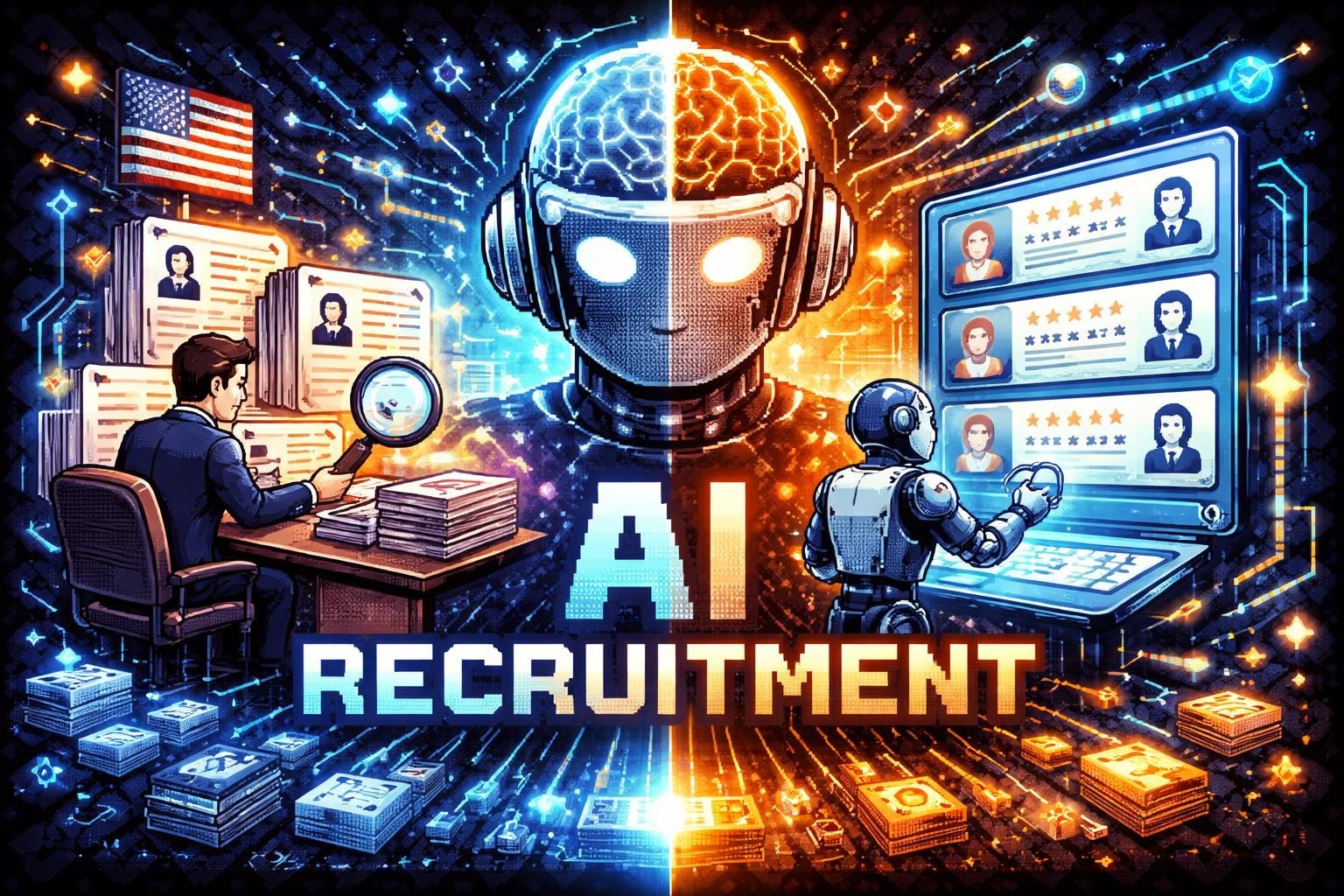
The landscape of us it recruitment has undergone radical transformation in recent years, driven by technological advancement, evolving workforce expectations, and persistent talent shortages. As organizations compete for specialized technology professionals in an increasingly tight labor market, the methods and tools used to identify, attract, and secure top IT talent have become critical differentiators. The integration of artificial intelligence into recruitment workflows represents one of the most significant shifts in how companies approach hiring, particularly within the technology sector where demand consistently outpaces supply.
The Current State of US IT Recruitment
The United States technology sector continues to experience unprecedented demand for skilled professionals across nearly every specialization. From cloud architects and cybersecurity specialists to software developers and data scientists, organizations struggle to fill positions quickly enough to maintain competitive advantage. According to recent market analysis, the online recruitment market is projected to grow by USD 4.22 billion between 2024 and 2028, with innovations in hiring AI driving much of this transformation.
This growth reflects fundamental changes in how companies approach talent acquisition. Traditional recruitment methods that relied heavily on manual resume review and linear screening processes simply cannot keep pace with the volume of applications modern organizations receive. A single technology position can attract hundreds of applicants within days, making efficient candidate evaluation essential.
Technology Talent Shortages Drive Innovation
The gap between available IT professionals and open positions has forced recruitment teams to rethink their entire approach. Companies can no longer afford to lose qualified candidates due to slow response times or inefficient screening processes. The war for talent has intensified to the point where organizations must move quickly while maintaining high standards for candidate quality.
Specialized roles present particular challenges. When searching for candidates with niche technical expertise or specific combinations of skills, recruiters often face limited applicant pools. This scarcity makes every qualified candidate valuable and increases the cost of mistakes in the hiring process. Missing a strong candidate buried in a large applicant pool or spending too much time on unqualified prospects can have significant business consequences.
The shortage extends beyond technical skills alone. Organizations increasingly seek candidates who combine technical proficiency with soft skills like communication, collaboration, and adaptability. Evaluating this broader skill set through traditional resume review methods adds another layer of complexity to us it recruitment.
Artificial Intelligence Reshaping Recruitment Processes
Artificial intelligence has emerged as the primary solution for managing the complexity and scale of modern IT recruitment. These systems analyze candidate information at speeds impossible for human recruiters, processing hundreds of resumes in minutes while identifying patterns and qualifications that align with role requirements. The technology examines not just keywords but contextual relationships between skills, experience levels, and job specifications.
Research shows that AI is already disrupting hiring in IT, yet only 37% of U.S. hiring leaders feel adequately prepared for this technological shift. This preparation gap highlights both the transformative potential of AI and the challenges organizations face in implementing these systems effectively.
Modern CV screening software leverages machine learning algorithms that improve with each evaluation. These systems learn from recruiter feedback, refining their understanding of what constitutes a strong candidate for specific roles within specific organizational contexts. This adaptive capability means the technology becomes more accurate and valuable over time.
How AI Evaluates IT Candidates
The evaluation process begins with comprehensive analysis of candidate resumes. AI systems extract structured data from unstructured documents, identifying technical skills, certifications, education credentials, work history, and project experience. Natural language processing enables these tools to understand context, recognizing that "led development of cloud infrastructure" carries different weight than "assisted with cloud infrastructure projects."
Beyond simple keyword matching, sophisticated AI recruitment platforms assess skill adjacencies and transferable capabilities. For instance, a candidate with extensive AWS experience may quickly adapt to Azure environments, even without specific Azure credentials listed. This nuanced understanding helps recruiters identify candidates who might excel in roles despite not perfectly matching every listed requirement.
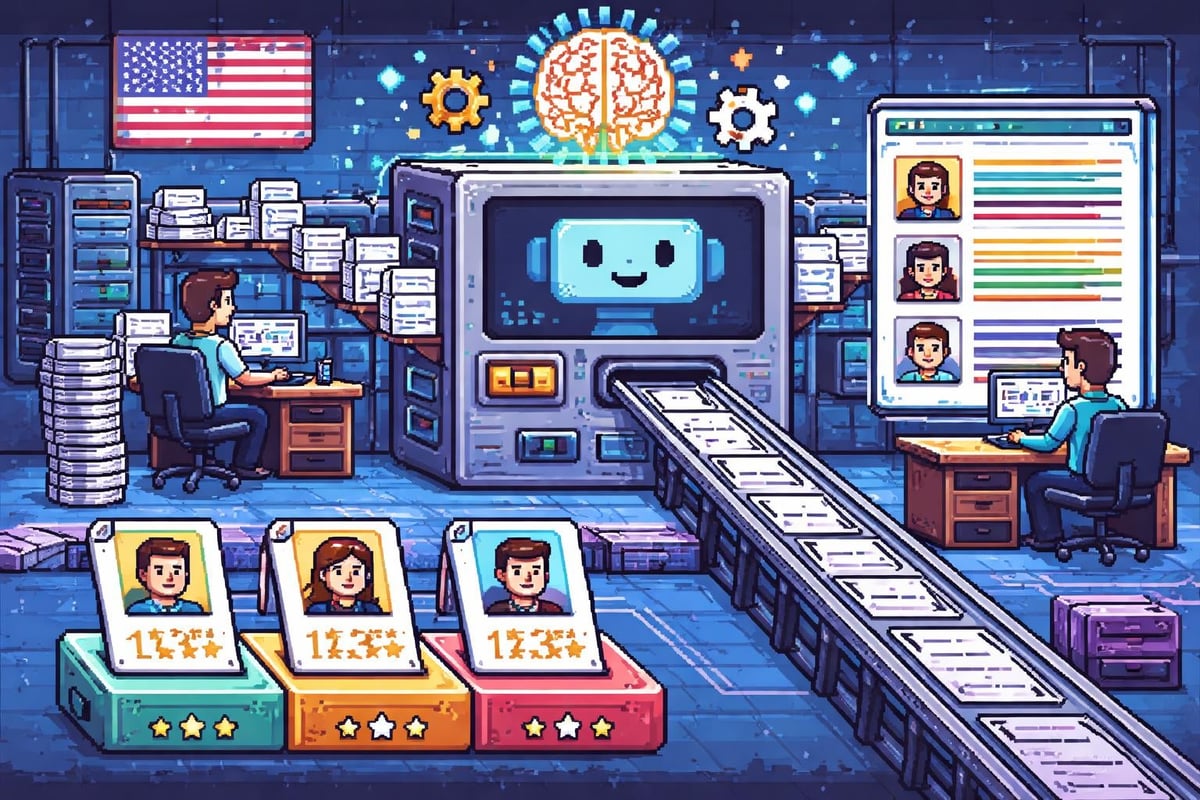
The ranking process aggregates multiple evaluation factors into comprehensive candidate scores. AI resume screening considers technical qualifications, experience levels, career progression patterns, and alignment with role specifications. Recruiters receive shortlists organized by candidate strength rather than chronological application order, fundamentally changing how they allocate their time and attention.
Skill-Based Hiring Transforms Candidate Evaluation
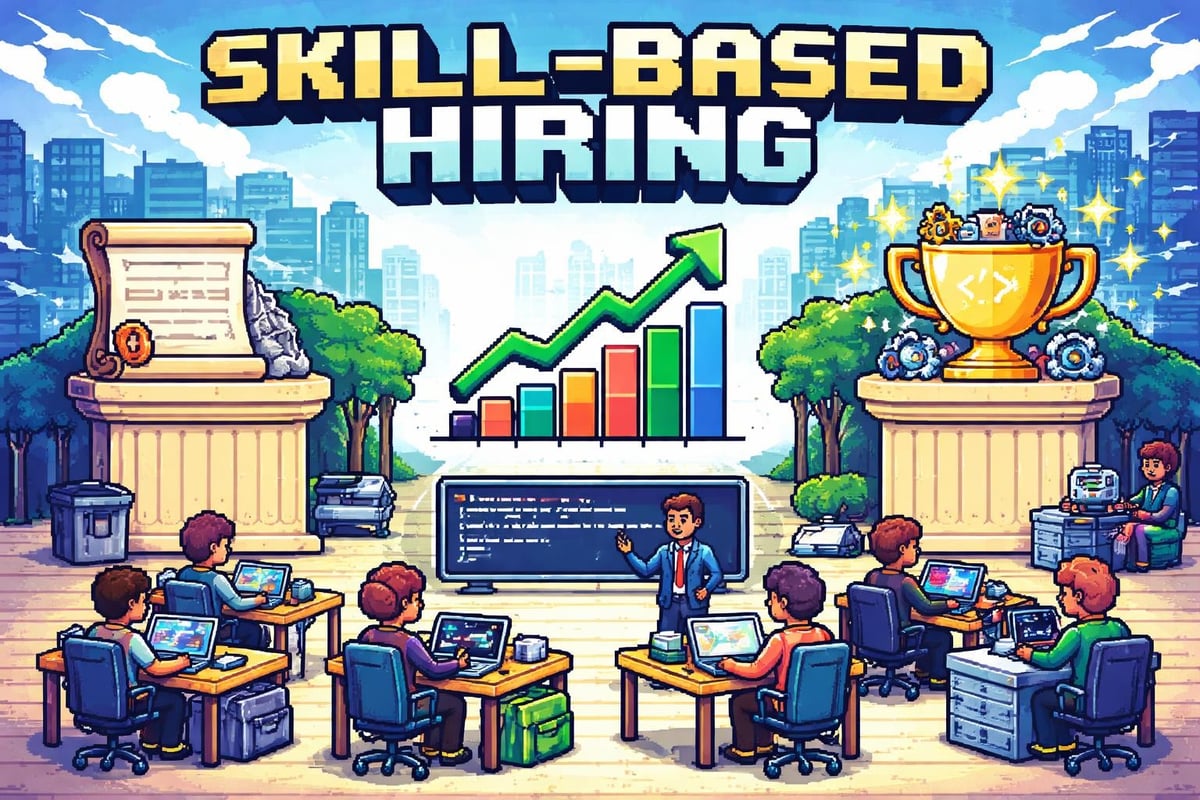
A significant trend reshaping us it recruitment involves the movement toward skill-based hiring practices. Academic research analyzing recruitment patterns in AI and green jobs reveals declining emphasis on formal degrees and rising focus on demonstrable skills. This shift reflects growing recognition that traditional educational credentials may not accurately predict job performance in rapidly evolving technology fields.
Organizations increasingly value practical experience with specific technologies, frameworks, and methodologies over academic pedigree. A candidate who has successfully deployed containerized applications in production environments brings more immediate value than someone with theoretical knowledge from coursework alone. This pragmatic approach expands talent pools by considering candidates who acquired skills through bootcamps, self-study, or on-the-job learning rather than traditional four-year degree programs.
The emphasis on skills presents both opportunities and challenges for recruiters. Evaluating practical capabilities requires different assessment methods than verifying educational credentials. Portfolio reviews, technical assessments, and skills-based interviews become more important components of the selection process. Technology that can quickly identify and validate specific technical competencies becomes invaluable in this context.
Verification and Assessment Challenges
While skill-based hiring opens doors to broader talent pools, it also introduces verification complexity. Degrees from accredited institutions provide standardized markers of achievement, whereas practical skills vary widely in depth and application. A candidate claiming proficiency in Python might have completed basic tutorials or might have architected complex systems serving millions of users.
Modern recruitment automation addresses this challenge through integrated assessment capabilities. Rather than simply identifying claimed skills, advanced platforms can trigger relevant technical evaluations, portfolio requests, or reference checks specific to each candidate's background. This targeted approach ensures efficient validation without unnecessary burden on candidates or recruiters.
Overcoming Common IT Recruitment Obstacles
The challenges facing recruitment teams extend beyond candidate volume and skill verification. Common obstacles in IT recruitment include poorly written job descriptions, misaligned role expectations, and inadequate understanding of technical requirements among HR personnel. These issues lead to wasted time interviewing unsuitable candidates and frustrated hiring managers who feel their needs are not understood.
Job descriptions play a particularly critical role in us it recruitment success. Technical roles require precise specification of required technologies, experience levels, and project contexts. A vague description seeking a "full-stack developer" might attract hundreds of applicants with wildly varying skill sets, from junior developers with basic webpage experience to senior architects capable of designing enterprise systems. Clarity in requirements directly impacts candidate quality and reduces screening burden.
Misalignment between recruiters and hiring managers creates another common friction point. When recruiters lack technical background, they may struggle to evaluate candidate suitability accurately. This knowledge gap can result in submitting unqualified candidates to hiring managers or overlooking strong prospects due to misunderstanding technical terminology and skill relationships.
Technology Solutions for Recruiter Challenges
Addressing these obstacles requires both process improvements and technological support. Talent screening software that incorporates technical knowledge helps bridge the gap between recruiters and hiring managers. These systems understand technical skill relationships, certification hierarchies, and technology stack compatibilities that non-technical recruiters might miss.
Enhanced collaboration features within modern recruitment platforms facilitate better communication between stakeholders. Hiring managers can directly specify technical requirements, weight different qualifications, and provide feedback on submitted candidates. This transparency ensures everyone operates from shared understanding of role needs and candidate evaluation criteria.
Professional CV writing services can also play a supporting role in the recruitment ecosystem. When candidates present their qualifications clearly and effectively, recruiters can make better decisions more quickly. Professional CV writers help ensure that qualified candidates represent their skills and experience in ways that recruitment systems and human reviewers can easily understand and evaluate.
Future Trends Shaping IT Staffing
Looking ahead, several emerging trends will continue reshaping us it recruitment throughout 2026 and beyond. Key developments in the IT staffing industry include heightened demand for specialized roles, integration of advanced analytics throughout the recruitment lifecycle, and continued evolution of remote and hybrid work models.
Specialization within technology roles continues to deepen. Rather than seeking generalist developers, organizations increasingly need experts in specific frameworks, platforms, or problem domains. This specialization makes candidate identification more challenging but also more critical. The ability to quickly locate candidates with precise skill combinations becomes a competitive advantage.
Analytics and data-driven decision making permeate modern recruitment practices. Organizations track metrics like time-to-hire, candidate quality scores, source effectiveness, and retention rates to continuously optimize their processes. AI-powered recruitment tools generate insights that help teams understand what works, where bottlenecks occur, and how to improve outcomes.

Remote Work Normalizes Geographic Flexibility
The normalization of remote and hybrid work models fundamentally alters talent pool dynamics. Organizations no longer limit searches to candidates within commuting distance of physical offices. This geographic expansion dramatically increases available candidates but also intensifies competition as companies nationwide pursue the same talent.
Remote work arrangements create new evaluation considerations. Recruiters must assess self-management capabilities, communication skills for distributed teams, and comfort with remote collaboration tools. These factors matter differently than in traditional office-based roles, requiring adjusted candidate evaluation frameworks.
Building Effective IT Recruitment Strategies
Successful us it recruitment in 2026 requires comprehensive strategies that address talent sourcing, candidate evaluation, hiring speed, and quality maintenance simultaneously. Organizations cannot simply adopt isolated tools or tactics but must develop cohesive approaches that align people, processes, and technology toward hiring excellence.
Strategic talent sourcing extends beyond posting jobs and waiting for applications. Proactive outreach to passive candidates, engagement with technology communities, partnerships with educational institutions, and employee referral programs all contribute to robust candidate pipelines. Diversifying sources reduces dependence on any single channel and improves overall candidate quality.
Speed matters increasingly in competitive markets. Qualified IT professionals often receive multiple offers within days of beginning their job search. Organizations that respond quickly, schedule interviews promptly, and make timely decisions win talent. However, speed cannot come at the expense of quality, creating tension that technology helps resolve.
Balancing Speed and Quality in Hiring
Automated hiring tools enable rapid candidate processing without sacrificing evaluation thoroughness. By handling time-consuming screening tasks, these systems free recruiters to focus on relationship building, candidate engagement, and nuanced assessment activities that humans perform better than machines. This division of labor optimizes both speed and quality.
Structured interview processes complement automated screening by ensuring consistent, fair evaluation of candidates who advance beyond initial review. Standardized technical assessments, behavioral interviews, and skills demonstrations provide objective data points that support better hiring decisions. When combined with AI-generated candidate insights, recruiters approach interviews with comprehensive understanding of each applicant's background and potential.
Measuring Recruitment Success and Optimization
Continuous improvement in us it recruitment depends on measuring the right metrics and acting on insights they reveal. Beyond basic measures like time-to-fill and cost-per-hire, organizations should track quality indicators including new hire performance ratings, retention rates, hiring manager satisfaction, and candidate experience scores.
Quality of hire represents the ultimate recruitment success metric. Did the selected candidate perform well, integrate successfully into the team, and contribute to organizational goals? Tracking this requires collaboration between recruitment and management teams, connecting hiring decisions to longer-term outcomes.
Candidate experience metrics provide important feedback about process effectiveness. In competitive markets, talented professionals choose employers based partly on recruitment experience. Organizations with cumbersome, slow, or impersonal hiring processes lose candidates to competitors offering smoother experiences. Monitoring candidate feedback and application abandonment rates helps identify improvement opportunities.
Technology Enables Data-Driven Refinement
Modern recruitment platforms generate detailed analytics about every process stage. Which sourcing channels produce the highest quality candidates? Where do qualified applicants drop out? How long does each process stage typically require? AI tools for recruitment answer these questions with data rather than guesswork, supporting evidence-based optimization.
Predictive analytics take measurement further by forecasting future hiring needs based on historical patterns, business growth projections, and market conditions. Organizations can build talent pipelines proactively rather than scrambling to fill urgent vacancies. This strategic approach reduces time-to-hire and improves candidate quality by allowing thorough evaluation without pressure.
Addressing Bias and Ensuring Fairness
As AI plays a larger role in us it recruitment, concerns about algorithmic bias and fairness require serious attention. Machine learning systems learn from historical data, potentially perpetuating existing biases present in that data. Organizations must actively monitor their AI recruitment tools for disparate impact across demographic groups and take corrective action when issues emerge.
Transparent AI systems that explain their ranking decisions help recruiters understand why candidates received particular scores. This explainability supports both fairness verification and recruiter confidence in technology recommendations. When recruiters understand the reasoning behind AI assessments, they can better identify potential bias issues and make informed decisions about candidate advancement.
Human oversight remains essential regardless of automation level. AI in the hiring process should augment human judgment rather than replace it entirely. Recruiters bring contextual understanding, intuition about organizational fit, and ethical judgment that technology cannot replicate. The most effective approaches combine AI efficiency with human wisdom.
Regulatory Compliance Considerations
Evolving regulations around AI in hiring require organizational vigilance. Various states have enacted or proposed laws governing automated employment decision systems, requiring transparency, bias audits, and candidate notification. Staying compliant while leveraging AI capabilities demands partnership between recruitment teams, legal counsel, and technology vendors.
Documentation practices support both compliance and continuous improvement. Recording the factors that influence hiring decisions, maintaining audit trails of candidate evaluations, and preserving diversity metrics demonstrate good faith efforts toward fair hiring. These records also provide valuable data for analyzing and refining recruitment processes over time.
Integration with Broader HR Technology
Effective us it recruitment extends beyond candidate identification and selection to encompass onboarding, performance management, and career development. Integration between recruitment platforms and broader HR systems creates seamless candidate-to-employee transitions and enables data continuity throughout the employment lifecycle.
When recruitment data flows into onboarding systems, new hires receive customized experiences based on their backgrounds and role requirements. Technical training can align with skills gaps identified during hiring. Team introductions can reflect communication preferences noted during interviews. This personalization accelerates productivity and strengthens employee engagement from day one.
Performance management systems benefit from recruitment data by establishing baselines against which to measure growth and achievement. Competencies assessed during hiring become starting points for development planning. Goals set during offer negotiations translate into performance objectives. This continuity ensures alignment between hiring promises and employment reality.
The evolution of us it recruitment reflects broader transformation across the technology sector, where innovation drives competitive advantage and talent represents the most valuable resource. Organizations that embrace AI-driven approaches while maintaining human judgment and ethical standards position themselves to attract and secure the specialized professionals essential for success. Klearskill provides recruitment teams with AI-powered CV analysis that ranks candidates and delivers prioritized shortlists in moments, enabling faster, more effective hiring decisions in today's competitive technology talent market.


