
February 20, 2026
Voyager Recruitment Software: Complete 2026 Review
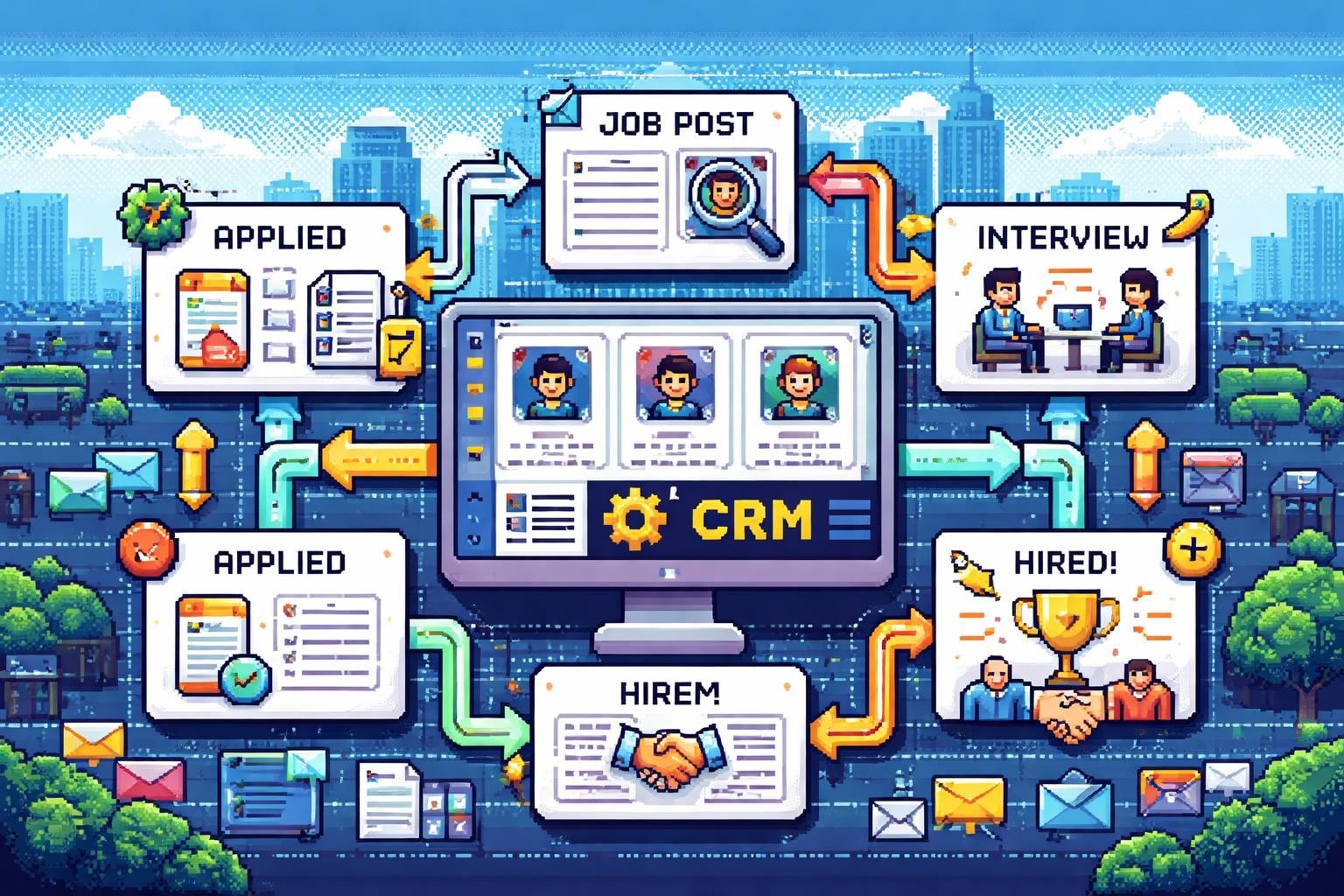
The recruitment software landscape continues to evolve rapidly as agencies seek platforms that streamline hiring workflows, enhance compliance, and improve candidate management. Voyager recruitment software has established itself as a comprehensive solution designed specifically for recruitment agencies and teams managing multiple placements simultaneously. This platform combines traditional applicant tracking capabilities with customer relationship management tools tailored to the unique demands of recruitment professionals. Understanding how voyager recruitment software operates within the modern hiring ecosystem helps agencies determine whether this solution aligns with their operational requirements and growth objectives.
Understanding Voyager Recruitment Software Core Functionality
Voyager recruitment software operates as a specialized CRM system built exclusively for recruitment agencies rather than general hiring departments. The platform focuses on managing both client relationships and candidate pipelines within a unified interface. Recruitment agencies using Voyager Infinity gain access to features designed around the agency workflow rather than corporate HR departments.
The software architecture prioritizes relationship management between three key entities: clients who need placements, candidates seeking opportunities, and the recruitment consultants facilitating these connections. This triangulated approach differs significantly from standard applicant tracking systems that primarily focus on candidate management alone.

Database Management and Candidate Tracking
At its foundation, voyager recruitment software maintains comprehensive databases containing detailed records for candidates, clients, and job orders. The system allows recruiters to store unlimited candidate profiles with attached resumes, interview notes, qualification details, and communication histories. Each profile connects to relevant job orders and client accounts through relational database structures.
The candidate tracking component enables recruiters to monitor application status across multiple concurrent job orders. Consultants can segment candidates by skill sets, experience levels, industry backgrounds, and availability status. Advanced search functionality helps recruiters quickly identify suitable candidates when new positions open.
Job order management within the platform tracks requirements, salary ranges, client preferences, and placement progress. Recruiters maintain visibility into which candidates have been submitted for specific roles, interview scheduling, feedback collection, and placement confirmations. This centralized tracking prevents duplicate submissions and maintains organized workflows across team members.
Compliance and Documentation Features
Voyager recruitment software incorporates extensive compliance management tools particularly valuable for agencies operating under strict regulatory frameworks. The platform supports document management for certifications, licenses, right-to-work verification, and industry-specific credentials. Automated alerts notify recruiters when candidate documents approach expiration dates.
For agencies serving regulated industries such as healthcare, education, or construction, voyager recruitment software provides sector-specific compliance templates. Construction recruitment agencies particularly benefit from specialized workflows managing safety certifications, insurance documentation, and project-specific requirements.
The system maintains audit trails documenting all candidate interactions, document submissions, and approval workflows. This comprehensive record-keeping supports regulatory audits and provides evidence of due diligence in candidate vetting processes. Time-stamped records track who accessed information, what changes occurred, and when communications took place.
Technology Integration and Automation Capabilities
Modern recruitment operations require seamless connections between multiple technology platforms. Voyager recruitment software offers integration capabilities with job boards, email systems, accounting software, and communication tools. These integrations reduce manual data entry and ensure information consistency across platforms.
The platform supports automated job posting distribution to multiple job boards simultaneously. Recruiters create position descriptions once and publish them across numerous channels without repetitive manual posting. This multi-channel distribution increases candidate reach while minimizing administrative overhead.
Email integration synchronizes candidate communications directly within voyager recruitment software profiles. Recruitment consultants send emails from within the platform while maintaining complete communication histories attached to relevant candidate and client records. This centralization ensures team members access complete interaction histories when managing shared accounts.
Mobile Access and Remote Functionality
Recruitment professionals frequently work outside traditional office environments, meeting candidates and visiting client sites. The Voyager Infinity Connect mobile application extends platform functionality to smartphones and tablets. Consultants access candidate databases, update records, schedule interviews, and communicate with clients while traveling.
Mobile functionality includes offline access to critical information, ensuring recruiters maintain productivity without constant internet connectivity. Changes made offline synchronize automatically when network access resumes. This capability proves particularly valuable for consultants conducting on-site candidate interviews or client meetings in locations with limited connectivity.
The mobile interface prioritizes quick information retrieval rather than comprehensive database management. Recruiters can search candidates, review profiles, make brief notes, and initiate communications without navigating complex menu structures. This streamlined approach recognizes the distinct requirements of mobile versus desktop workflows.
Team Collaboration and Performance Management
Recruitment agencies employing multiple consultants require coordination tools preventing duplicate efforts and ensuring accountability. Voyager recruitment software provides team management features allowing supervisors to assign candidates, distribute job orders, and monitor consultant performance. Team-focused functionality enables agencies to scale operations efficiently.
Permission structures control information access based on roles and responsibilities. Senior consultants might access all database records while junior team members see only assigned candidates and clients. This granular control protects sensitive information while maintaining necessary collaboration.
Performance dashboards track individual and team metrics including placements made, candidates submitted, client meetings conducted, and revenue generated. These analytics help management identify top performers, recognize training needs, and forecast agency capacity. Reporting tools export data for further analysis in business intelligence platforms.
Communication Tools and Client Management
Client relationship management extends beyond simple contact databases in voyager recruitment software. The platform tracks client preferences, historical placements, contract terms, and billing arrangements. Recruitment agencies maintain detailed client profiles documenting decision makers, hiring patterns, and organizational structures.
Automated communication workflows support regular client touchpoints without manual intervention. Agencies schedule automated check-ins, share relevant candidate profiles matching stated preferences, and provide market insights demonstrating ongoing value. These systematic communications strengthen client relationships and maintain agency visibility.
The software facilitates candidate presentation formatting, allowing recruiters to create professional submissions highlighting relevant qualifications. Customizable templates ensure consistent branding while reducing time spent on administrative formatting tasks. Client feedback collection tools capture hiring decision rationale, improving future candidate matching accuracy.

AI Integration and Modern Recruitment Technologies
The recruitment technology landscape increasingly incorporates artificial intelligence to enhance efficiency and decision-making quality. While voyager recruitment software provides comprehensive CRM functionality, agencies increasingly evaluate how platforms integrate with emerging AI capabilities. The FAQ section addresses questions about AI integration within the Voyager ecosystem.
Traditional recruitment platforms like Voyager focus on relationship management and process automation rather than intelligent candidate analysis. Agencies seeking AI-powered candidate screening often supplement CRM systems with specialized tools analyzing resumes, ranking applicants, and identifying skill matches automatically.
Modern recruitment workflows increasingly combine comprehensive database management platforms with intelligent screening technologies. This hybrid approach leverages voyager recruitment software strengths in client relationship management while incorporating automated hiring tools that rapidly assess candidate qualifications against position requirements.
Comparing Traditional CRM to AI-Enhanced Solutions
Recruitment agencies face strategic decisions regarding technology investments. Traditional platforms excel at organizing information, maintaining compliance, and facilitating team collaboration. However, these systems require human judgment for candidate evaluation and matching decisions. Recruiters manually review resumes, assess qualifications, and determine submission priorities.
AI-enhanced recruitment approaches automate initial candidate screening through natural language processing and machine learning algorithms. These technologies analyze resume content, extract relevant qualifications, compare candidates against job requirements, and generate ranked shortlists. This automation dramatically reduces time spent on administrative screening tasks.
Agencies evaluating recruitment software comparison factors should consider whether platforms provide both comprehensive management capabilities and intelligent automation. Some organizations maintain separate systems for relationship management and candidate screening, while others seek integrated solutions combining both functionalities.
The distinction between database management and intelligent analysis represents a fundamental consideration in recruitment technology selection. Voyager recruitment software provides robust tools for organizing recruitment operations but relies on consultant expertise for candidate evaluation. Platforms incorporating AI for recruiting automate qualification assessment, potentially reducing time-to-shortlist from hours to minutes.
Pricing Structure and Implementation Considerations
Software acquisition decisions extend beyond feature comparisons to encompass total cost of ownership and implementation complexity. Voyager recruitment software pricing typically follows subscription models based on user counts and feature tiers. Agencies should evaluate whether pricing structures align with their growth trajectories and budget constraints.
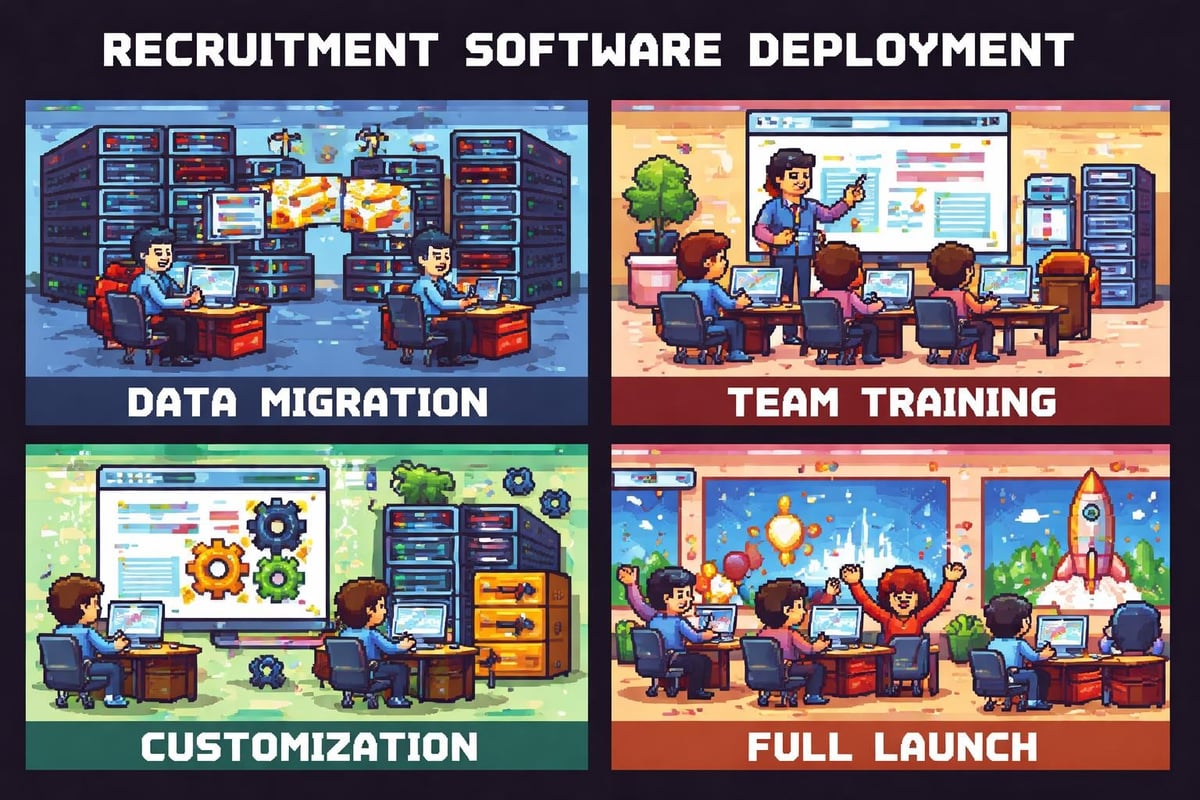
Implementation timelines vary based on data migration requirements, team size, and customization needs. Agencies transitioning from legacy systems must extract candidate databases, client information, and historical placement records. The complexity of this migration directly impacts deployment timelines and potential disruption to ongoing operations.
Training requirements represent another critical implementation factor. Recruitment consultants accustomed to existing workflows require comprehensive onboarding to leverage new platform capabilities effectively. Customer reviews on Trustpilot provide insights into user experiences during implementation and ongoing platform usage.
Support Services and Ongoing Platform Development
Software selection decisions should evaluate vendor support quality and platform evolution trajectories. Voyager emphasizes robust customer service as a differentiating factor beyond pure feature sets. Agencies benefit from responsive technical support, comprehensive training resources, and regular platform updates.
The recruitment software industry evolves continuously as new technologies emerge and hiring practices change. Agencies should assess vendor commitments to ongoing development, feature enhancements, and technology integration. Platforms that stagnate technologically create long-term competitive disadvantages as more advanced alternatives enter the market.
Vendor stability and industry reputation provide additional selection criteria. Recognition by industry organizations such as the Recruitment and Employment Confederation indicates established market presence and professional credibility.
Geographic Considerations and Market-Specific Features
Recruitment regulations, compliance requirements, and market practices vary significantly across geographic regions. Agencies operating internationally require platforms accommodating diverse regulatory frameworks and local market conventions. Voyager recruitment software provides market-specific configurations for regions like Australia, addressing local compliance requirements and industry practices.
Regional variations affect everything from data privacy regulations to mandatory documentation requirements. European agencies must navigate GDPR compliance for candidate data management. Australian recruitment firms face specific licensing requirements and contractor payment regulations. American agencies operate under different legal frameworks regarding background checks and employment verification.
Platform flexibility to accommodate these variations represents a critical evaluation criterion for agencies operating across multiple jurisdictions. Software requiring extensive customization for each market increases implementation complexity and ongoing maintenance requirements. Purpose-built regional configurations streamline deployments and ensure compliance from initial implementation.
Alternative Approaches to Recruitment Technology
The recruitment technology ecosystem offers diverse approaches addressing different operational priorities. Some agencies prioritize comprehensive CRM functionality managing every aspect of recruitment operations. Others emphasize intelligent automation reducing manual screening workloads. Understanding these strategic alternatives helps agencies align technology investments with business objectives.
Agencies handling high application volumes particularly benefit from talent screening software that rapidly filters candidates based on qualification criteria. These platforms reduce recruiter workload by automatically identifying the most promising applicants from large candidate pools. This approach proves especially valuable for agencies serving high-volume hiring clients or popular job categories.
Organizations seeking comprehensive recruitment automation across the entire hiring workflow evaluate platforms combining intelligent screening with workflow management, communication tools, and analytics. This integrated approach eliminates the complexity of managing multiple disconnected systems while ensuring information flows seamlessly between recruitment stages.
The optimal technology configuration depends on specific operational challenges, team capabilities, and strategic priorities. Agencies should honestly assess whether their primary bottleneck involves relationship management, candidate screening efficiency, compliance documentation, or team coordination. Technology investments deliver maximum value when addressing the most significant operational constraints.
Evaluating Feature Priorities for Your Agency
Different recruitment specializations demand distinct platform capabilities. Executive search firms prioritize relationship management tools maintaining extensive client histories and candidate networks. High-volume staffing agencies require rapid screening capabilities processing hundreds of applications daily. Specialist recruiters in technical fields need detailed skill taxonomy management and qualification verification tools.
Agencies should create prioritized requirement lists distinguishing between essential capabilities and desirable enhancements. Essential features represent non-negotiable functionality required for basic operations. Desirable enhancements improve efficiency or user experience but don't fundamentally enable core recruitment activities.
This structured evaluation prevents feature overwhelm where agencies select platforms based on extensive capability lists rather than actual operational requirements. Voyager recruitment software provides comprehensive functionality serving traditional agency workflows, but agencies should verify that core features align with their specific operational models before committing to implementation.
Industry Recognition and Market Position
Understanding vendor market position provides context for software selection decisions. Established platforms demonstrate proven reliability and ongoing viability. Newer entrants might offer innovative capabilities but carry higher risk regarding long-term support and continued development.
Voyager Software maintains an established presence within the recruitment software market, serving agencies across multiple sectors and geographic regions. The company's corporate overview details its history and market positioning within the recruitment technology landscape.
Industry recognition from professional associations and positive user feedback indicate market acceptance and solution maturity. However, agencies should balance established vendor credentials against emerging technologies potentially offering significant competitive advantages. The recruitment software market continues evolving rapidly, and early adoption of breakthrough capabilities can differentiate agency service offerings.
Decision Framework for Recruitment Software Selection
Selecting recruitment software requires systematic evaluation balancing current operational needs against future growth requirements. Agencies should begin by documenting existing workflow pain points, identifying specific inefficiencies requiring technology solutions. This problem-focused approach prevents acquiring sophisticated platforms that don't address actual operational challenges.
Stakeholder input from recruitment consultants, management, compliance officers, and IT personnel ensures comprehensive requirement gathering. Consultants provide frontline perspectives on daily workflow obstacles. Management contributes strategic growth objectives influencing scalability requirements. Compliance teams identify regulatory considerations. IT departments assess integration complexity and technical support requirements.
Demonstration sessions with shortlisted vendors reveal practical usability beyond marketing materials and feature lists. Agencies should request demonstrations using actual job orders and candidate scenarios reflecting their specific recruitment focus. Generic demonstrations often obscure platform limitations that emerge during real-world usage.
Reference checks with existing customers provide unfiltered insights into implementation experiences, ongoing support quality, and platform reliability. Agencies should specifically seek references from organizations with similar operational profiles, candidate volumes, and geographic scope. User communities and review platforms offer additional perspectives on long-term platform satisfaction.
Voyager recruitment software provides comprehensive CRM functionality designed specifically for recruitment agencies managing client relationships and candidate pipelines simultaneously. While the platform excels at organizing recruitment operations and ensuring compliance, agencies processing high application volumes should evaluate whether they need additional intelligent screening capabilities. Klearskill offers AI-powered candidate analysis that ranks applicants automatically, delivering qualified shortlists in moments rather than hours spent on manual resume review.


