
February 19, 2026
We Are Recruitment: Redefining Hiring in 2026
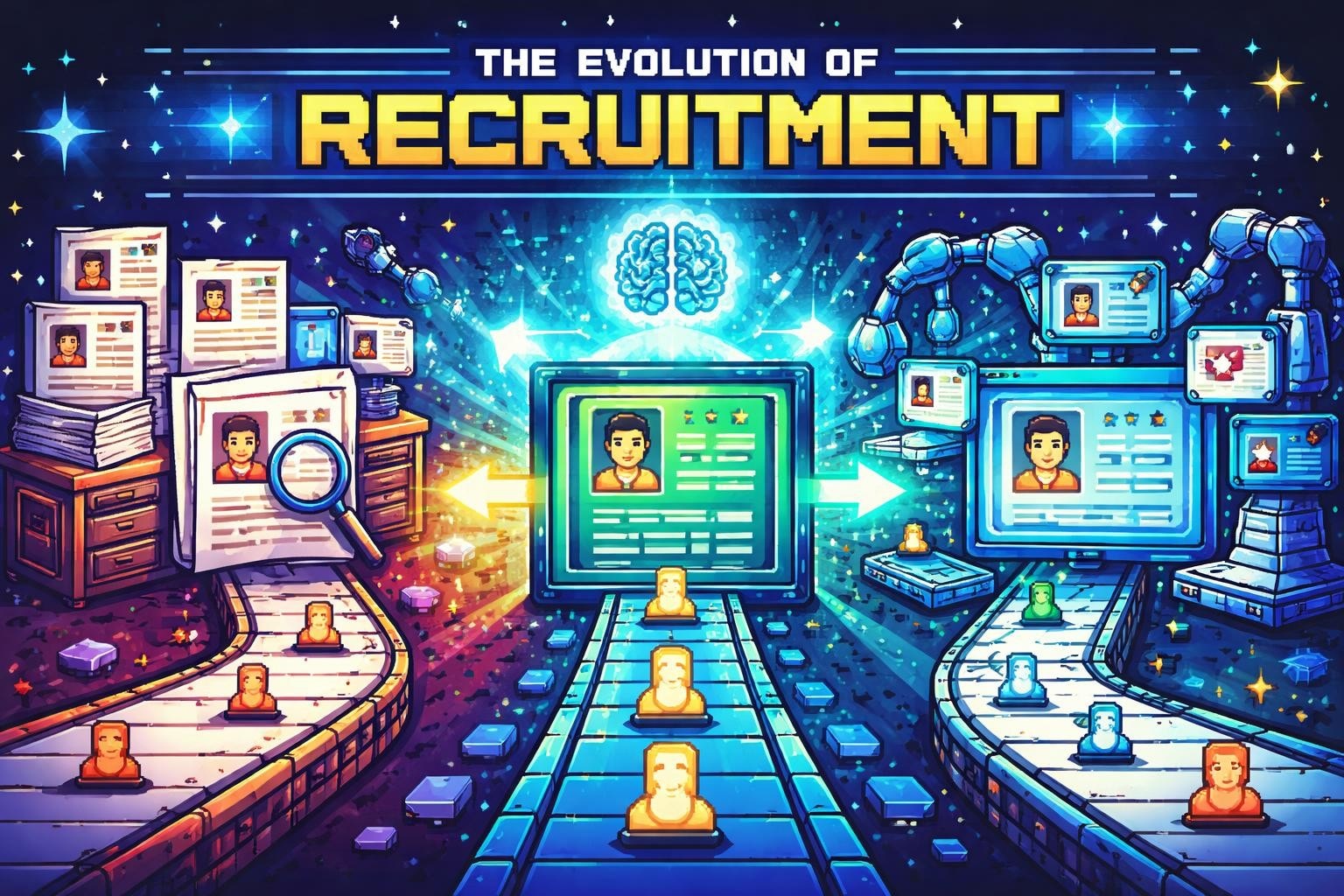
The recruitment landscape has undergone a dramatic transformation over the past decade, fundamentally changing how organizations approach talent acquisition. As we stand in 2026, the phrase "we are recruitment" carries profound weight, representing not just an industry but a rapidly evolving profession that blends human expertise with technological innovation. The modern recruiter faces unprecedented challenges and opportunities, navigating a marketplace where artificial intelligence, skills-based hiring, and data-driven decision making have become standard practices rather than competitive advantages.
The Modern Identity of Recruitment Professionals
When we declare "we are recruitment," we acknowledge a profession that has evolved far beyond simple resume screening and interview scheduling. Today's recruitment specialists serve as strategic partners within organizations, bridging the gap between business objectives and talent capabilities. The role demands a sophisticated understanding of workforce analytics, employer branding, candidate psychology, and technological tools that can process hundreds of applications in minutes rather than weeks.
The contemporary recruiter must balance automation with the irreplaceable human elements of empathy, cultural assessment, and relationship building. This dual nature defines what we are recruitment professionals today: experts who leverage cutting-edge technology while maintaining the personal touch that distinguishes exceptional hiring from merely adequate processes. The integration of artificial intelligence in hiring has fundamentally altered how recruiters allocate their time, shifting focus from administrative tasks to strategic candidate engagement.
Modern recruitment teams face mounting pressure to deliver faster results without compromising quality. Research indicates that recruiter workloads have increased substantially, with many professionals managing 30 to 50 percent more open positions than in previous years. This intensity necessitates technological solutions that can handle volume while preserving the quality standards organizations demand.
Technology as the Foundation of Modern Talent Acquisition
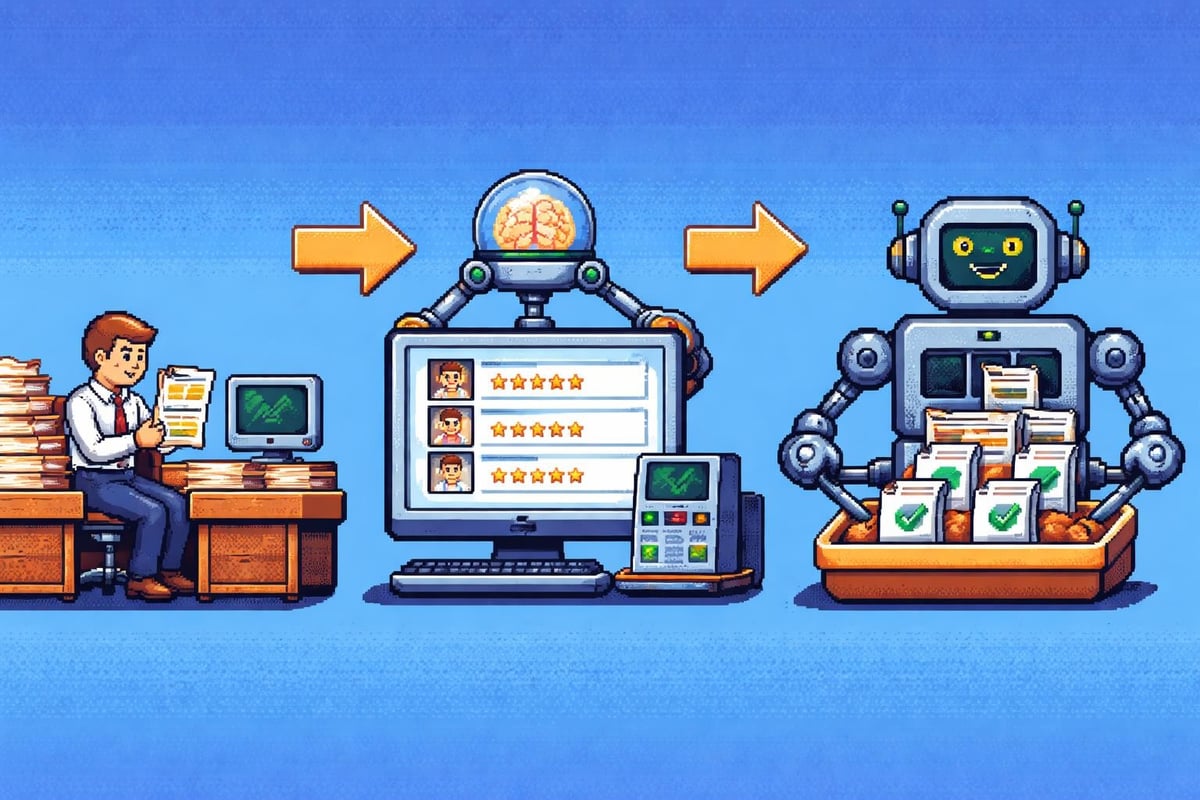
The technological revolution in recruitment represents one of the most significant shifts in how we are recruitment practitioners operate today. Advanced platforms now analyze candidate qualifications with remarkable precision, evaluating skills, experience, and potential fit within seconds. These systems process natural language in resumes, identify patterns across successful hires, and rank candidates based on objective criteria that minimize unconscious bias.
Recruitment automation has emerged as a critical capability for organizations competing in tight talent markets. Automated systems handle initial screening, schedule interviews, send follow-up communications, and maintain candidate databases with minimal manual intervention. This efficiency allows recruiters to focus on activities that require human judgment and interpersonal skills.
The implementation of AI-powered recruitment tools represents more than just technological adoption. It signifies a fundamental reimagining of the recruitment workflow. Rather than spending hours manually reviewing each resume, recruiters now receive ranked shortlists generated through sophisticated algorithms that consider dozens of factors simultaneously. This shift dramatically reduces time to hire while improving the quality of candidate matches.
Integration capabilities have become essential criteria when evaluating recruitment technology. Modern platforms must communicate seamlessly with existing human resources information systems, applicant tracking systems, and communication tools. This interconnected ecosystem ensures data flows efficiently across departments, providing comprehensive visibility into hiring pipelines and talent pools.
Skills-Based Hiring Transforms Candidate Evaluation
The movement toward skills-based hiring represents a paradigm shift in how we are recruitment professionals assess candidate suitability. Traditional emphasis on educational credentials and job titles has given way to detailed evaluation of specific competencies and demonstrated abilities. Research on skill-based hiring trends reveals that organizations increasingly prioritize what candidates can do over where they studied or previously worked.
This approach addresses several longstanding challenges in talent acquisition. Skills-based evaluation expands talent pools by recognizing capable candidates who may have developed expertise through non-traditional pathways. It reduces credential inflation, where employers demand increasingly higher degrees for positions that don't truly require them. Most importantly, it aligns hiring decisions more closely with actual job requirements rather than proxy indicators.
Implementing skills-based hiring requires robust assessment methodologies and technologies capable of evaluating competencies objectively. Talent screening software now incorporates practical assessments, skill tests, and portfolio reviews into automated workflows. These tools provide quantifiable data about candidate capabilities, supplementing traditional interviews with objective performance indicators.
The shift toward competency-based evaluation also transforms how recruiters communicate with candidates. Job descriptions now emphasize required skills and expected outcomes rather than listing educational prerequisites and years of experience. This clarity helps candidates self-assess their fit more accurately, improving application quality and reducing time wasted on mismatched opportunities.
Data-Driven Decision Making in Recruitment
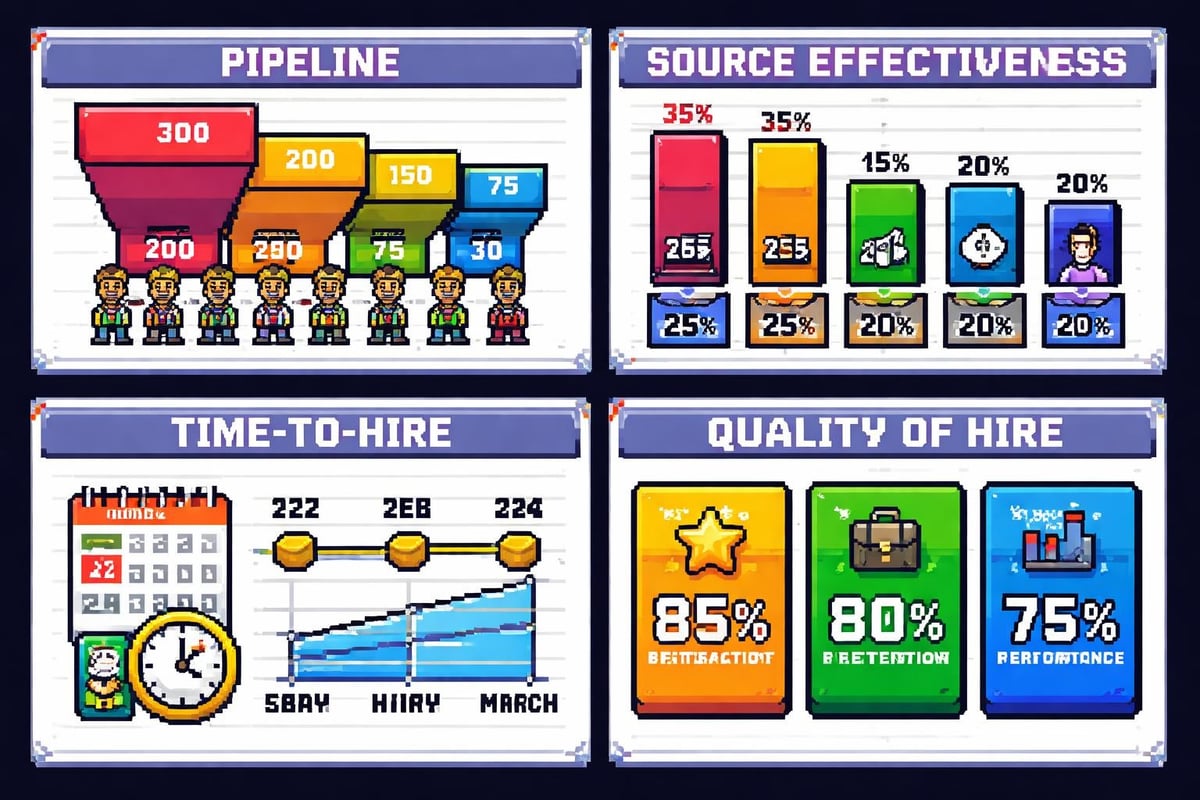
When we say we are recruitment experts in 2026, we embrace a data-centric approach that was unimaginable a decade ago. Every stage of the hiring process now generates valuable information: application sources, screening outcomes, interview performance, time-to-hire metrics, and quality-of-hire assessments. Sophisticated analytics platforms transform this raw data into actionable insights that continuously refine recruitment strategies.
Current staffing industry trends emphasize the mainstream adoption of predictive analytics in talent acquisition. Organizations use historical hiring data to forecast future needs, identify seasonal patterns, and optimize recruitment spending. Predictive models help recruiters anticipate which candidates are most likely to accept offers, perform well in roles, and remain with the company long-term.
The analytical capabilities embedded in modern recruitment systems provide unprecedented transparency into hiring effectiveness. Recruiters can track conversion rates at each funnel stage, identify bottlenecks causing delays, and measure the performance of different sourcing channels. This visibility enables continuous improvement, with data guiding decisions about where to invest recruitment resources for maximum impact.
Metrics have become the universal language through which we are recruitment professionals demonstrate value to organizational leadership. Cost-per-hire, time-to-fill, candidate satisfaction scores, and hiring manager satisfaction ratings provide concrete evidence of recruitment team performance. These quantifiable outcomes help secure budget allocation and justify investments in advanced recruitment technologies.
The Human Element Remains Irreplaceable
Despite technological advances, the statement "we are recruitment" fundamentally acknowledges the profession's human core. Artificial intelligence excels at processing information, identifying patterns, and eliminating obvious mismatches. However, assessing cultural fit, evaluating soft skills, and building relationships with candidates and hiring managers require uniquely human capabilities that technology cannot replicate.
The most successful recruitment strategies in 2026 recognize that technology amplifies human expertise rather than replacing it. Smart recruitment strategies emphasize using automation to handle repetitive tasks while freeing recruiters to focus on relationship building, strategic planning, and nuanced decision making. This division of labor optimizes both efficiency and effectiveness.
Candidate experience has emerged as a critical differentiator in competitive talent markets. Top candidates often receive multiple offers and make decisions based partly on how organizations treat them during the recruitment process. Personalized communication, timely feedback, and respectful interactions require human judgment and empathy. Technology facilitates these touchpoints but cannot generate the authentic connection that influences candidate decisions.
Building trust with hiring managers represents another dimension where human skills prove essential. Recruiters must understand departmental cultures, navigate internal politics, and translate sometimes vague requirements into concrete candidate profiles. These consultative relationships depend on interpersonal skills, business acumen, and the credibility that comes from consistently delivering quality candidates.
Global Talent Pools and Remote Work Dynamics
The expansion of remote work has fundamentally altered the geography of talent acquisition. When we are recruitment professionals state this in 2026, we reference access to global talent pools that transcend traditional location constraints. Organizations now routinely hire across state lines, national borders, and time zones, dramatically expanding the available candidate universe.
Global hiring trends reveal that remote work arrangements have become standard expectations rather than special accommodations. Candidates increasingly prioritize flexibility over proximity to physical offices, and organizations recognize that location-independent hiring opens access to specialized skills that may be scarce locally. This geographic expansion requires recruiters to understand international employment regulations, compensation benchmarks across different markets, and cultural considerations in global teams.
The shift toward distributed workforces introduces new challenges in candidate assessment. Evaluating someone's ability to work independently, communicate effectively in virtual environments, and maintain productivity without direct supervision requires different evaluation criteria than traditional office-based roles. Resume screening software now incorporates indicators of remote work success, identifying candidates with demonstrated experience managing their own schedules and collaborating across digital platforms.
Compensation transparency has become increasingly important in global recruitment contexts. Candidates expect clarity about salary ranges, benefits, and total compensation packages early in the recruitment process. Organizations that provide this information attract higher-quality applicants and reduce time wasted on candidates whose expectations don't align with budgets.
Employer Branding and Candidate Attraction
The declaration that we are recruitment acknowledges our role as ambassadors for organizational brands. In markets where top candidates have multiple options, employer reputation significantly influences application rates and offer acceptance. Recruitment teams now work closely with marketing departments to develop compelling employer value propositions that resonate with target candidate demographics.
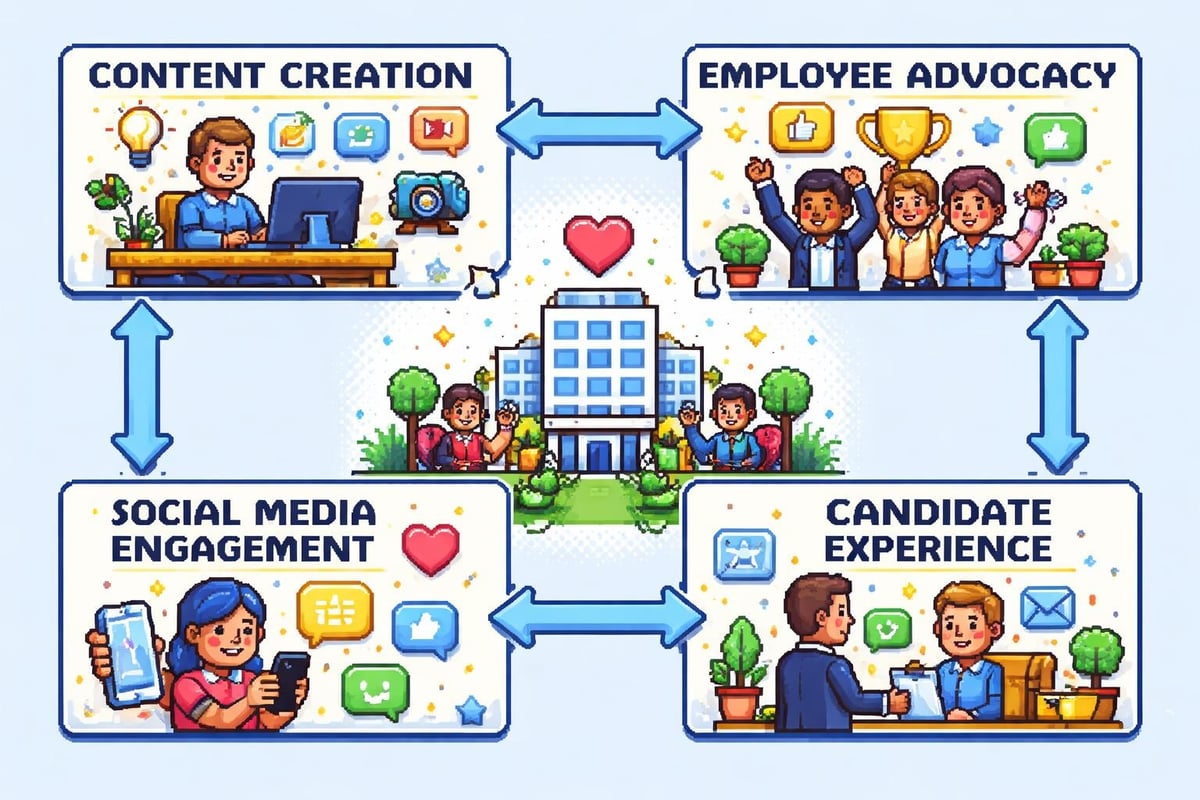
Content marketing has become a standard recruitment tool, with organizations publishing articles, videos, and social media posts that showcase company culture, employee experiences, and career development opportunities. These materials serve dual purposes: attracting candidates who align with organizational values while deterring those who don't fit culturally. This self-selection improves application quality and reduces time spent screening mismatched candidates.
Employee testimonials and authentic workplace stories provide credibility that polished marketing materials cannot match. Recruitment best practices emphasize involving current employees in recruitment efforts, whether through referral programs, participation in recruitment events, or sharing their experiences on professional networks. These genuine perspectives help candidates envision themselves within the organization.
Social media platforms have evolved into primary sourcing channels for passive candidates who aren't actively job searching but might consider compelling opportunities. Recruiters maintain active presences on professional networks, engaging with potential candidates long before specific openings arise. This relationship-building approach creates pipelines of pre-qualified talent that reduce time-to-hire when positions open.
Continuous Learning and Professional Development
To authentically claim we are recruitment experts requires commitment to ongoing skill development. The rapid pace of technological change, evolving candidate expectations, and shifting labor market dynamics demand continuous learning. Professional recruiters invest in understanding emerging tools, staying current with employment law changes, and developing expertise in specialized talent markets.
Industry certifications provide structured pathways for recruitment professional development. These credentials validate expertise in areas such as diversity recruiting, technical talent acquisition, or recruitment analytics. Organizations increasingly value certified recruiters who bring verified knowledge to their roles, recognizing that professional development investments improve hiring outcomes.
Peer learning through professional associations and industry conferences offers valuable opportunities to share best practices and learn from colleagues facing similar challenges. The recruitment community benefits from collaborative knowledge sharing, with practitioners openly discussing both successes and failures. This collective wisdom accelerates individual learning and raises professional standards across the industry.
Experimentation and innovation characterize leading recruitment teams. Rather than rigidly adhering to established processes, forward-thinking organizations test new approaches, measure results, and iterate based on outcomes. This culture of continuous improvement ensures recruitment strategies evolve in response to changing conditions rather than becoming obsolete.
Diversity, Equity, and Inclusion in Hiring
Modern recruitment carries responsibility for advancing organizational diversity, equity, and inclusion objectives. When we are recruitment professionals make this statement in 2026, we acknowledge our role as gatekeepers who profoundly influence workforce composition. Intentional efforts to reduce bias, expand sourcing channels, and implement equitable evaluation processes directly impact organizational diversity outcomes.
AI tools for recruitment offer potential to reduce unconscious bias in initial screening stages. By focusing on objective qualifications and removing identifying information such as names, addresses, or educational institutions, these systems help ensure candidates are evaluated based on relevant criteria rather than demographic characteristics. However, recruitment professionals must remain vigilant about algorithmic bias, regularly auditing technology outputs to ensure they produce equitable results.
Diverse sourcing strategies expand talent pools beyond traditional channels that often yield homogeneous candidate populations. Partnerships with professional organizations serving underrepresented groups, targeted outreach to historically black colleges and universities, and relationships with community organizations create pathways for diverse candidates to learn about opportunities. These proactive efforts acknowledge that equal opportunity requires more than passive acceptance of applications.
Structured interview processes with standardized questions and evaluation rubrics reduce the influence of interviewer bias. When all candidates answer identical questions and receive assessment against consistent criteria, subjective preferences have less impact on hiring decisions. Training hiring managers on inclusive interviewing techniques ensures the entire recruitment team contributes to diversity objectives.
Measuring Success Beyond Speed and Cost
Traditional recruitment metrics focused heavily on time-to-hire and cost-per-hire. While these efficiency measures remain relevant, we are recruitment professionals in 2026 recognize that true success requires broader assessment. Quality-of-hire metrics evaluate whether new employees perform well, integrate successfully into teams, and remain with organizations long enough to justify recruitment investments.
New hire performance ratings, gathered at 90-day and one-year intervals, provide direct feedback about recruitment effectiveness. When consistent patterns emerge showing that candidates from certain sources or selected through particular processes outperform others, recruiters adjust strategies accordingly. This feedback loop connects recruitment activities to business outcomes, demonstrating tangible value.
Retention rates offer another critical success indicator. High turnover among recent hires suggests problems with candidate assessment, unrealistic job previews, or misalignment between candidate expectations and actual role realities. Analyzing exit interview data from recently hired employees who leave provides insights into recruitment process improvements.
Hiring manager satisfaction surveys capture internal customer perspectives on recruitment service quality. These assessments evaluate factors such as candidate quality, communication effectiveness, process efficiency, and recruiter responsiveness. Consistently high satisfaction scores indicate recruitment teams effectively meet organizational needs, while declining scores signal necessary adjustments.
Integration of Recruitment Technology Ecosystems
The assertion that we are recruitment professionals in 2026 encompasses mastery of complex technology ecosystems. Modern recruitment rarely relies on a single platform but instead integrates multiple specialized tools that handle different workflow aspects. Applicant tracking systems provide foundational infrastructure for managing candidate pipelines, while specialized tools address specific needs such as video interviewing, skills assessment, or background verification.
Successful technology integration requires careful planning and change management. Recruiters must understand how data flows between systems, where manual interventions are necessary, and how to troubleshoot common integration issues. Technical proficiency has become a core recruitment competency, with professionals expected to navigate complex software environments confidently.
Vendor selection processes demand thorough evaluation of functionality, scalability, support quality, and total cost of ownership. Organizations often pilot new tools with small user groups before full deployment, gathering feedback and identifying necessary adjustments. This deliberate approach reduces implementation risks and increases adoption rates.
Training investments ensure recruitment teams fully utilize available technology capabilities. Many organizations underutilize powerful features in existing systems simply because users don't know they exist or understand how to apply them. Regular training sessions, updated documentation, and designated power users who serve as internal experts maximize technology return on investment.
Future Outlook for Recruitment Professionals
Looking ahead, the declaration that we are recruitment carries exciting possibilities and ongoing challenges. Technological capabilities will continue expanding, with artificial intelligence becoming more sophisticated in understanding nuanced candidate qualifications and predicting success probabilities. Virtual reality may enable immersive job previews that help candidates assess fit before applying. Blockchain technology could verify credentials and work history instantly, eliminating time-consuming background checks.
The skills required for recruitment excellence will continue evolving. Technical proficiency, data literacy, and change management capabilities will become increasingly essential. However, core human skills such as relationship building, strategic thinking, and cultural assessment will remain irreplaceable differentiators between adequate and exceptional recruiters.
Talent acquisition trends suggest ongoing emphasis on candidate experience, employer branding, and data-driven decision making. Organizations that excel in these areas will maintain competitive advantages in attracting top talent. Those that lag will struggle to fill critical positions, hampering business growth and innovation.
The recruitment profession stands at an inflection point where technology enables unprecedented efficiency while human expertise remains essential for strategic success. Professionals who embrace this duality, continuously developing both technical and interpersonal capabilities, will thrive in the evolving landscape. Those who resist change or fail to develop new competencies will find their relevance diminishing.
Balancing Automation with Personalization
Perhaps the central challenge facing modern recruitment involves maintaining human connection amid increasing automation. When we are recruitment professionals embrace technology, we risk losing the personal touches that make candidates feel valued and respected. Trends in job market competitiveness highlight that top candidates still choose organizations partly based on how recruitment processes make them feel.
Strategic automation focuses on eliminating tedious tasks that provide minimal value while preserving personal interaction at critical decision points. Automated resume screening handles initial filtering, but qualified candidates receive personalized outreach explaining why they're good fits. Scheduling tools eliminate email back-and-forth, but interviews themselves involve genuine human conversation exploring motivations and aspirations.
Communication cadence matters significantly in balancing efficiency with personalization. Candidates appreciate timely updates about their status, even when news is unfavorable. Automated systems can trigger these communications at appropriate intervals, but messages should feel personal rather than robotic. Customization fields that insert candidate names, specific role details, and relevant next steps create this personal feeling within automated frameworks.
The most successful recruitment operations in 2026 achieve seamless integration where candidates cannot distinguish which interactions are automated versus personally managed. This transparency-with-invisibility represents the ideal state: technology handles what it does best while humans provide what only they can offer.
The modern recruitment landscape demands professionals who masterfully blend technological capability with human insight, data-driven decision making with intuitive judgment, and efficiency with genuine relationship building. As we are recruitment practitioners navigate this complex environment in 2026, success requires continuous adaptation and unwavering commitment to connecting exceptional talent with organizations where they'll thrive. Klearskill empowers recruiters to achieve this balance through AI-powered candidate analysis that delivers ranked shortlists in moments, freeing professionals to focus on the strategic and interpersonal aspects that define recruitment excellence.


