
January 12, 2026
You Are Hiring Guide: Expert Insights for 2026 Success

The world of work is transforming rapidly, and if you are hiring in 2026, adapting to new trends is not just an option, it is essential for success. This guide delivers expert insights and a clear, step-by-step approach to help you navigate the evolving recruitment landscape.
You will discover what is changing in how companies find talent, how to define exactly what you need, and how to attract the best people using technology and proven strategies. From optimizing interviews to ensuring seamless onboarding, this guide provides actionable steps for every stage.
Ready to gain a competitive edge? Start your journey to hiring success in 2026 with this comprehensive resource.
Understanding the 2026 Hiring Landscape
The world of recruitment is transforming at breakneck speed. If you want to ensure you are hiring the best talent for 2026, it is essential to understand the forces shaping the industry. This section unpacks the macro trends, technological advances, and evolving candidate expectations that every organization must grasp to succeed.

Remote and hybrid work models have become the norm rather than the exception. In 2026, companies that want to stand out must offer flexible work environments. This shift is not just about convenience. It enables you are hiring teams to access a truly global talent pool, breaking geographic barriers and expanding possibilities for both employers and candidates.
Diversity, equity, and inclusion are no longer optional. Organizations are embedding DEI into every aspect of their recruitment strategy. The expectation for inclusive workplaces is driven by both societal change and business necessity. When you are hiring, prioritizing diversity attracts top talent, sparks innovation, and improves overall performance.
Automation and artificial intelligence are revolutionizing traditional recruitment. According to Gartner, there is a projected 40 percent increase in AI-driven hiring tools by 2026. From resume parsing to predictive analytics, AI is streamlining processes and reducing human bias. For a deeper dive into how technology is transforming recruitment, explore AI in the hiring process. Leveraging these tools ensures you are hiring efficiently, accurately, and competitively.
Candidates in 2026 expect more than a paycheck. They look for roles that offer flexibility, personalized experiences, and alignment with their values. If you are hiring, you need to tailor your approach. Candidates now research your culture, mission, and reputation before applying. Transparent communication and authentic employer branding are critical to attracting the right fit.
Regulatory changes are also shaping recruitment strategies. Data privacy laws are stricter, and new anti-bias legislation requires organizations to audit and adjust their processes. Compliance is not just about avoiding risk. It is about building trust with candidates and fostering a fair hiring environment. Staying current with these regulations is vital when you are hiring for the future.
Leading organizations are already adapting. Multinational companies are investing in digital tools and continuous learning programs for hiring teams. They are building agile processes that allow quick pivots when market conditions or business priorities change. For example, some firms have created cross-functional hiring squads to address evolving skills needs on demand.
Experts agree: agility and continuous learning are now essential competencies for anyone involved in recruitment. In a fast-changing landscape, you are hiring strategies must be data-driven, flexible, and people-centered. By understanding these trends, you position your organization for sustained hiring success in 2026 and beyond.
Defining Your Hiring Needs and Ideal Candidate Profile
In 2026, defining your hiring needs is more than filling a vacancy—it is about future-proofing your team. The "you are hiring" process starts with a clear understanding of your business objectives and the evolving skill sets required to stay competitive. As roles shift and technology advances, workforce planning becomes essential for anticipating gaps and setting priorities. According to Deloitte, 63 percent of companies face challenges with skills mismatches, making it crucial to align hiring with both present and future needs.
Begin by conducting a thorough skills gap analysis. This step allows you to map out the competencies your organization needs to achieve its goals. Involving department leaders and HR ensures that you are hiring based on a unified vision. Use data and analytics to identify trends and forecast demand for emerging roles. With a collaborative approach, you create a strong foundation for the rest of the hiring journey.

Writing Future-Ready Job Descriptions
Crafting effective job descriptions is crucial when you are hiring for the future. Start by outlining the core responsibilities, but go further by emphasizing how the role contributes to long-term company objectives. Highlight opportunities for growth and development to attract candidates who seek purpose and career progression.
Make inclusivity a priority. Use gender-neutral language and remove unnecessary requirements that may discourage qualified applicants. Clearly state remote or hybrid work options, as flexibility remains a top priority for talent in 2026. Reference examples from organizations with high application rates to inspire your approach.
Finally, ensure your descriptions reflect the blend of technical expertise, soft skills, and cultural alignment your company values. By taking this approach when you are hiring, you increase the likelihood of attracting candidates who are not only qualified but also aligned with your organizational mission.
Aligning Stakeholders and Setting Hiring Priorities
Achieving alignment among hiring managers, HR, and executives is essential when you are hiring for critical roles. Start by bringing all stakeholders together to discuss business strategy and workforce requirements. Use structured frameworks to prioritize roles and identify the most urgent skill gaps. This collaborative process ensures resources are focused where they will have the greatest impact.
Real-world scenarios show that misalignment can delay hiring or result in mismatches that affect team performance. By involving cross-functional leaders early, you reduce friction and create shared ownership of outcomes. Leverage data-driven insights to support decision making and adjust priorities as market conditions change.
Continuous communication keeps everyone on track and responsive to new challenges. When you are hiring with this level of alignment, you improve speed, quality, and retention, setting your team up for sustained success.
Sourcing and Attracting Top Talent in a Competitive Market
In 2026, the competition for exceptional talent is fiercer than ever. The way you are hiring has a direct impact on your organization’s capacity for innovation and growth. As the market evolves, simply posting jobs is no longer enough to secure the best candidates.
To succeed, companies are embracing advanced sourcing strategies that go beyond traditional recruitment. Talent mapping helps organizations anticipate future needs, identifying both active and passive candidates who align with business goals. Proactive outreach has become standard, with recruiters engaging prospects long before vacancies arise.
Employee networks are also playing a larger role in talent acquisition. By leveraging the personal and professional connections of current staff, you are hiring with greater reach and authenticity. These networks serve as trusted channels, often surfacing candidates who may not be active job seekers but are open to the right opportunity.
Multi channel job postings remain vital, but success now depends on a sophisticated blend of platforms. Social recruiting has surged, with companies using LinkedIn, niche communities, and even emerging platforms to reach diverse candidate pools. Virtual hiring events have gained traction, offering a convenient and interactive way to connect with global talent.
Networking continues to dominate results, as research shows that 85 percent of jobs are filled through connections. If you are hiring, cultivating relationships within relevant industries can unlock access to candidates who might otherwise be missed. Personalized outreach messages, crafted to speak to an individual’s interests and aspirations, are far more effective than generic invitations.
Passive candidates represent a significant opportunity. These professionals are not actively seeking new roles, yet they often possess the specialized skills and experience your company needs. Engaging this audience requires a compelling employer value proposition and a careful, respectful approach. Sharing stories of your organization’s culture, growth opportunities, and commitment to values can spark interest and prompt a conversation.
Talent communities and alumni networks are invaluable assets for future proofing your recruitment strategy. By maintaining ongoing engagement with potential candidates, you are hiring from a warm pool of individuals who already have a relationship with your brand. Regular updates, thought leadership content, and tailored communication keep these connections strong and top of mind.
Crafting an employer value proposition that resonates is essential. Candidates today are looking for more than a paycheck, they seek alignment with your company’s mission, flexibility, and opportunities for personal development. Showcasing real employee experiences and success stories on digital platforms can build trust and attract like minded talent.
For organizations aiming to refine their approach, reviewing proven candidate sourcing strategies can provide actionable ideas to stay ahead. Leading companies like Google and Salesforce have demonstrated success by blending technology, data, and human insight to identify and engage high caliber talent, even in the most competitive markets.
You are hiring in a market where speed, personalization, and strategic outreach are key. By combining innovative sourcing methods with a compelling employer brand, your organization can consistently attract the right people and secure a lasting competitive advantage.

Optimizing Interviews and Candidate Assessment
In 2026, the effectiveness of your interview and assessment process directly shapes your hiring outcomes. As you are hiring in a rapidly changing landscape, structured and insightful evaluations are more important than ever. Organizations that prioritize fairness, accuracy, and candidate experience are set to outpace competitors.
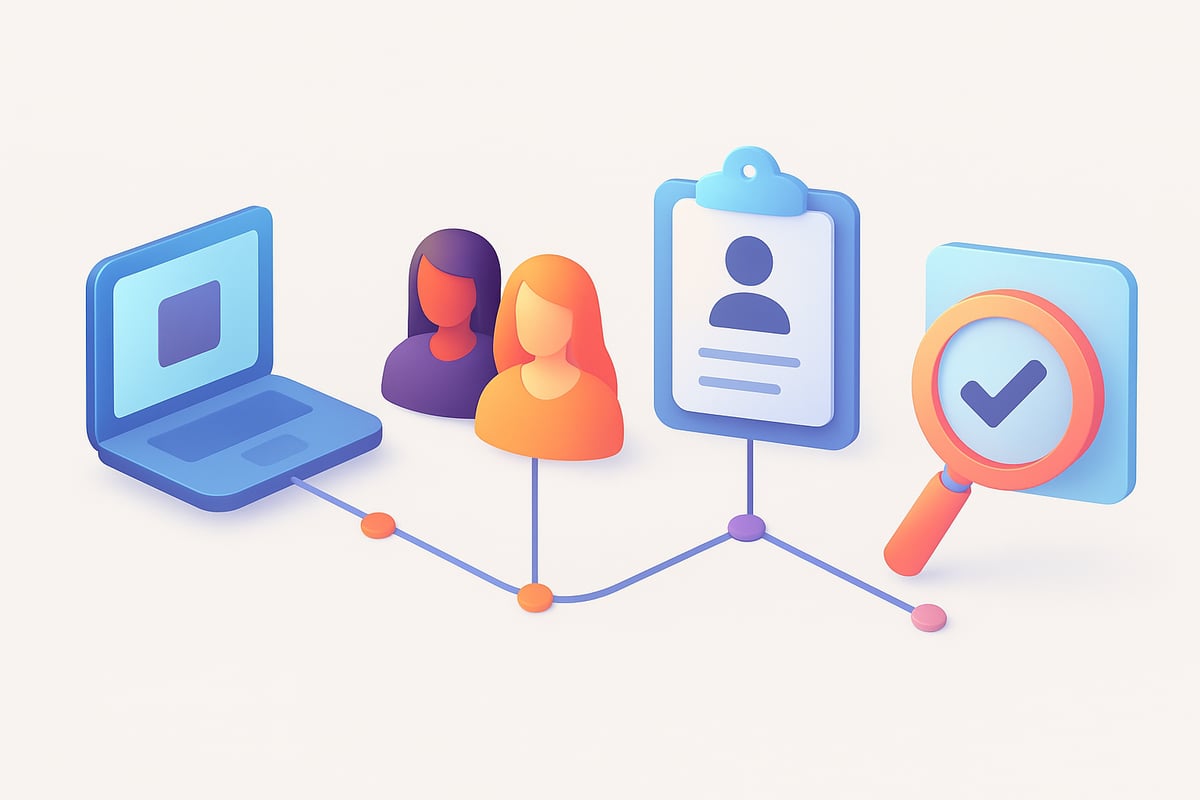
Standardized interviews have become foundational for organizations aiming to improve consistency and reduce bias. By using structured questions and clear scoring rubrics, you are hiring with greater accuracy and fairness. Research from Harvard Business Review in 2023 shows that structured interviews can increase hiring accuracy by 30 percent. This method ensures each candidate is evaluated against the same criteria, minimizing the influence of unconscious preferences and personal subjectivity.
The integration of skills assessments, work samples, and situational judgment tests is now standard practice. When you are hiring for specialized or technical roles, these tools provide a clear, objective measure of real-world ability. Many companies now use digital simulations and project-based tasks to evaluate both technical and soft skills. This approach offers a more holistic view of each candidate's potential and fit within your team.
Virtual interviews and asynchronous video responses are increasingly popular for their flexibility and reach. As you are hiring across geographies, these tools enable access to a wider talent pool. AI-driven assessment platforms help flag potential biases and streamline the evaluation process. According to AI-driven hiring tools statistics 2025, automation in interviews can significantly reduce time to hire and enhance objectivity, while still allowing human oversight in final decisions.
Reducing bias remains a top priority. Advanced interview software now includes features like anonymized candidate profiles and AI-powered analysis of responses. When you are hiring in 2026, leveraging these technologies ensures a more equitable process for every applicant. However, it is vital to review automated recommendations and ensure human input remains central to decision-making.
Balancing automation with human judgment is the hallmark of a modern hiring strategy. While technology accelerates screening and assessment, human intuition is crucial for understanding cultural fit and potential. To create a positive experience while you are hiring, maintain clear communication, provide timely feedback, and respect candidate time. For additional actionable strategies, see How to improve candidate experience, which offers expert guidance on making every interview memorable and fair.
Seamless Onboarding and Retention Strategies for 2026
The first days and weeks after you are hiring someone can determine their success for years to come. In 2026, seamless onboarding is not just a formality, it is a strategic advantage. As organizations compete for global talent, a well-designed onboarding process is vital to ensuring retention and long-term engagement. When you are hiring, how you welcome and support new employees directly impacts their loyalty and performance. Forward-thinking companies now view onboarding as a holistic journey, blending technology, personal connections, and continuous feedback to keep new hires engaged from day one.
Personalizing the Onboarding Journey
Personalization is now the gold standard when you are hiring and onboarding in 2026. Each employee brings unique strengths, goals, and learning styles. Leading organizations tailor onboarding pathways to match individual roles, providing modular training, interactive virtual tours, and customized resources. Pre-boarding initiatives, such as digital welcome kits and early introductions to mentors, help new hires feel connected before their first official day.
Interactive onboarding platforms make it easy to track progress and gather real-time feedback. These platforms adapt to each person’s pace, ensuring support is available when needed most. When you are hiring for hybrid or remote roles, virtual reality and collaborative tools bridge the distance, enabling cultural immersion and meaningful team interaction. Personalized check-ins and ongoing mentorship drive early engagement, making every new employee feel valued and prepared.
Successful onboarding does not stop after the first week. Progressive companies extend support through the first 90 days, using analytics to spot trends and address challenges quickly. When you are hiring, this level of care accelerates integration, reduces turnover, and lays the foundation for lasting success.
Long-Term Engagement and Retention Tactics
Retaining top talent requires more than a strong start. In 2026, organizations that excel at you are hiring focus on continuous development and recognition. Ongoing learning opportunities, from microlearning to leadership programs, empower employees to grow and adapt. Companies with robust learning cultures see up to 50 percent higher retention, proving that investment in growth pays off.
Recognition and feedback are central to long-term engagement. Regular check-ins, peer-to-peer acknowledgments, and transparent career paths foster a sense of belonging and loyalty. Diversity, equity, and inclusion initiatives also play a pivotal role. According to DEI in the job industry statistics 2025, inclusive workplaces see higher job satisfaction and retention rates, making DEI essential when you are hiring for the future.
To measure success, leading companies track retention metrics, collect feedback after each onboarding milestone, and refine their strategies based on employee input. When you are hiring, a seamless blend of technology, personalization, and inclusive practices ensures that top talent not only joins your team but chooses to stay and thrive.
As we’ve explored, staying ahead in 2026’s hiring landscape means leveraging the right mix of strategy, technology, and human insight. If you’re ready to put these expert recommendations into action and experience the benefits of AI-driven recruitment—like instant shortlists, smarter candidate ranking, and a more streamlined process—there’s no better time to try it for yourself. Take the next step toward hiring success and see firsthand how intelligent software can transform your results.
Start free trial


