
February 24, 2026
Evaluating Resumes: A Comprehensive Guide for 2026

Evaluating resumes remains one of the most critical yet challenging tasks in modern recruitment. With the average corporate job opening receiving over 250 applications, recruiters face the daunting task of identifying qualified candidates while avoiding costly hiring mistakes. The traditional approach of manually reviewing each application has become increasingly unsustainable, leading organizations to adopt more sophisticated evaluation methods that balance thoroughness with efficiency. Understanding how to properly assess candidate qualifications through their resumes directly impacts your ability to build high-performing teams and maintain a competitive advantage in talent acquisition.
The Foundation of Effective Resume Evaluation
Successful resume evaluation begins with establishing clear, objective criteria before reviewing any applications. This preparation phase determines whether your screening process will yield quality candidates or waste valuable time on unsuitable applicants.
Creating a detailed job description serves as your roadmap for evaluation. Every requirement listed should translate into specific qualifications you can identify in a resume. Hard skills such as programming languages, certifications, or technical expertise provide concrete checkpoints, while soft skills require more nuanced assessment through accomplishments and responsibilities.
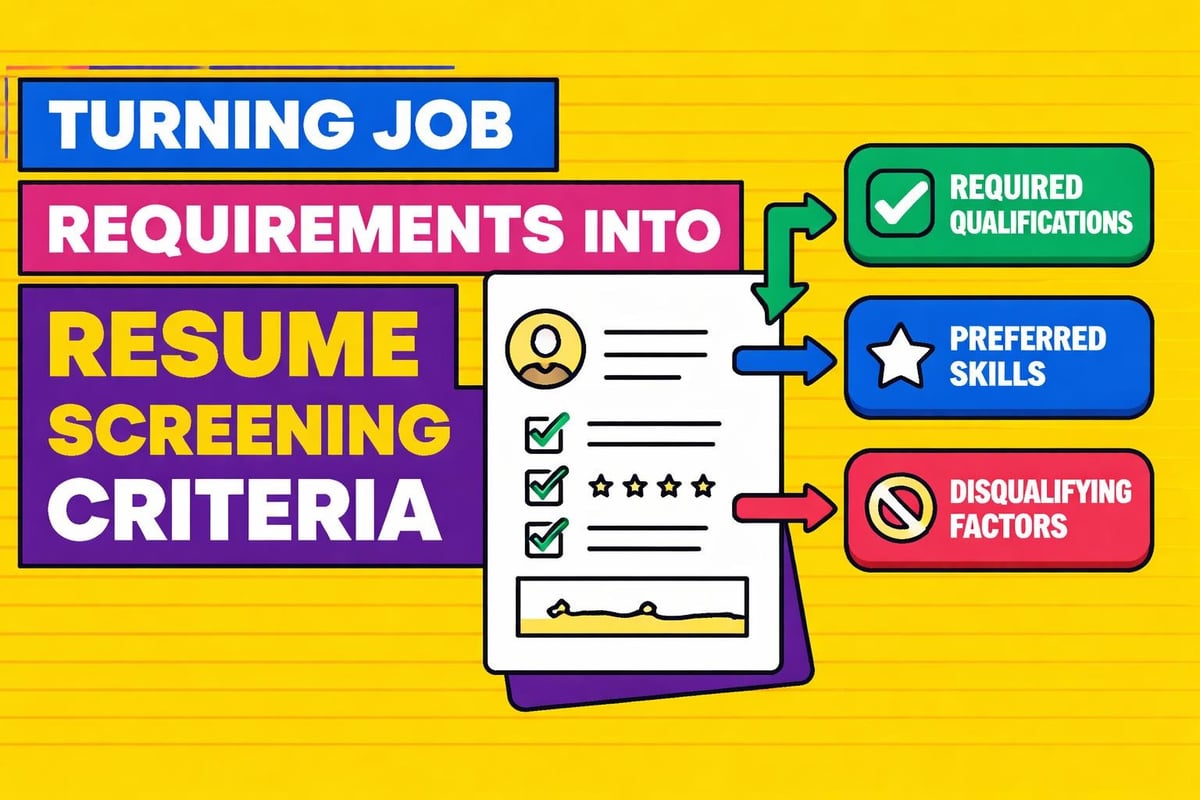
According to comprehensive resume screening guidelines from Business.com, establishing a consistent evaluation methodology prevents unconscious bias and ensures fair candidate comparison. This systematic approach transforms subjective impressions into data-driven decisions.
The evaluation framework should distinguish between must-have qualifications and nice-to-have attributes. Must-have criteria represent non-negotiable requirements such as specific degrees, licenses, or years of experience in particular roles. Nice-to-have attributes add value but shouldn't automatically disqualify otherwise strong candidates.
Core Elements to Assess During Resume Review
When evaluating resumes, certain fundamental elements deserve concentrated attention. These components reveal not just what candidates have done, but how effectively they communicate their value proposition.
Professional experience forms the cornerstone of most resume evaluations. Look beyond job titles to examine actual responsibilities and achievements. Quantifiable results provide the strongest evidence of capability. A candidate who states they "increased sales by 47% over 18 months" demonstrates far more value than one who simply "managed sales operations."
Educational background requires contextual assessment. For entry-level positions, academic credentials carry substantial weight. For senior roles, relevant experience typically outweighs educational pedigree. Consider whether the degree field aligns with job requirements and whether continuing education demonstrates commitment to professional development.
Career progression patterns reveal important insights about ambition and capability. Steady advancement within organizations or increasing responsibility across roles suggests strong performance. Conversely, frequent lateral moves or unexplained employment gaps warrant further investigation during interviews.
Skills sections demand careful scrutiny to separate genuine expertise from keyword stuffing. Cross-reference claimed skills with their application in work history. A candidate listing "project management" should demonstrate actual project leadership in their experience section.
Advanced Evaluation Strategies for 2026
Modern resume evaluation extends beyond basic qualification matching to encompass more sophisticated assessment techniques. These advanced strategies help identify candidates who will thrive in your organizational culture and contribute beyond their job description.
The Municipal Technical Advisory Service recommends using structured scoring systems to maintain consistency across multiple reviewers. Assigning numerical values to different criteria enables objective comparison and reduces decision fatigue when evaluating large applicant pools.
Resume formatting and presentation quality provide subtle clues about candidate professionalism and attention to detail. While content matters most, consistent formatting, proper grammar, and logical organization demonstrate care and communication skills. However, avoid overweighting aesthetic preferences that might disadvantage candidates from different cultural backgrounds or those using various resume formats.
Transferable skills deserve special attention in 2026's evolving workplace. Candidates transitioning between industries or roles may possess valuable capabilities not immediately obvious from their work history. Problem-solving, leadership, and adaptability often transcend specific job functions and predict success in new contexts.
Red flags require balanced assessment rather than automatic disqualification. Employment gaps might reflect legitimate personal circumstances, sabbaticals, or entrepreneurial ventures. Frequent job changes could indicate a dynamic career path in project-based industries. Context matters when interpreting potentially concerning patterns.
Technology Integration in Resume Evaluation
The recruitment landscape has transformed dramatically with artificial intelligence and machine learning capabilities. Organizations can now leverage AI-powered recruitment tools to enhance their evaluation processes without sacrificing human judgment.
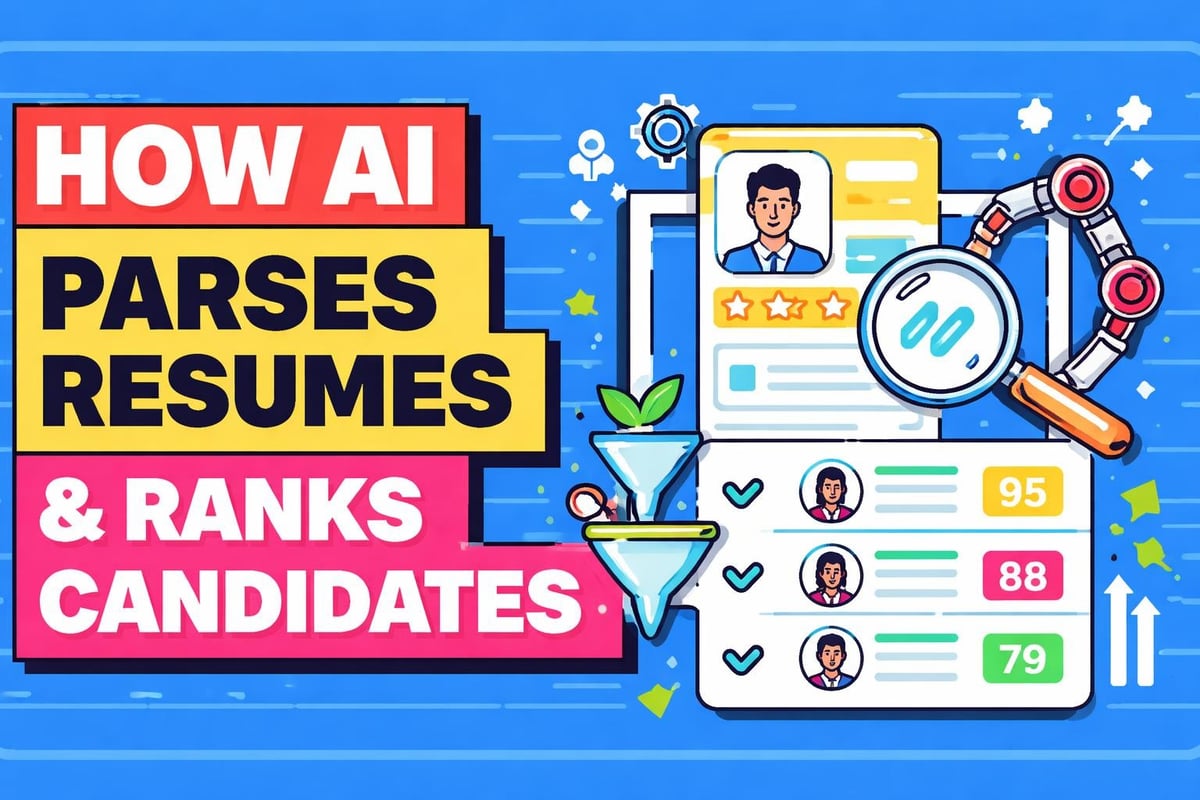
Modern CV screening software processes hundreds of resumes in minutes, identifying candidates who match specified criteria with remarkable accuracy. These systems parse resume content, extract relevant information, and rank applicants based on predetermined parameters.
The technology excels at handling high-volume screening where manual review becomes impractical. Rather than replacing human evaluators, AI functions as a force multiplier that surfaces the most promising candidates for detailed review. This allows recruitment teams to focus their expertise where it matters most: assessing cultural fit, evaluating nuanced qualifications, and conducting meaningful candidate interactions.
Implementation requires thoughtful configuration to avoid perpetuating historical biases. AI resume screening systems learn from training data, meaning they can inadvertently favor certain demographics if not properly calibrated. Regular auditing and diverse training datasets help ensure fair evaluation across all applicant groups.
Integration with existing recruitment workflows matters significantly. Applicant tracking systems should seamlessly incorporate AI evaluation capabilities while maintaining data integrity and candidate privacy. The best implementations enhance rather than complicate existing processes.
Building a Sustainable Evaluation Process
Developing an effective resume evaluation system requires more than just good intentions. Sustainable processes incorporate regular refinement, team alignment, and continuous improvement based on hiring outcomes.
Training evaluators ensures consistency across your organization. Virginia Commonwealth University's Human Resources guidelines emphasize the importance of calibration sessions where multiple reviewers assess the same resumes and discuss their evaluations. These exercises reveal divergent interpretations and align team understanding of quality indicators.
Documentation practices support both continuous improvement and legal compliance. Maintaining clear records of why candidates advanced or were rejected protects against discrimination claims and provides valuable data for refining evaluation criteria. When patterns emerge showing certain criteria don't predict job success, adjustment becomes possible.
Speed matters in competitive talent markets, but rushing evaluation leads to poor hiring decisions. Balance thoroughness with efficiency by allocating appropriate time for each resume based on role seniority and complexity. Recruitment automation handles repetitive tasks, freeing evaluators to focus on substantive assessment.
Feedback loops close the circle between evaluation and hiring outcomes. Track which resume characteristics correlate with successful hires versus early departures or performance issues. This data-driven approach continuously refines your evaluation criteria to better predict candidate success.
Measuring Evaluation Effectiveness
Understanding whether your resume evaluation process delivers results requires tracking specific metrics that connect screening activities to business outcomes. Key performance indicators for recruitment provide visibility into process effectiveness and highlight improvement opportunities.
Time-to-fill measures how quickly positions move from posting to accepted offer. Extended timelines often indicate evaluation bottlenecks or overly restrictive criteria that exclude qualified candidates. Monitoring this metric by role type reveals where evaluation processes need streamlining.
Quality-of-hire represents the ultimate evaluation success measure. This composite metric typically incorporates new hire performance ratings, retention rates, and hiring manager satisfaction. When quality-of-hire declines, examining which resume characteristics led to those hiring decisions helps recalibrate evaluation criteria.
Candidate conversion rates at each funnel stage illuminate evaluation effectiveness. If only 2% of screened candidates receive interviews, criteria might be too restrictive or communication of job requirements unclear. Conversely, if 80% of interviewed candidates came from resume screening, evaluation effectively identifies qualified individuals.
Cost-per-hire incorporates the resources invested in evaluating resumes. Excessive manual review time increases this metric substantially. Comparing recruitment software options helps determine whether technology investment would reduce overall hiring costs while improving results.
Common Pitfalls in Resume Evaluation
Even experienced recruiters fall prey to evaluation errors that compromise hiring quality. Recognizing these common mistakes enables proactive prevention and more objective candidate assessment.
Confirmation bias leads evaluators to favor information supporting initial impressions while discounting contradictory evidence. A prestigious company name or university triggers positive bias, causing reviewers to overlook qualification gaps. Conversely, unfamiliar employers or non-traditional backgrounds may prompt unwarranted skepticism despite strong qualifications.
HR Addict's best practices for CV screening highlight the danger of overemphasizing job titles without examining actual responsibilities. Titles vary dramatically across organizations, with "Manager" encompassing vastly different scopes depending on company size and industry.
Recency bias gives disproportionate weight to recent experience while undervaluing earlier career accomplishments. This particularly disadvantages candidates who took career breaks or shifted into different roles. Comprehensive evaluation considers the entire career trajectory and how diverse experiences contribute to role readiness.
Resume length prejudices create arbitrary standards that may exclude qualified candidates. While conciseness matters, experienced professionals with 15-year careers cannot adequately represent their qualifications in one page. Conversely, entry-level candidates padding thin experience with unnecessary detail shouldn't be favored over those presenting information concisely.
Adapting Evaluation for Different Role Types
Effective evaluating resumes requires tailoring approaches to match role requirements and seniority levels. A one-size-fits-all methodology fails to account for legitimate differences across positions.
Technical roles demand verification of specific competencies through certifications, portfolios, or demonstrated project experience. For software developers, examining GitHub contributions or open-source involvement provides better capability evidence than merely listing programming languages. Similarly, designers should reference portfolio work that showcases actual output quality.
Leadership positions require different evaluation lenses focusing on scope of responsibility, team sizes managed, and strategic impact. Look for evidence of increasing organizational influence, change management experience, and measurable business outcomes from leadership decisions. Interview evaluation forms later supplement resume review with behavioral assessment of leadership capabilities.
Entry-level candidates present unique evaluation challenges with limited work history. Focus shifts toward academic achievements, internships, volunteer experiences, and transferable skills from non-professional contexts. Involvement in relevant student organizations or personal projects demonstrates initiative and genuine interest in the field.

Remote positions require additional consideration of self-direction, communication skills, and previous remote work success. Candidates should demonstrate ability to work independently, manage time effectively, and communicate clearly through written channels. Previous remote experience, while valuable, matters less than evidence of relevant competencies.
Strategic Considerations for High-Volume Hiring
Organizations conducting high-volume recruitment face distinct challenges when evaluating resumes. Scale demands efficiency without sacrificing quality or creating candidate experience problems.
Standardization becomes critical when multiple recruiters evaluate candidates for similar roles. Detailed rubrics ensure consistent application of criteria regardless of who conducts initial screening. Regular calibration sessions maintain alignment as team composition changes or role requirements evolve.
Resume screening software transforms high-volume hiring from overwhelming to manageable. These systems process thousands of applications rapidly, applying consistent criteria without fatigue or bias drift. The technology excels at initial filtering based on clear requirements, creating manageable shortlists for human review.
Batch processing enables efficiency gains when hiring multiple similar roles simultaneously. Rather than evaluating each requisition separately, review all applications for related positions together to identify candidates potentially suitable for multiple openings. This approach maximizes the value extracted from each application received.
Communication automation maintains candidate engagement during extended evaluation periods. Acknowledgment emails, status updates, and rejection notifications should deploy automatically based on evaluation outcomes. This preserves employer brand while allowing recruiters to focus on assessment rather than administrative communication.
Evaluating resumes effectively requires balancing objective criteria with nuanced judgment, leveraging technology while maintaining human insight, and continuously refining processes based on hiring outcomes. The strategies outlined provide a comprehensive framework for transforming resume screening from a time-consuming bottleneck into a competitive advantage that consistently identifies top talent. Klearskill delivers AI-powered resume analysis that ranks candidates instantly, giving your recruitment team a qualified shortlist in moments rather than days, allowing you to focus on what matters most: engaging with the right candidates.


