
March 4, 2026
Modern Hiring Practices: Building Stronger Teams in 2026
Organizations face unprecedented challenges in attracting and retaining top talent. The methods companies use to identify, evaluate, and onboard new employees have evolved dramatically over the past decade, driven by technological advancement, changing workforce expectations, and the growing recognition that traditional approaches often fail to identify the best candidates. Modern hiring practices now blend artificial intelligence with human judgment, creating more efficient and equitable systems that benefit both employers and job seekers. Understanding these contemporary approaches is essential for any organization seeking to build competitive teams in today's marketplace.
The Foundation of Effective Recruitment Strategies
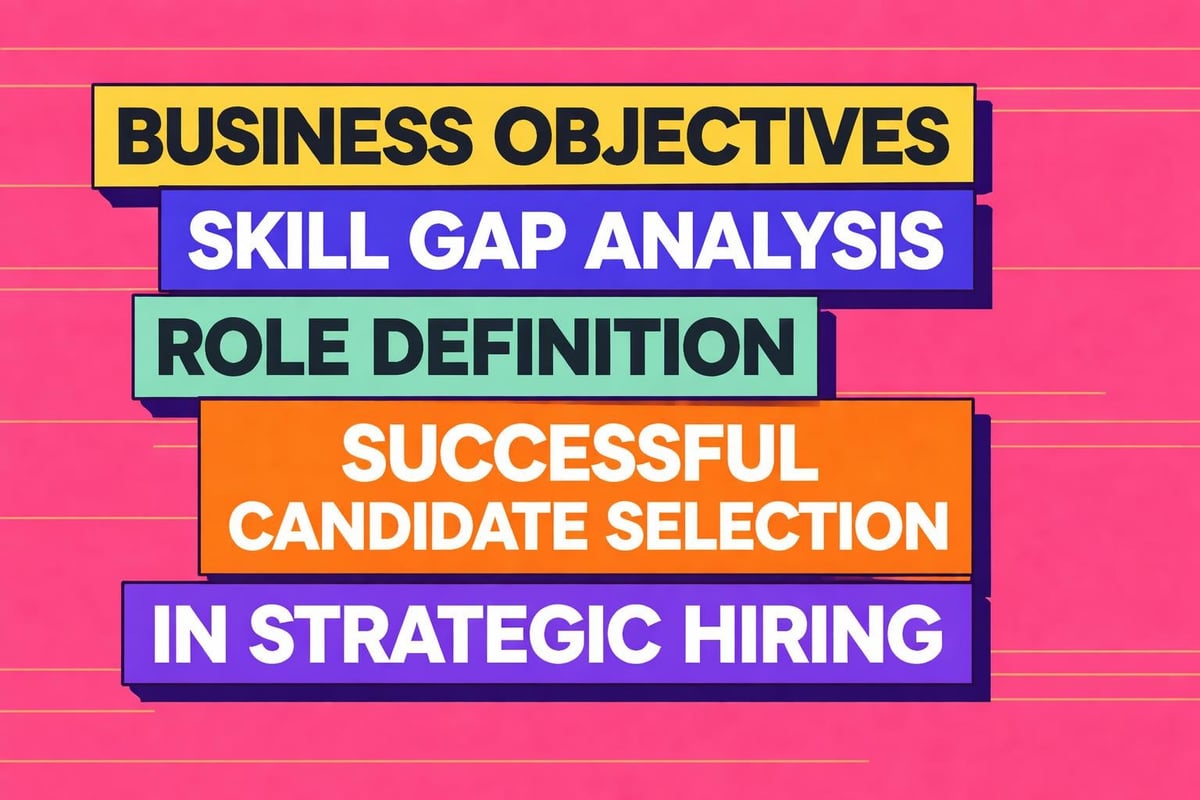
Strong hiring practices begin with clear workforce planning and role definition. Before posting a single job advertisement, successful organizations conduct thorough analyses of their current team composition, skill gaps, and future business objectives. This strategic approach ensures that each new hire contributes meaningfully to organizational goals rather than simply filling vacant positions.
Job descriptions serve as the cornerstone of any recruitment effort. Well-crafted descriptions outline specific responsibilities, required competencies, and expected outcomes. They also communicate company culture and values, helping candidates self-select based on alignment with organizational principles. Companies that invest time in developing detailed, accurate job descriptions experience higher application quality and reduced time-to-hire metrics.
Compensation benchmarking represents another critical element. Organizations must research market rates for similar positions within their industry and geographic region. Competitive salary ranges attract stronger candidate pools, while transparency about compensation builds trust with potential employees from the initial contact.
Technology Transformation in Modern Recruitment
The integration of artificial intelligence into recruitment workflows has fundamentally changed how organizations process candidate information. AI-powered recruitment tools analyze thousands of resumes in minutes, identifying patterns and qualifications that align with job requirements. This technological shift addresses one of recruitment's most persistent challenges: the time required to review large applicant pools.
Research on bias in algorithmic hiring systems highlights both opportunities and concerns. While AI can reduce certain forms of human bias by focusing solely on qualifications and experience, algorithms may perpetuate existing biases if trained on historical data that reflects discriminatory patterns. Organizations implementing AI-driven hiring practices must regularly audit their systems for fairness and accuracy.
Resume screening software has become particularly valuable for high-volume recruitment scenarios. These systems parse candidate applications, extract relevant information, and rank applicants based on predetermined criteria. The efficiency gains are substantial, with some organizations reducing initial screening time by more than 80 percent. However, resume screening software works best when combined with human oversight to catch nuances that automated systems might miss.
Natural language processing capabilities continue to advance, enabling recruitment platforms to understand context and intent within candidate communications. These systems can identify transferable skills, recognize non-traditional career paths, and flag promising candidates who might not match every listed requirement but demonstrate strong potential.
Structured Interview Methodologies
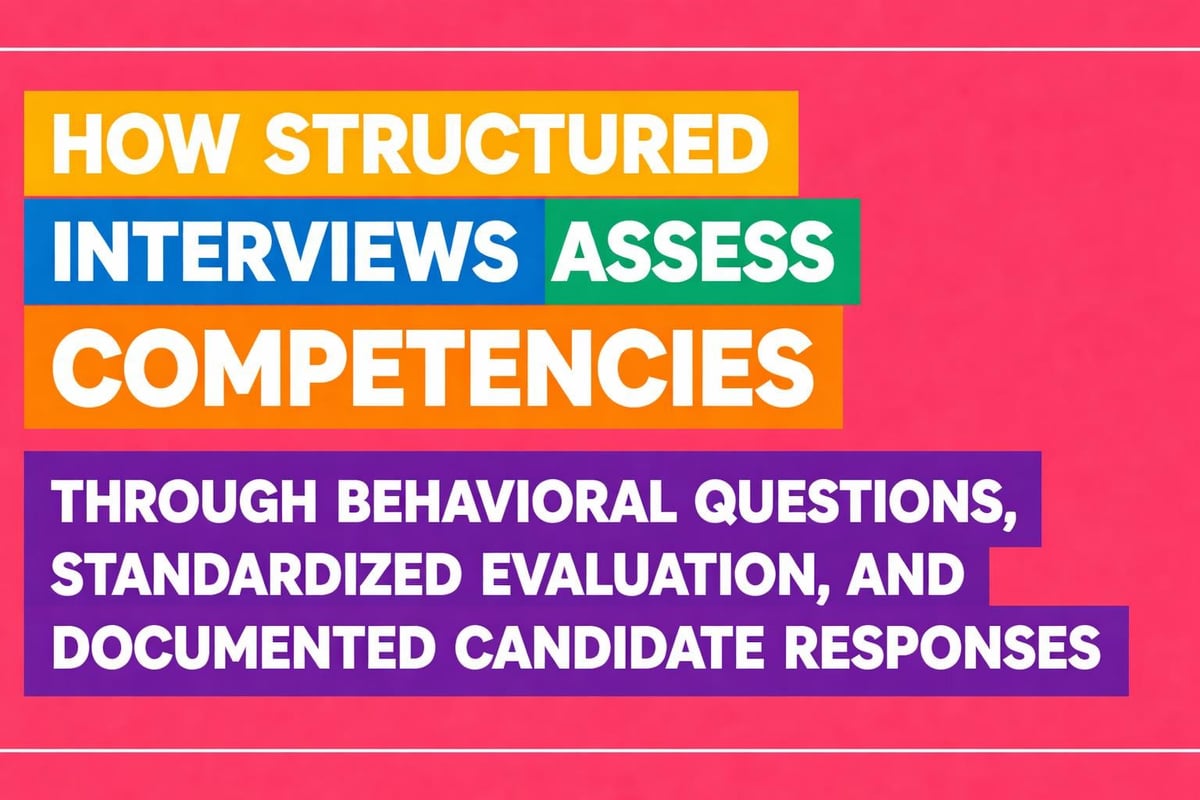
Moving beyond resume review, the interview stage requires equally rigorous structure. Companies with effective hiring practices utilize standardized question sets that probe specific competencies required for success in the role. Competency-based recruitment focuses on behavioral examples rather than hypothetical scenarios, providing concrete evidence of how candidates have handled relevant situations in the past.
Structured interviews reduce variability between interviewers and create more objective evaluation criteria. Each candidate receives identical questions, allowing for direct comparison of responses. Interview panels should include diverse perspectives, bringing together team members who will work directly with the new hire, cross-functional partners, and leadership representatives.
Documentation throughout the interview process proves essential for legal compliance and quality decision-making. Interview evaluation forms provide standardized frameworks for capturing interviewer impressions, specific examples shared by candidates, and ratings across predetermined criteria. These records support data-driven hiring decisions and protect organizations from potential discrimination claims.
Video interviewing has become standard practice, particularly for initial screening rounds. Asynchronous video interviews allow candidates to respond to pre-recorded questions on their own schedule, while live video calls facilitate real-time conversation regardless of geographic location. Both formats require thoughtful implementation to ensure equitable experiences for all candidates.
Internal Mobility and External Recruitment Balance
Organizations often overlook their most valuable talent source: current employees. Research on internal versus external hiring decisions demonstrates that internal candidates typically require less onboarding time, possess institutional knowledge, and demonstrate cultural alignment. Creating clear pathways for internal advancement strengthens retention while reducing recruitment costs.
Internal hiring practices should mirror the rigor applied to external candidates. Posting positions internally before external advertising signals commitment to employee development. Internal applicants deserve structured interviews and objective evaluation, even when hiring managers already know their work. This approach maintains process integrity and ensures the best candidate receives the offer.
External recruitment brings fresh perspectives, new skills, and diverse experiences that can catalyze innovation. The decision between internal promotion and external hire depends on specific role requirements, organizational maturity, and strategic objectives. Fast-growing companies often require external talent to scale quickly, while established organizations may prioritize internal development to preserve culture.
Succession planning integrates both approaches by identifying high-potential internal candidates while maintaining awareness of external market conditions. These programs prepare employees for future leadership roles through targeted development, creating bench strength that reduces urgency when positions become vacant.
Diversity, Equity, and Inclusion Considerations
Modern hiring practices must actively address systemic barriers that have historically limited opportunities for underrepresented groups. Blind resume review, where identifying information such as names and graduation dates are removed, helps reduce unconscious bias during initial screening. Some organizations extend this practice to early interview stages, focusing solely on skills and experience.
Studies examining public perceptions of hiring algorithms reveal complex attitudes toward automated decision-making in recruitment. While some candidates appreciate the potential for reduced bias, others express concern about algorithmic fairness and transparency. Organizations should communicate clearly about how technology supports rather than replaces human judgment in their hiring processes.
Diverse interview panels expose candidates to multiple perspectives and reduce the impact of individual biases. When panel members represent different backgrounds, departments, and seniority levels, evaluation becomes more comprehensive and equitable. Training interviewers on inclusive questioning techniques and bias recognition further strengthens this approach.
Partnerships with organizations serving underrepresented communities expand candidate pipelines beyond traditional sources. Professional associations, university programs, and workforce development initiatives connect employers with talented individuals who might not find opportunities through conventional channels. These relationships require genuine commitment and ongoing investment to yield meaningful results.
Candidate Experience as Competitive Advantage
Every interaction during the recruitment process shapes candidate perceptions of the organization. Companies with sophisticated hiring practices recognize that even rejected applicants influence employer brand through their networks and online reviews. Creating positive experiences throughout the hiring journey builds reputation and strengthens future recruitment efforts.
Communication frequency and transparency significantly impact candidate satisfaction. Regular updates about application status, clear timelines for next steps, and prompt responses to questions demonstrate respect for candidates' time and interest. Automated systems can handle routine communications while flagging situations requiring personalized attention.
The application process itself should balance thoroughness with efficiency. Lengthy forms requesting information already present on resumes frustrate candidates and increase abandonment rates. Mobile-optimized application systems accommodate the growing number of job seekers who search and apply via smartphones. Testing the candidate experience from initial job posting discovery through final decision communication reveals friction points that may deter qualified applicants.
Feedback delivery, particularly for candidates who progress through multiple interview rounds, provides valuable development opportunities even when the outcome is rejection. Brief, constructive insights about why a candidate wasn't selected help maintain positive relationships and potentially create future opportunities as organizational needs evolve.
Metrics and Continuous Improvement
Data-driven hiring practices rely on consistent measurement of recruitment effectiveness. Time-to-hire tracks the duration from job posting to accepted offer, highlighting process bottlenecks and enabling realistic timeline expectations. Quality-of-hire metrics, though more complex to calculate, assess new employee performance and retention rates to evaluate selection accuracy.
Source effectiveness analysis reveals which recruitment channels generate the highest-quality candidates. Job boards, employee referrals, social media, recruitment agencies, and direct sourcing each contribute differently to applicant pools. Organizations should track not just application volume but conversion rates through each hiring stage by source. Resources can then shift toward the most productive channels.
Offer acceptance rates indicate how well the organization positions itself during the recruitment process. Low acceptance rates may signal compensation misalignment, poor candidate experience, or inadequate role clarity. Exit interviews with candidates who decline offers provide specific insights for improvement.
Diversity metrics throughout the recruitment funnel expose potential barriers at different stages. Comparing applicant demographics to interview participant demographics to final hire demographics reveals where representation narrows, guiding targeted interventions. Regular reporting and executive accountability ensure these metrics drive meaningful action.
The Role of Professional Support
While organizations build internal recruitment capabilities, external expertise can accelerate hiring success. Professional CV writers, such as John Logan Consulting and Mentoring, help candidates present their qualifications effectively, creating documents that both human recruiters and automated systems can easily evaluate. When candidates submit polished, well-structured applications, recruiters spend less time deciphering unclear information and more time assessing actual fit.
Recruitment process outsourcing partners provide specialized expertise for specific hiring challenges, whether executive search, high-volume hourly recruitment, or technical specialist placement. These relationships work best when external partners understand organizational culture and receive clear communication about role requirements and evaluation criteria.
Consultants specializing in hiring practices assessment can audit existing processes, identify improvement opportunities, and recommend evidence-based solutions. Third-party perspective often reveals blind spots that internal teams overlook due to familiarity with current systems.
Legal Compliance and Risk Management
Employment law governs numerous aspects of hiring practices, from job advertisement language to interview questions to background check procedures. Discrimination based on protected characteristics including race, gender, age, disability, and religion violates federal law, with many jurisdictions adding additional protected categories. Every element of the recruitment process should undergo legal review to ensure compliance.
Documentation serves as the primary defense against discrimination claims. Detailed records showing objective evaluation criteria, consistent application of standards, and legitimate business reasons for hiring decisions protect organizations from liability. Hiring managers require training on both legal requirements and company policies to maintain compliant practices.
Background checks, reference verification, and drug testing must follow specific procedures including candidate authorization and adverse action notification. The Fair Credit Reporting Act regulates how organizations use consumer reports in employment decisions, requiring specific disclosures and candidate rights.
Accommodation requests from candidates with disabilities trigger legal obligations under the Americans with Disabilities Act. Organizations must engage in interactive processes to identify reasonable modifications to application procedures, interview formats, or job functions that enable qualified individuals to compete fairly.
Integration of Recruitment Technology Stacks
Modern recruitment infrastructure typically combines multiple specialized tools. Applicant tracking systems serve as the central hub, managing candidate data, workflow automation, and compliance documentation. These platforms integrate with job boards for posting distribution, assessment tools for skills evaluation, and scheduling systems for interview coordination.
Recruiting automation tools handle repetitive tasks such as acknowledgment emails, interview reminders, and status updates. This automation frees recruiters to focus on relationship building and strategic decision-making rather than administrative work. However, automation should enhance rather than replace human interaction at critical decision points.
Research on biases in AI-driven recruitment emphasizes the importance of transparency and auditing in algorithmic systems. Organizations implementing AI tools should understand how algorithms make decisions, regularly test for disparate impact across demographic groups, and maintain human oversight of final hiring decisions.
Integration capabilities determine technology stack effectiveness. When systems share data seamlessly, recruiters avoid duplicate data entry and can access comprehensive candidate information from a single interface. API connections between platforms enable this integration, though implementation requires technical expertise and ongoing maintenance.
Effective hiring practices in 2026 combine technological efficiency with human insight, creating systems that identify strong candidates quickly while maintaining fairness and positive experiences. Organizations that invest in structured processes, leverage appropriate technology, and continuously refine their approaches based on data build competitive advantages through superior talent acquisition. Klearskill helps recruitment teams implement these modern practices by using AI to analyze candidate CVs and deliver ranked shortlists in moments, enabling faster, more informed hiring decisions that strengthen your organization.


